The NHS Waiting List Lie: Why Doubling Down on Neighbourhood Centres Won't Fix the Crisis
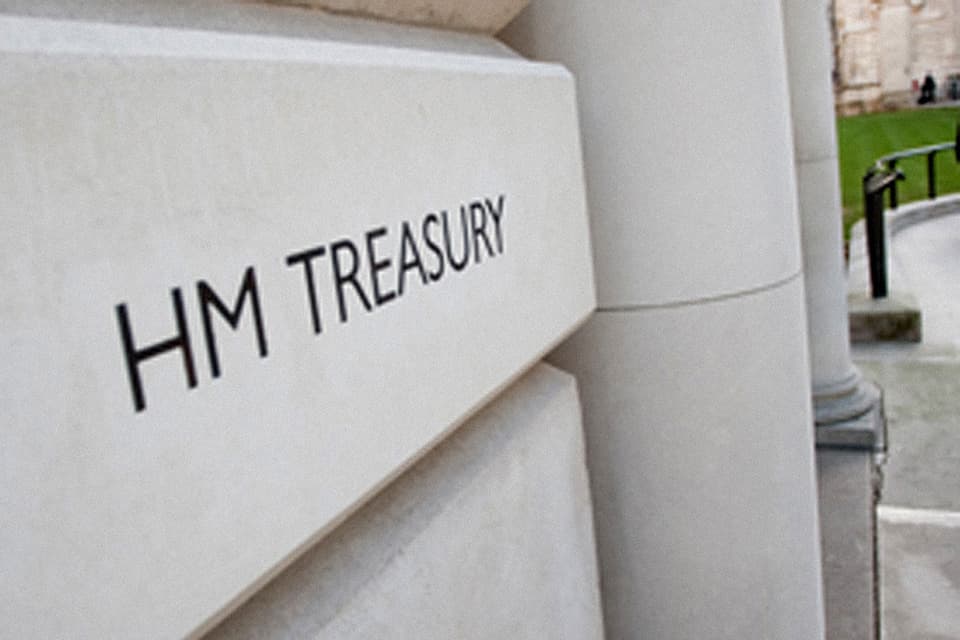
The Chancellor's plan to slash NHS waiting times via new Neighbourhood Health Centres hides a deeper structural failure.
Key Takeaways
- •The focus on Neighbourhood Centres distracts from the core issue: specialist capacity shortages.
- •The policy risks accelerating slow privatization by contracting out new local services.
- •Expect short-term gains in primary care metrics, but the acute waiting list backlog will likely worsen.
- •This is a political strategy to decentralize accountability rather than a structural fix for specialist care.
The NHS Waiting List Lie: Why Doubling Down on Neighbourhood Centres Won't Fix the Crisis
The headlines scream progress: the Chancellor is set to **"double down on the drive to cut NHS waiting times"** through the aggressive rollout of new Neighbourhood Health Centres. This is the political narrative we are fed—a clean, localized solution to a sprawling, systemic catastrophe. But for the millions trapped in agonizing NHS waiting lists, this announcement isn't a lifeline; it’s a distraction. The real story is about **NHS funding models** and the dangerous, slow-burn privatization masquerading as community care.
The Unspoken Truth: Decentralization as Diversion
Who truly wins when the focus shifts to hyper-local 'Neighbourhood Health Centres'? Not the patient stuck waiting 18 months for essential surgery. The winners are the private sector partners who will inevitably be contracted to run these shiny new outposts, and the Treasury, which can claim a win on *primary* care metrics while acute services continue to crumble.
This isn't about efficiency; it's about **decentralization**. By pushing more primary and diagnostic work into these new hubs, the government is attempting to offload pressure from overstretched A&E departments and specialist hospitals. It’s a classic policy sleight of hand: fix the symptoms at the local level while the core illness—chronic underinvestment in specialist capacity and staffing—is ignored. The term **NHS waiting times** has become so normalized that politicians feel comfortable applying superficial band-aids.
Deep Analysis: The Illusion of Local Access
Neighbourhood Centres promise accessibility, but accessibility to what? Minor ailments? Blood tests? While these services are useful, they do not address the core bottleneck: specialist consultant time and surgical theatres. If a patient needs an MRI, and the local hub can order it, but the queue for the MRI machine is still six months long, what has fundamentally changed? Nothing, except perhaps the administrative pathway.
This strategy fundamentally misunderstands the nature of the crisis. The crisis isn't a lack of local GPs; it's a lack of capital investment in high-acuity care infrastructure. Furthermore, we must question the sustainability. Building these centres requires upfront capital—money that could have been spent immediately boosting retention bonuses or increasing theatre time in existing hospitals. This is a long-term infrastructure play when the system needs an immediate transfusion. For context on the scale of the crisis, look at the historical spending patterns affecting **UK healthcare reform** [Reuters analysis].
What Happens Next? The Prediction
The rollout of Neighbourhood Health Centres will initially show positive, short-term data improvements regarding minor pathway breaches. Expect significant PR fanfare around these 'success stories.' However, by 2026, we will see a clear bifurcation. Patients with minor issues will be seen faster. But the specialist backlog—the true measure of NHS health—will have deepened, perhaps even exceeding current records, because the underlying specialist capacity issue remains unaddressed. The government will pivot the narrative, claiming success in community care while quietly setting the stage for further outsourcing of complex procedures to private providers to manage the remaining specialist backlog. This is the inevitable trajectory of underfunding the core system while funding attractive, peripheral projects.
The Bottom Line
This policy is not about curing the NHS; it’s about managing public perception of the disease. It shifts accountability downward to the local level, away from central government responsibility for long-term workforce planning and capital budgets. If you are waiting for complex care, these new centres are white noise. The real fight remains in the hospitals, and that fight is currently being lost due to resource starvation. For a deeper dive into the economics of public services, see analysis on [Nuffield Trust].
Gallery

Frequently Asked Questions
What is the main criticism of the new Neighbourhood Health Centres plan in the UK press currently (besides this analysis)?
How much money is being allocated specifically to cut NHS waiting times through these new centres?
What is the long-term impact of decentralizing primary care on hospital funding?
What are the current record highs for NHS waiting lists in the UK?
Related News
The Silent Power Play: Why Wisconsin's Gender Care Halt Isn't About Kids, It's About the Bottom Line
The sudden halt to pediatric gender-affirming care by major Wisconsin health systems is more than a policy shift; it’s a calculated retreat from liability and the new frontier of medical risk management.

RFK Jr.'s Meat Mandate: The Hidden Political Play Behind His High-Fat Diet Crusade
Forget kale smoothies. RFK Jr.'s radical emphasis on red meat and full-fat dairy isn't just a diet choice; it's a calculated political strike against Big Food and public health orthodoxy.

The Hidden Cost of 'Healthy America': Who Really Profits From the New US Food Pyramid?
The US is rewriting its **dietary guidelines**. Unpacking the political theater behind the 'Make America Healthy Again' movement and who stands to gain from this **nutrition** shift.
