RFK Jr.'s Meat Mandate: The Hidden Political Play Behind His High-Fat Diet Crusade

Forget kale smoothies. RFK Jr.'s radical emphasis on red meat and full-fat dairy isn't just a diet choice; it's a calculated political strike against Big Food and public health orthodoxy.
Key Takeaways
- •RFK Jr.'s diet promotion is a political strategy targeting distrust in official health advice.
- •The emphasis on red meat and full-fat dairy directly challenges established low-fat, processed food paradigms.
- •This dietary stance serves as a potent cultural signal to anti-establishment voters.
- •Food policy is rapidly becoming a central, contentious issue in American political discourse.
The wellness world is having an aneurysm. While Silicon Valley preaches intermittent fasting and lab-grown proteins, Robert F. Kennedy Jr. is leading a dietary counter-revolution, championing the very foods the establishment declared toxic: **red meat** and full-fat dairy. This isn't merely a quirky candidate preference; it’s a strategic political maneuver designed to ignite a cultural war.
The Hook: When Politics Swallows Nutrition Science
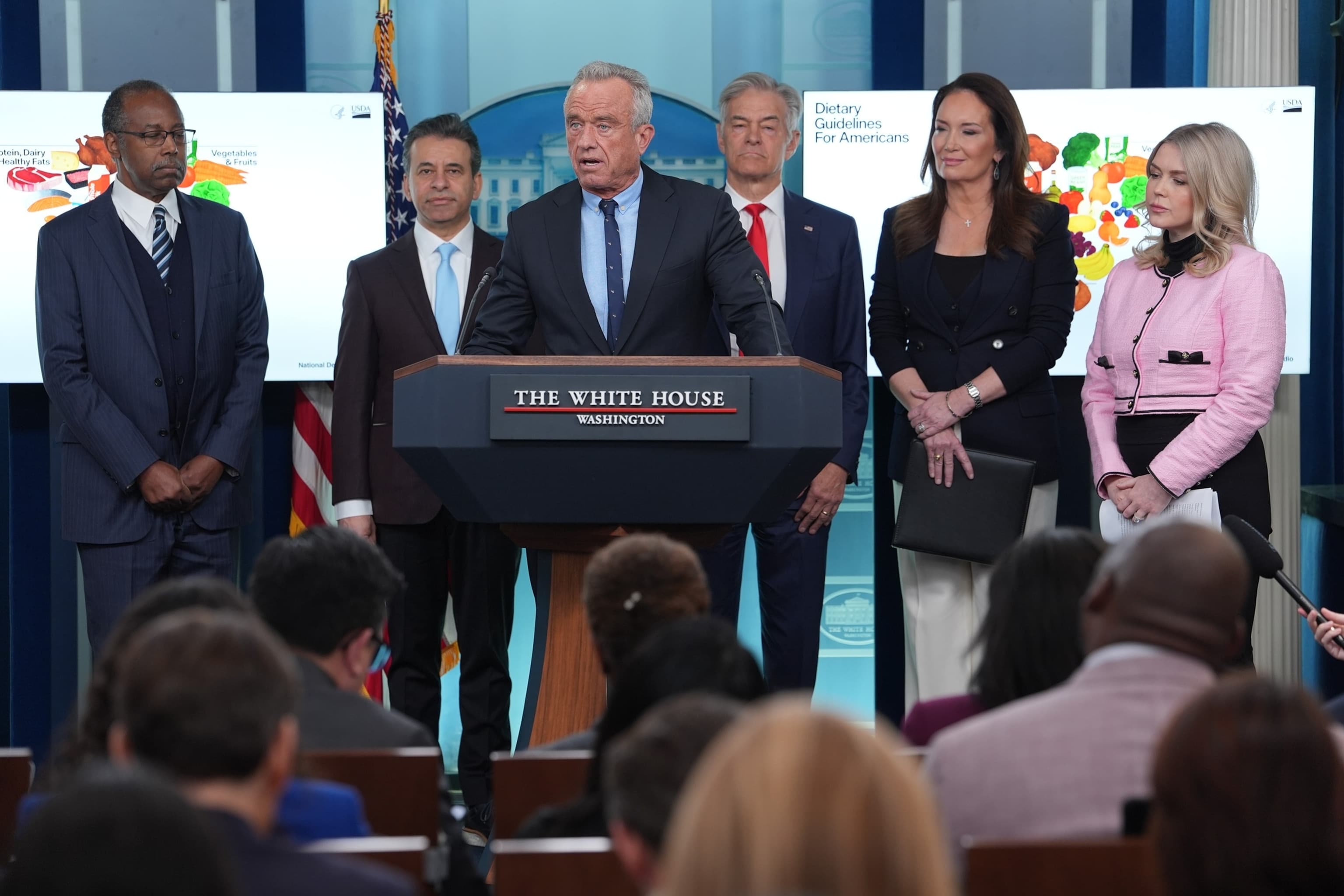
RFK Jr.'s new dietary guidelines are a direct assault on decades of government-endorsed, low-fat dogma. He frames the mainstream nutritional advice—heavy on grains, light on saturated fat—as a corporate conspiracy, often linking it to pharmaceutical interests. This framing immediately appeals to a vast, disillusioned segment of the public that views official health guidance with deep suspicion. The pivot to **dietary health** is brilliant because it taps into existing distrust, making him the ultimate anti-establishment voice on the dinner plate.
The Meat of the Matter: Who Actually Benefits?
The unspoken truth here isn't about cholesterol; it’s about **cultural alignment**. By aggressively promoting traditional, nutrient-dense foods, Kennedy is solidifying support among rural voters, the paleo/carnivore communities, and anyone tired of being lectured by dietitians. The losers are clear: Big Agribusiness lobbying for grain subsidies and the processed food industry that thrives on cheap, low-fat fillers. This is a direct challenge to the reigning food paradigm, which has demonstrably failed to curb obesity and chronic disease rates, despite decades of adherence. Analyzing this shift requires looking beyond the plate and seeing the political chessboard. (See the historical context of US dietary guidelines here for background.)
The Contrarian Take: Why Saturated Fat Stays on the Menu
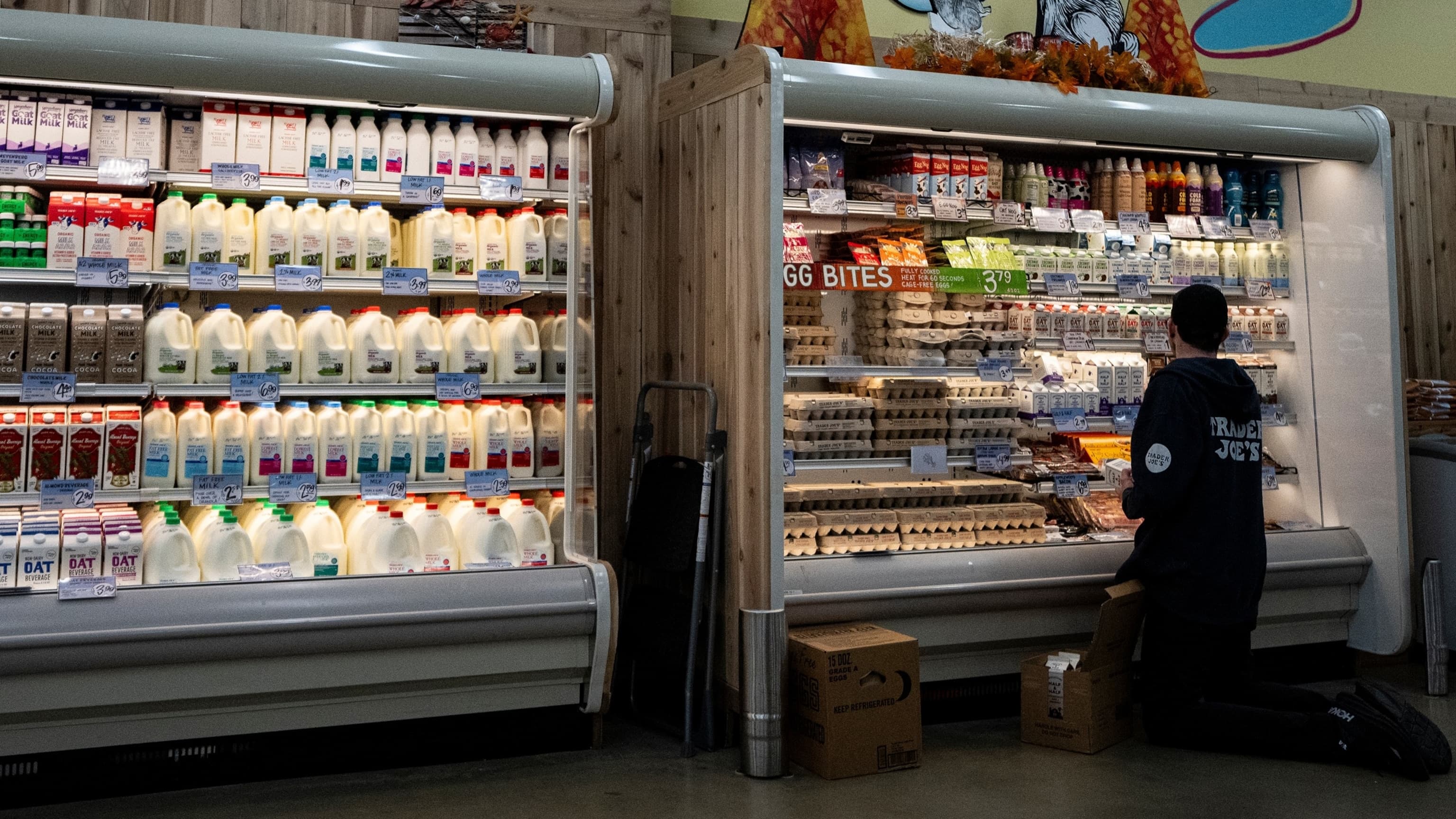
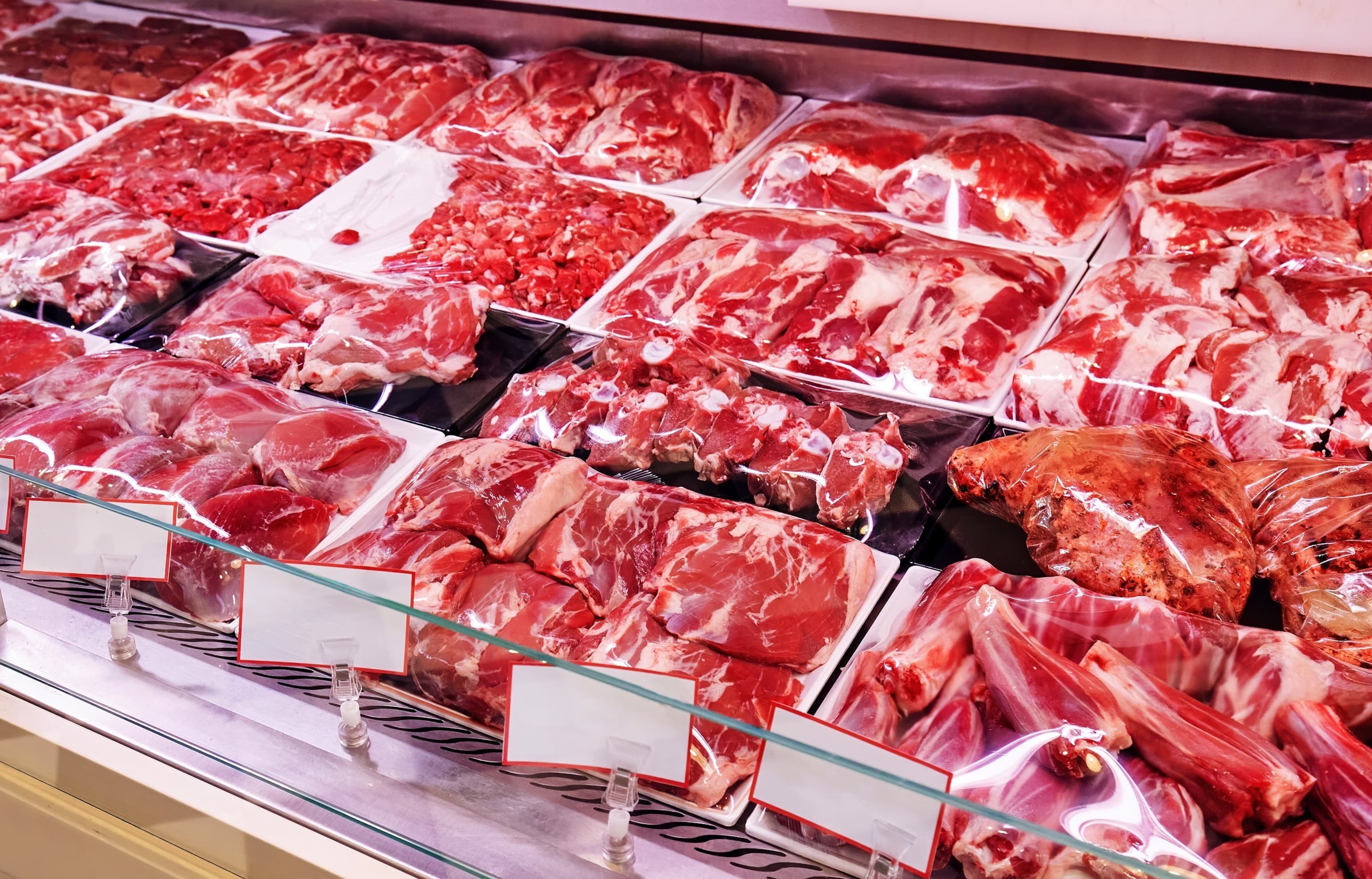
While mainstream media fixates on the potential cardiovascular risks associated with high intake of saturated fats, Kennedy's camp points to studies suggesting that refined sugars and seed oils (like soybean and corn oil) are the true villains. This narrative gains traction because many people feel worse, not better, on the standard low-fat diet. The push for grass-fed **red meat** and whole milk isn't just flavor; it’s a highly effective way to signal authenticity and reject the sanitized, industrial food complex. It’s anti-globalist eating.
Where Do We Go From Here? The Future of Food Politics
Prediction: RFK Jr.'s dietary stance will become a major, non-negotiable litmus test in the next political cycle. We will see other fringe candidates adopt similar stances, turning food policy into a primary wedge issue. Expect increased federal pushback, not necessarily on the science, but on the *messaging*, as established political figures try to distance themselves from the “meat-and-butter” platform. If Kennedy gains traction, expect the conversation around food subsidies and agricultural policy to become far more volatile. The battle lines are drawn: processed convenience versus ancestral sustenance. This culture war over **dietary health** is just beginning, and it will redefine what 'healthy eating' means in American politics.
For a look at the financial implications of shifting dietary trends, one might examine reports on USDA economic research.
Gallery



Frequently Asked Questions
What specific foods does RFK Jr.'s new diet emphasize?
The guidelines heavily emphasize whole, unprocessed foods, particularly focusing on quality sources of red meat and full-fat dairy products, steering clear of processed foods and refined sugars.
Why is this dietary advice considered controversial?
It is controversial because it directly contradicts decades of mainstream public health recommendations, which have historically advised limiting saturated fats found in red meat and full-fat dairy for cardiovascular health.
Is there scientific backing for a high-fat, high-meat diet?
There are ongoing, vigorous debates. Proponents point to research suggesting refined carbohydrates and seed oils are worse offenders, while established bodies still cite risks associated with high saturated fat intake. You can review meta-analyses on the topic via reputable medical journals, such as those indexed on <a href="https://www.nih.gov/">NIH</a>.
What is the political angle behind RFK Jr.'s food stance?
The political angle is leveraging public skepticism toward government and corporate influence. By promoting a 'traditional' diet, he positions himself as an authentic outsider fighting against powerful food and pharmaceutical lobbies.
Related News

The Silent Power Play: Why Wisconsin's Gender Care Halt Isn't About Kids, It's About the Bottom Line
The sudden halt to pediatric gender-affirming care by major Wisconsin health systems is more than a policy shift; it’s a calculated retreat from liability and the new frontier of medical risk management.

The Hidden Cost of 'Healthy America': Who Really Profits From the New US Food Pyramid?
The US is rewriting its **dietary guidelines**. Unpacking the political theater behind the 'Make America Healthy Again' movement and who stands to gain from this **nutrition** shift.

The Aspirin Gambit: Why Trump's Daily Dose Is a Political Liability, Not Just a Health Risk
Forget the heart health debate. Trump's constant aspirin use signals a deeper, more dangerous political calculation regarding high-stakes health decisions.
