The Silent Power Play: Why Wisconsin's Gender Care Halt Isn't About Kids, It's About the Bottom Line
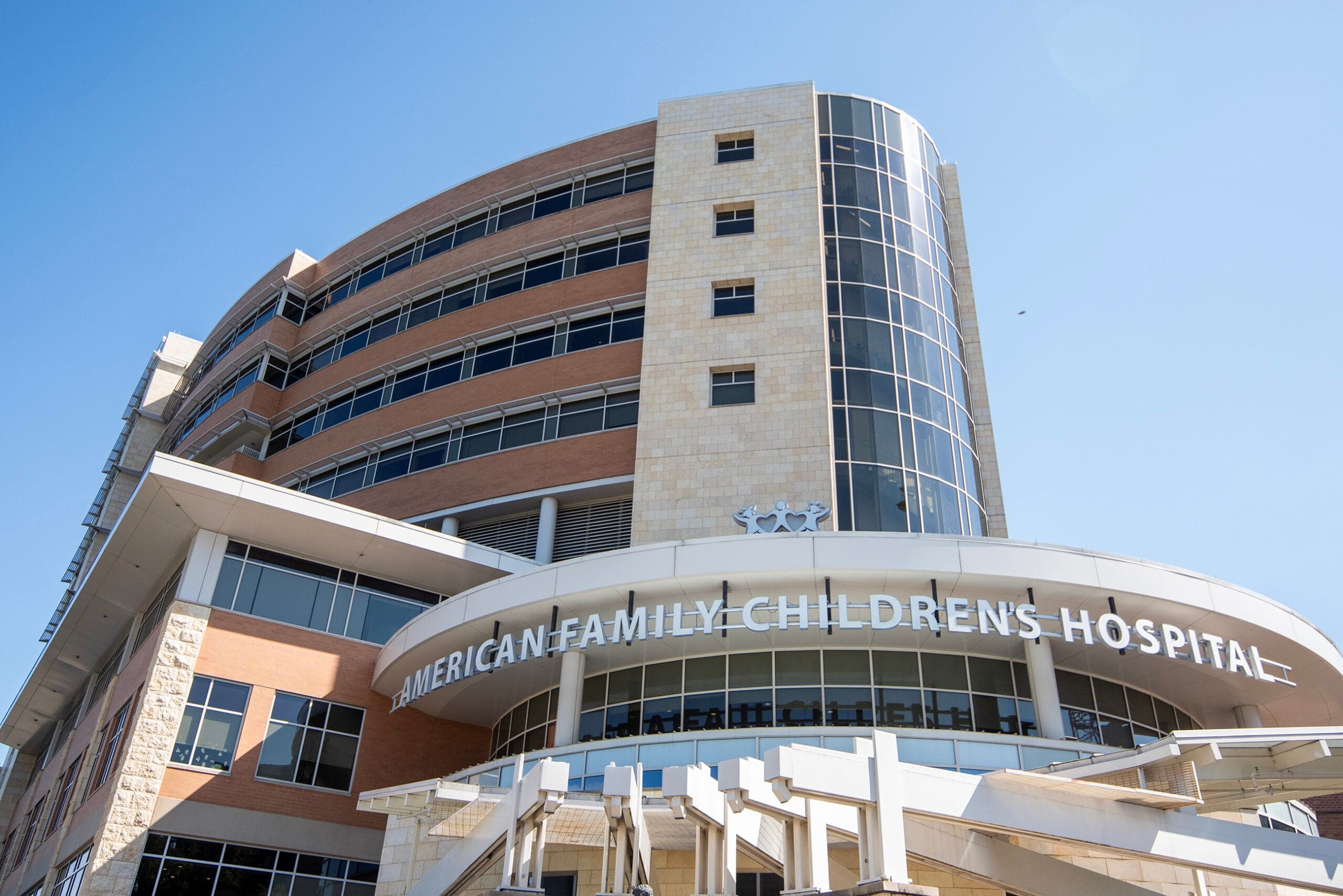
The sudden halt to pediatric gender-affirming care by major Wisconsin health systems is more than a policy shift; it’s a calculated retreat from liability and the new frontier of medical risk management.
Key Takeaways
- •The cessation of care is primarily driven by institutional risk mitigation against escalating legal and political liability, not clinical reassessment.
- •This forces families into 'Medical Nomadism,' increasing disparities as only wealthier families can travel for continuous treatment.
- •The move signals a dangerous precedent where specialized care can be withdrawn based on political pressure rather than medical necessity.
- •Expect immediate strain on neighboring states that continue to offer these services.
The Hook: When Institutions Fold Their Hand
The news broke quietly, almost buried in local reports: **Children’s Wisconsin** and **UW Health** have ceased providing gender-affirming treatments for minors. This isn't a sudden moral awakening; it’s a strategic pivot. We must ask the uncomfortable question: Who truly benefits when access to specialized medical care vanishes overnight? The answer reveals a chilling calculation prioritizing institutional survival over patient welfare.
This move, framed by public statements as a response to 'evolving guidance' or 'staffing capacity,' is the predictable outcome of a high-stakes legal and political gamble that finally failed. For months, major healthcare providers have been walking an ethical tightrope, balancing patient need against escalating political pressure and the specter of **medical liability**.
The Meat: Liability, Not Compassion, Drives Policy
The unspoken truth here is that the medical establishment, particularly large integrated systems like UW Health, reacts to financial threat faster than ethical urgency. The key phrase is **'evolving guidance.'** This vague language masks a massive internal risk assessment. As states nationwide become battlegrounds for these procedures, the legal exposure for providers treating minors—even with parental consent—has skyrocketed. Think of it as insurance adjusting premiums to unsustainable levels.
When legal challenges multiply and political winds shift, the easiest path to de-risk the institution is to eliminate the service entirely. This isn't about the science of **gender-affirming care**; it’s about avoiding class-action suits and legislative retribution. The patients—the minors seeking care—become acceptable collateral damage in a bureaucratic damage control exercise. The target keywords, **pediatric transition**, and **healthcare policy**, are central to this unfolding drama.
Look closely at the geography. Wisconsin is a closely contested state. Major health systems operate under intense public scrutiny. By stopping these procedures, these institutions signal compliance, or at least non-provocation, to the loudest political factions, effectively buying short-term peace while abandoning a vulnerable population.
Why It Matters: The Decentralization of Desperation
When major regional hubs close the door, the ripple effect is catastrophic. This move doesn't stop the need for treatment; it simply forces desperate families into two dangerous alternatives: long, expensive interstate travel, or seeking care from unqualified, non-institutional providers. This is the true cost of the policy shift: the fracturing of established, regulated medical pathways into a chaotic black market of desperate resources.
Furthermore, this sets a dangerous precedent for other complex, politically charged treatments. If providers can jettison **gender-affirming care** due to external pressure, what specialized care for other marginalized groups will be next when the political winds shift again? This is about institutional cowardice manifesting as **healthcare policy** change.
What Happens Next? The Rise of the 'Medical Nomad'
Prediction: We will see the immediate rise of 'Medical Nomadism' in the Midwest. Families with resources will flock to blue-state sanctuaries like Illinois or Minnesota, creating specialized, high-demand travel clinics. This will exacerbate existing healthcare disparities, as only the affluent can afford the travel, lodging, and time off work necessary to maintain continuous care. For the rest, access will become intermittent, or cease entirely, increasing mental health crises among affected youth. The ultimate loser is the community, now facing untreated mental health outcomes that will inevitably cost the state far more down the line than the preventative care ever would have.
For context on the long-term medical consensus, review established guidelines from major pediatric associations, such as the American Academy of Pediatrics.
Frequently Asked Questions
What exactly did Children's Wisconsin and UW Health stop providing?
They stopped providing gender-affirming treatments for minors, which typically includes puberty blockers, hormone therapy, and surgical interventions (though surgery is rare for minors).
What is the main reason cited for stopping these treatments?
The institutions officially cite 'evolving standards of care' and 'staffing challenges,' but investigative analysis suggests the primary driver is managing massive institutional risk associated with increasing political scrutiny and potential litigation.
Will this decision affect transgender adults in Wisconsin?
Generally, no. The policy change specifically targets care for minors. Adult care protocols are typically managed separately and are less subject to the same immediate political pressures affecting pediatric services.
Where can Wisconsin families seek this care now?
Families with the means are increasingly forced to travel to adjacent states like Illinois or Minnesota, which have enacted protections for these services, leading to a phenomenon known as 'medical migration.'
Related News

RFK Jr.'s Meat Mandate: The Hidden Political Play Behind His High-Fat Diet Crusade
Forget kale smoothies. RFK Jr.'s radical emphasis on red meat and full-fat dairy isn't just a diet choice; it's a calculated political strike against Big Food and public health orthodoxy.

The Hidden Cost of 'Healthy America': Who Really Profits From the New US Food Pyramid?
The US is rewriting its **dietary guidelines**. Unpacking the political theater behind the 'Make America Healthy Again' movement and who stands to gain from this **nutrition** shift.

The Aspirin Gambit: Why Trump's Daily Dose Is a Political Liability, Not Just a Health Risk
Forget the heart health debate. Trump's constant aspirin use signals a deeper, more dangerous political calculation regarding high-stakes health decisions.
