NRF 2026 Exposed: Why AI's Retail Takeover Isn't About Robots, It’s About Total Data Domination

The NRF 2026 show screamed 'AI,' but the real story of retail technology isn't innovation—it's centralized control. Discover the unspoken winner.
Key Takeaways
- •NRF 2026 highlighted AI integration, but the real underlying trend is mandatory data centralization, favoring large platform vendors.
- •The cost of implementing complex AI systems forces smaller retailers into deep, restrictive vendor lock-ins, killing agility.
- •The unspoken winner is the infrastructure provider, not the retailer developing new customer experiences.
- •Future success for independents relies on AI defiance—using niche, non-integrated tools while prioritizing authentic human connection.
The Hook: More Hype Than Hardware
Everyone is talking about retail technology. The chatter coming out of NRF 2026 was deafening, dominated by the usual suspects: Generative AI, hyper-personalization, and the promise of a frictionless checkout. But let’s be brutally honest: this wasn't a technological renaissance; it was a massive, synchronized marketing campaign. The real conversation happening behind closed doors—the one about true artificial intelligence adoption—is far more chilling than any flashy demo.
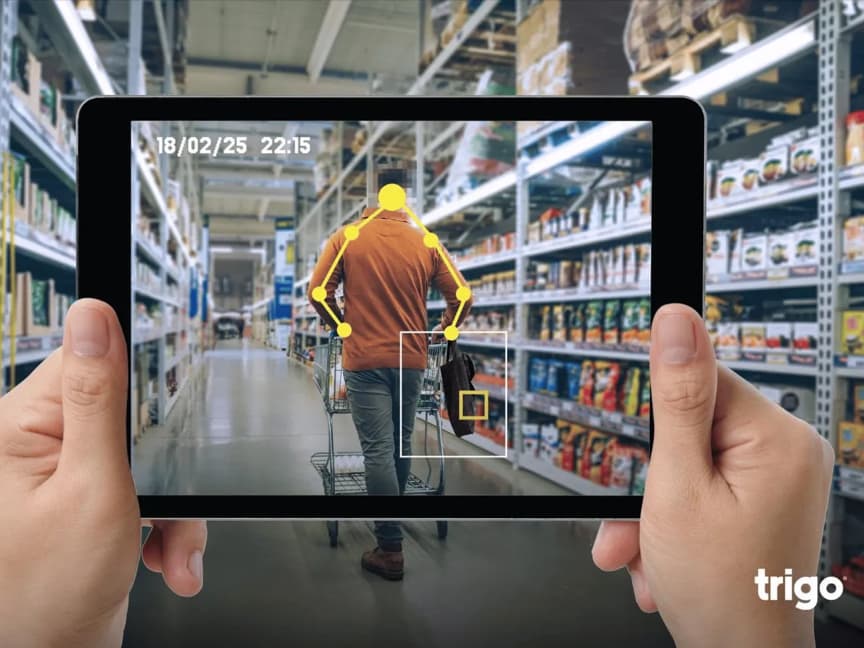
The prevailing narrative suggests AI is here to empower store associates and delight customers. That is the comforting lie. The **unspoken truth** of NRF 2026 is that this next chapter of retail isn't about better service; it’s about the final consolidation of consumer behavioral data into the hands of the few platforms that can process it at scale. If you think AI is just optimizing inventory, you’re missing the seismic shift.
The Meat: Data Centralization, Not Customer Service
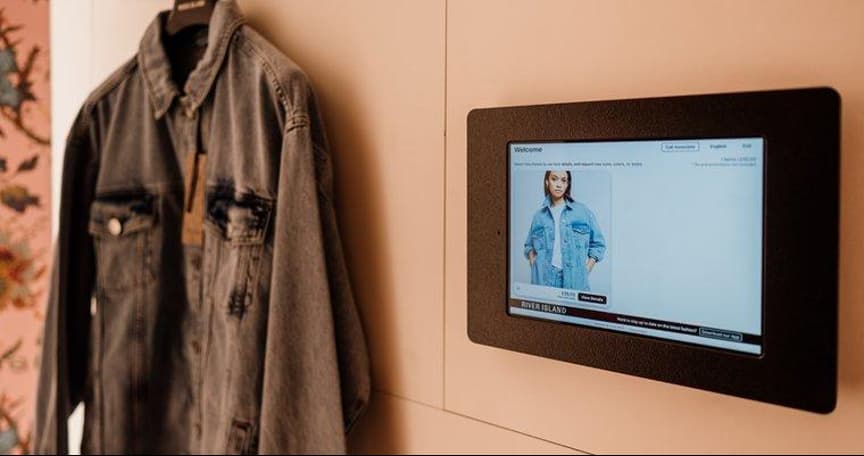
We saw dozens of demos showcasing AI optimizing supply chains—a necessary, yet mundane, application. What few analysts dared to dissect was the infrastructure required to run these sophisticated models. It demands unprecedented data centralization. Small and mid-sized retailers, already struggling with thin margins, are being forced into inescapable vendor lock-ins just to access competitive AI solutions. This isn't democratization of technology; it's forced subscription to the ecosystem.
Who wins? Not the consumer demanding better prices. Not the local boutique trying to compete. The winners are the hyperscalers—the cloud providers and the enterprise software giants whose platforms become the non-negotiable backbone for these 'next chapter' retail operations. They are not selling software; they are selling mandatory access to intelligence.
The Contrarian Take: The Death of Retail Agility
Agility has always been retail’s secret weapon against giants. NRF 2026 showcased systems so complex, so deeply integrated, that agility dies a slow, expensive death. When your pricing engine, inventory forecast, and personalized marketing funnel are all governed by one monolithic, proprietary AI stack, deviating becomes prohibitively costly. Retailers are willingly trading flexibility for predictive accuracy, unknowingly signing up for a future where their strategy is dictated by their vendor’s algorithm updates. This trend echoes historical industrial shifts, where small players were swallowed by infrastructure dependency. See how historical monopolies form by controlling essential infrastructure: Reuters on Big Tech consolidation.
Where Do We Go From Here? The Prediction
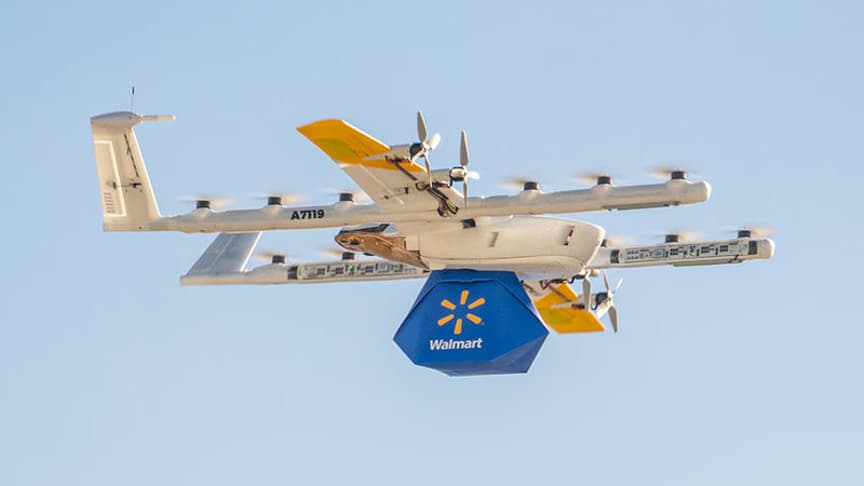
The next 18 months will see a sharp bifurcation in the retail landscape. On one side, the giants (think Walmart, Amazon, Target) will use their proprietary, hyper-optimized AI to achieve near-perfect demand forecasting, crushing competitors on price and availability. They will become almost immune to inventory risk.
On the other side, the remaining independent retailers will face an existential crisis. The key will not be adopting the most advanced AI, but mastering **Niche AI Defiance**. They must use off-the-shelf, non-integrated AI tools for highly specific, localized tasks—acting as 'AI guerrillas'—while doubling down on the one thing AI cannot replicate: genuine, unscripted human connection and community building. If they try to keep up with the integrated giants on their terms, they are finished. This mirrors historical shifts in manufacturing resilience, as documented by economic historians like those discussing industrial evolution: NBER working paper on industrial change.
Conclusion: The Quiet War for Autonomy
NRF 2026 was a showcase of capability, but its real legacy will be the quiet forfeiture of autonomy by retailers chasing the next shiny object. The future of retail isn't just about better shopping; it’s about who controls the data pipelines that define what gets sold, where, and at what price. Keep your eyes off the holograms and focus on the service agreements.
Gallery




Frequently Asked Questions
What was the main focus of NRF 2026 according to reports?
The primary focus of NRF 2026 was the aggressive integration of artificial intelligence across all facets of retail operations, from supply chain management to in-store customer interaction.
Why is vendor lock-in a major concern with new retail AI solutions?
Vendor lock-in is a concern because the most powerful AI solutions require deep integration with existing systems and massive data pipelines, making it prohibitively expensive and time-consuming for retailers to switch providers once committed.
What does 'AI Defiance' mean for small retailers?
AI Defiance suggests that small retailers should avoid competing directly with giants on massive, integrated AI platforms. Instead, they should focus on using smaller, specialized AI tools for unique problems while emphasizing the irreplaceable value of human-centric customer service.
How does AI adoption affect retail agility?
Over-reliance on monolithic, proprietary AI systems can severely decrease retail agility because any strategic pivot requires negotiating changes within the vendor's established algorithmic framework.
Related News

The Oregon Auto Show's Tech Mirage: Why Today's 'Innovation' is Tomorrow's Obsolete Hardware
The Oregon International Auto Show is back, but is it showcasing true automotive technology breakthroughs or just selling shiny distractions? We analyze the real winners.

The AI Mirage: Why Your 'Smart' Tools Are Actually Just Expensive Consultants for the Elite
Forget the hype. The true cost of artificial intelligence isn't computational power; it's the centralization of decision-making power.
The GPUaaS Lie: Why On-Prem AI Infrastructure Is Actually A Vendor Lock-In Trap
The rush to build **on-prem AI infrastructure** using **GPUaaS** models isn't about control—it's about a new form of dependency. Analyze the hidden costs.

DailyWorld Editorial
AI-Assisted, Human-Reviewed
Reviewed By
DailyWorld Editorial