The 'Third Hand' Lie: Why This New Farm Tech Is Actually About Data Control, Not Just Sterilization
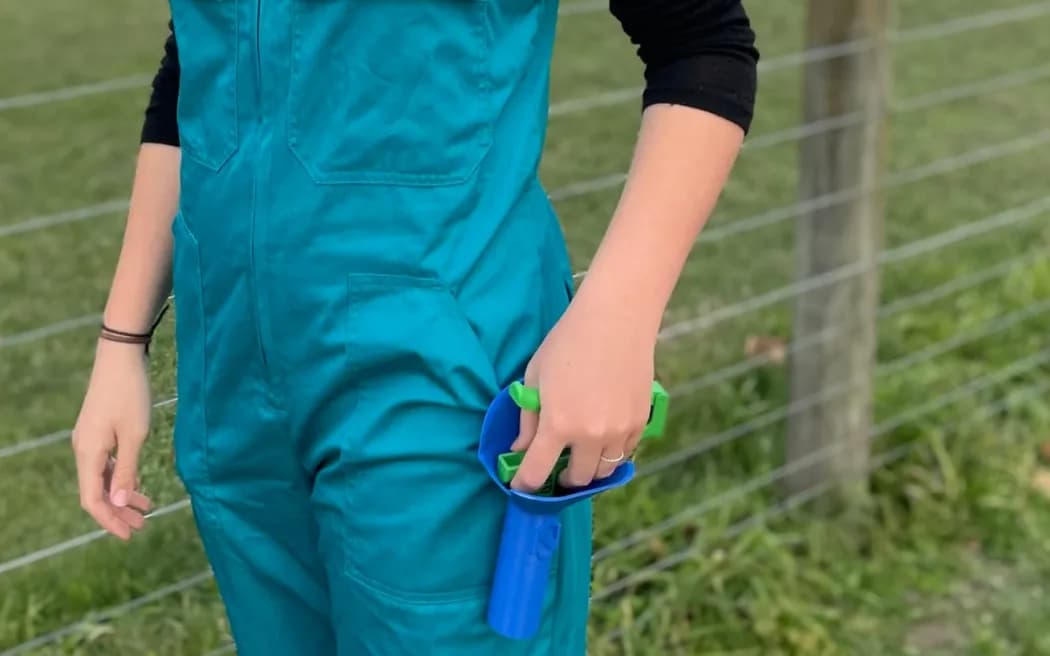
Forget the surface-level hype. This seemingly simple needle steriliser is the canary in the coal mine for agricultural technology adoption and data privacy.
Key Takeaways
- •The focus on needle sterilization distracts from the underlying data capture mechanism.
- •Granular treatment data creates significant leverage for external corporations.
- •Farmers risk losing control over their proprietary operational knowledge.
- •Future market access may depend on adopting these integrated digital tools.
The Hook: The Illusion of Simple Solutions
We are constantly sold shiny new gadgets promising to solve age-old problems. The latest darling in the agricultural tech sector is a simple needle steriliser, lauded by some as a necessary 'third hand' for efficiency in livestock management. On the surface, it’s a sterile breakthrough—less cross-contamination, better animal health. But look closer. In the world of modern farming, nothing is ever just about sterility. This is a Trojan horse for deeper integration into farm operations, and the real conversation isn't about needle hygiene; it’s about precision agriculture data ownership.
The 'Meat': Beyond the Surface Shine
The narrative emerging from rural press is overwhelmingly positive: reduced risk, faster processing. Farmers are adopting this agritech innovation because, yes, it solves a tangible, messy problem. But this device, often integrated with digital recording systems, isn't just wiping down a needle. It’s creating a new, highly granular data point: the exact moment an animal receives a specific treatment. This data feeds directly into larger farm management software ecosystems. Who controls that data stream? That is the critical, unspoken question.
The true winners here aren't necessarily the farmers saving a few minutes per injection. The winners are the tech providers who can now map treatment protocols down to the second, creating an incredibly detailed digital twin of the farm’s health and productivity profile. This level of data granularity is gold for insurance underwriters, supply chain auditors, and, crucially, seed and pharmaceutical giants looking to optimize their product sales based on real-time efficacy metrics.
The 'Why It Matters': The Data Extraction Economy
This is bigger than veterinary practice. This is about the creeping digitization of primary production. Every sensor, every smart gate, and now, every sterilized needle, is a node collecting information that flows outward. Farmers are increasingly becoming data generators for multinational corporations rather than just food producers. When data aggregation reaches this level of detail—linking treatment timing directly to yield outcomes—it shifts the balance of power. It moves away from the farmer’s decades of tacit knowledge toward algorithmic optimization dictated by external platforms. This reliance threatens the very autonomy that farmers prize.
Consider the precedent set by similar farm management software adoption. When your operational efficiency metrics are owned and analyzed by a third party, you risk future price manipulation or dictated purchasing requirements. The convenience of the 'third hand' masks the slow erosion of proprietary operational knowledge. It’s the quiet revolution where physical labor is replaced by digital oversight.
The Prediction: Where Do We Go From Here?
Within two years, expect mandatory integration. If a farm wishes to qualify for certain premium supply contracts or access subsidized financing tied to sustainability metrics, utilizing these 'smart' sterilization/recording systems will shift from optional to obligatory. We will see the emergence of 'Data Co-operatives'—farmers banding together to pool their data and negotiate its sale or retention, fighting back against the monolithic data aggregators. If they fail to organize, the cost of entry for high-efficiency farming will include a steep, non-negotiable data licensing fee.
Key Takeaways (TL;DR)
- The needle steriliser is a data collection point masquerading as a hygiene tool.
- The primary beneficiaries are the tech companies gaining granular treatment data.
- Increased data dependence risks farmer autonomy and profitability in the long run.
- Expect future pressure to adopt these integrated systems for market access.
Frequently Asked Questions
What is the primary benefit of the new needle steriliser technology for farmers?
The immediate benefit touted is improved hygiene, reducing the risk of cross-contamination between animals during injections, which theoretically leads to better animal health outcomes.
Why is data ownership a concern with this new farm technology?
Because these sterilizers often integrate with digital recording systems, they create highly detailed logs linking specific treatments to specific animals and times. This granular data is valuable and its ownership dictates future negotiating power with suppliers and auditors.
Is this technology unique to animal health, or part of a larger trend?
It is part of the broader trend in precision agriculture where every physical action on the farm—from planting to treatment—is being digitized and monitored to optimize large-scale efficiency, often at the expense of individual operator autonomy.
What are high-authority sources saying about agricultural data control?
Major academic institutions and regulatory bodies are increasingly discussing the need for data portability and clear ownership standards for farm data, recognizing the imbalance between data generators (farmers) and data processors (tech firms). You can review reports from organizations like the OECD on digital agriculture data governance.
Related News

The Oregon Auto Show's Tech Mirage: Why Today's 'Innovation' is Tomorrow's Obsolete Hardware
The Oregon International Auto Show is back, but is it showcasing true automotive technology breakthroughs or just selling shiny distractions? We analyze the real winners.

The AI Mirage: Why Your 'Smart' Tools Are Actually Just Expensive Consultants for the Elite
Forget the hype. The true cost of artificial intelligence isn't computational power; it's the centralization of decision-making power.
The GPUaaS Lie: Why On-Prem AI Infrastructure Is Actually A Vendor Lock-In Trap
The rush to build **on-prem AI infrastructure** using **GPUaaS** models isn't about control—it's about a new form of dependency. Analyze the hidden costs.

DailyWorld Editorial
AI-Assisted, Human-Reviewed
Reviewed By
DailyWorld Editorial