Wyden's Oregon Health Tour Hides the Real Crisis: Who's Profiting From Your Medical Despair?
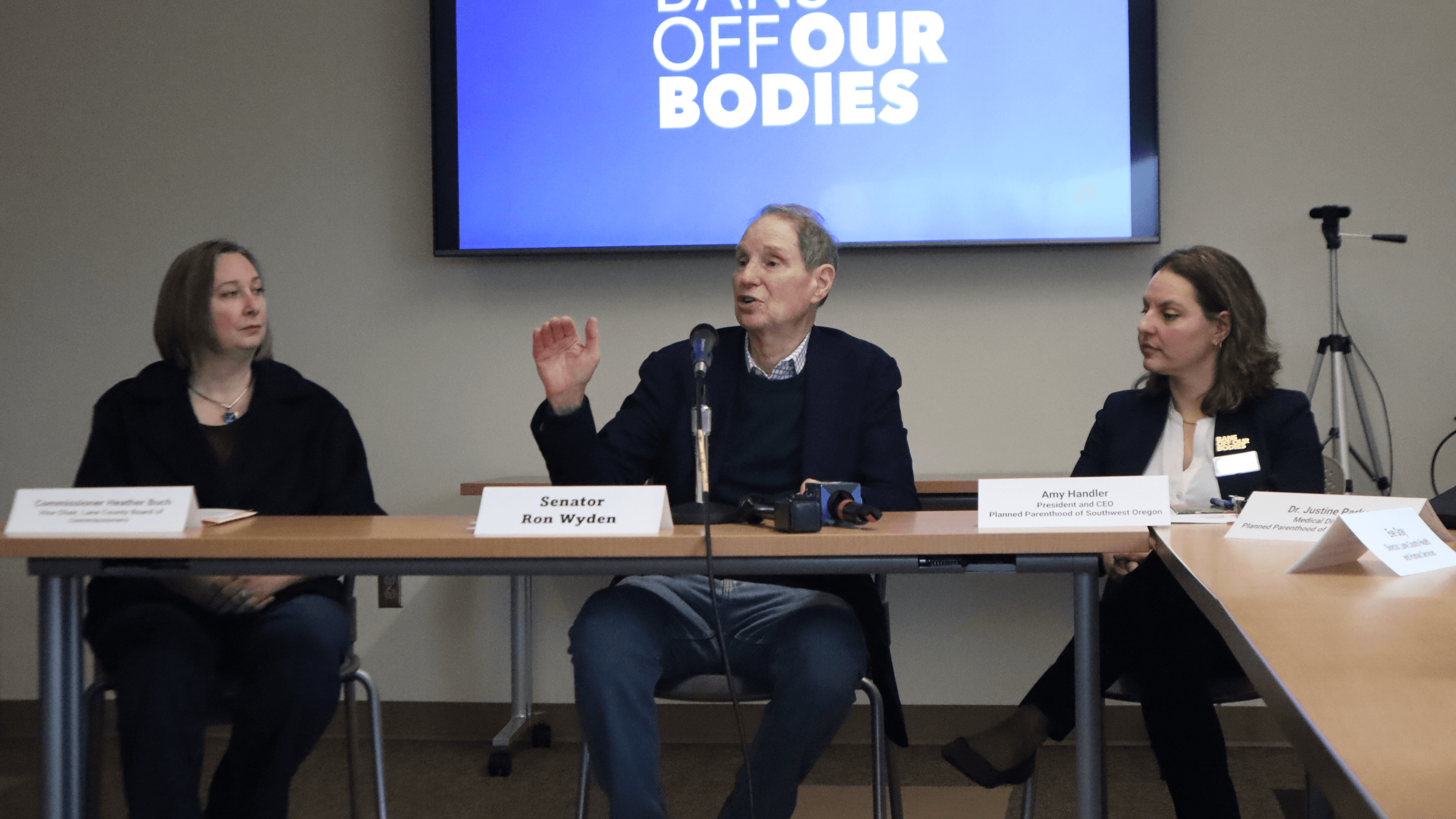
Senator Wyden is talking about Oregon's healthcare woes, but the crucial issue of **healthcare access** and rising costs remains dangerously unaddressed.
Key Takeaways
- •The current healthcare 'woes' function as a feature, not a bug, benefiting administrative and insurance profits.
- •Systemic change requires dismantling profit incentives tied to complexity, not just increasing federal funding.
- •The unspoken crisis is the growing stratification of care quality based purely on wealth.
- •Oregon's rural provider shortages are symptoms of poor reimbursement structures favoring specialization.
The Illusion of Dialogue: Wyden's Eugene Stop and the Systemic Rot
Senator Ron Wyden recently toured Eugene, dutifully cataloging the litany of complaints plaguing Oregon's **healthcare access**. We hear the familiar refrain: provider shortages, crushing insurance deductibles, and the agonizing wait times for mental health services. This is not news; it's the quarterly status report on American decay. The real story, the one Wyden studiously avoided dissecting, is the catastrophic asymmetry of power in the health sector.
The unspoken truth is that these 'woes' are not bugs in the system; they are features designed to maximize profit for the administrative class and pharmaceutical giants. When Wyden discusses the lack of rural doctors, he skirts the issue of reimbursement rates that disincentivize primary care over lucrative specialty procedures. We need to talk less about 'access' and more about healthcare economics. The current structure rewards complexity and denial of care, ensuring that the middle class remains perpetually one diagnosis away from bankruptcy.
The Real Winners: Insurance Cartels and Billing Departments
Who truly benefits from the current state of chaos? Not the patients struggling to find an in-network specialist, and certainly not the frontline nurses burning out. The beneficiaries are the opaque layers of bureaucracy—the insurance adjusters whose sole job is to find loopholes in their own policies, and the massive hospital systems prioritizing mergers over community health. This isn't a failure of political will; it’s a resounding success of lobbying power.
Consider the concept of 'surprise billing,' a problem supposedly fixed by recent legislation. Yet, the underlying incentive structure remains: incentivize complex billing codes, obfuscate pricing, and make navigating the system so painful that patients simply give up and pay whatever is demanded. This manufactured confusion is the bedrock of modern American medical finance. For deeper context on the lobbying influence, see reports from organizations like OpenSecrets regarding health sector spending.
Contrarian View: Why More Government Spending Won't Fix It Alone
The predictable political response will be calls for more federal funding or expanded subsidies. This is a fool's errand if the underlying architecture isn't dismantled. Throwing more money at a broken pipeline only results in more waste spilling onto the floor. We need radical price transparency and a fundamental shift away from fee-for-service models that incentivize volume over value. Until accountability shifts from the patient (who must navigate the labyrinth) to the provider (who benefits from the labyrinth), Oregonians—and Americans everywhere—will remain hostage to their own well-being.
What Happens Next: The Great Medical Migration
My prediction is stark: We are heading toward a two-tiered system that is already taking root. The wealthy will increasingly bypass the broken insurance infrastructure entirely, opting for direct-pay, concierge medicine where pricing is clear, and access is immediate. Meanwhile, the majority will be funneled into increasingly restrictive public or employer-based plans, navigating endless prior authorizations and shrinking provider networks. This bifurcation will exacerbate social stratification far beyond what we currently see, making quality care a marker of economic class, not citizenship.
Gallery

Frequently Asked Questions
What is the primary unspoken issue Senator Wyden avoided discussing regarding Oregon's healthcare?
The primary unspoken issue is the systemic profit incentive embedded in the current insurance and billing structure, which actively rewards complexity, high administrative costs, and the denial of care, rather than focusing on patient outcomes.
How does the current healthcare system affect middle-class families?
It places middle-class families in perpetual financial jeopardy, where a single major medical event can rapidly lead to significant debt or bankruptcy due to high deductibles and opaque pricing models.
What is the predicted future trend for US healthcare access?
The trend predicts an accelerated split into two tiers: immediate, high-quality concierge care for the affluent, and increasingly restricted, bureaucratic care for the majority dependent on insurance networks.
What is the 'fee-for-service' model that critics target?
Fee-for-service is a payment model where providers are paid for each service (test, procedure, visit) they deliver, which inherently incentivizes volume over efficiency or positive health outcomes.
Related News
The Hidden Cost of Diabetes Tech: Why 'Affordable Access' Is a Trojan Horse for Pharma Profit
The unified call for affordable diabetes technology masks a deeper regulatory battle. Who truly benefits from this 'access' push?

The Accreditation Shell Game: Why the Huntsman Mental Health 'Win' is Actually a Red Flag for Future Healthcare Education
The University of Utah's new accreditation isn't just a win; it signals a dangerous corporatization of vital **mental health education** and **healthcare training**.

The Digital Ghost Town: Why New Zealand's Pae Ora Health IT Overhaul Is Failing the Front Lines
The massive Pae Ora health restructure promised digital transformation, yet frontline performance lags. We expose the hidden bureaucratic inertia crushing IT progress.
