The Quiet War for Healthcare Talent: Why University Health Science Programs Are the New Battleground

Forget pharma hype. The real fight in modern healthcare isn't drugs; it's the looming shortage of skilled professionals, and university programs are the front lines.
Key Takeaways
- •The primary threat to healthcare is the accelerating shortage of skilled professionals, not just funding.
- •Regional universities expanding health science programs are strategically positioning themselves as essential labor suppliers.
- •Expect federal incentives to aggressively poach faculty for regional training centers to combat rural care deserts.
- •The focus is shifting from elite research institutions to scalable, practical training models.
The Silent Crisis: Healthcare’s Talent Tsunami
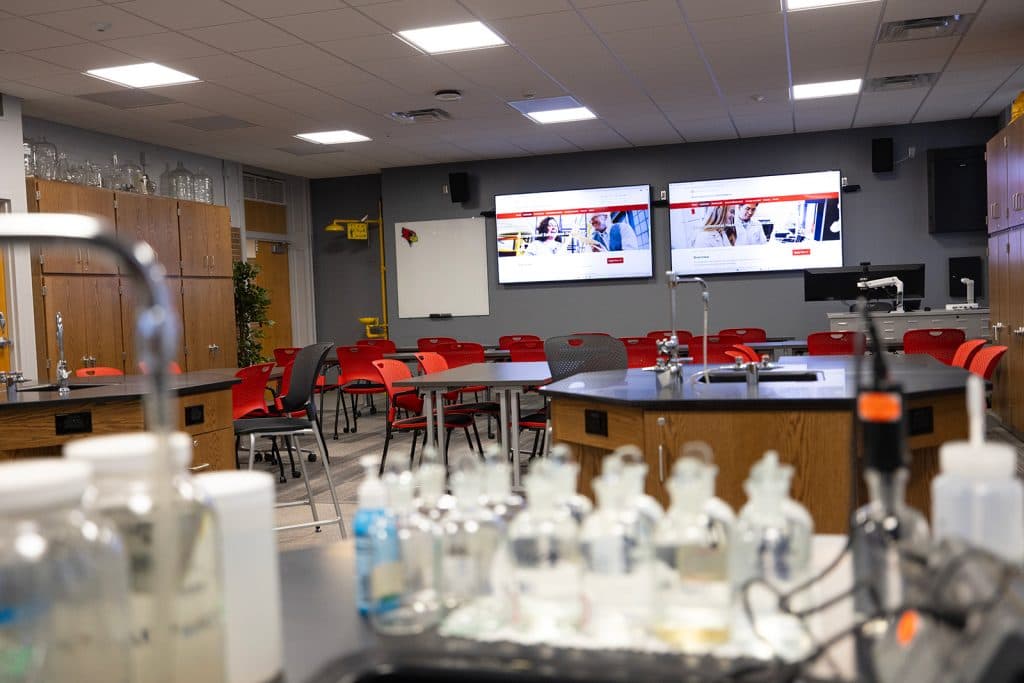
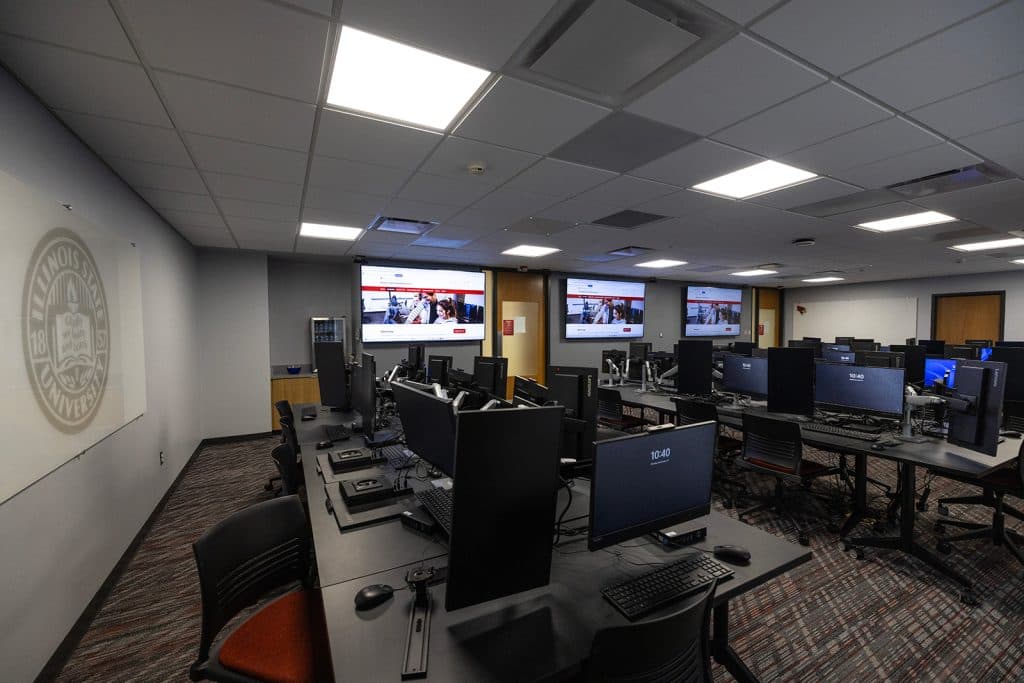
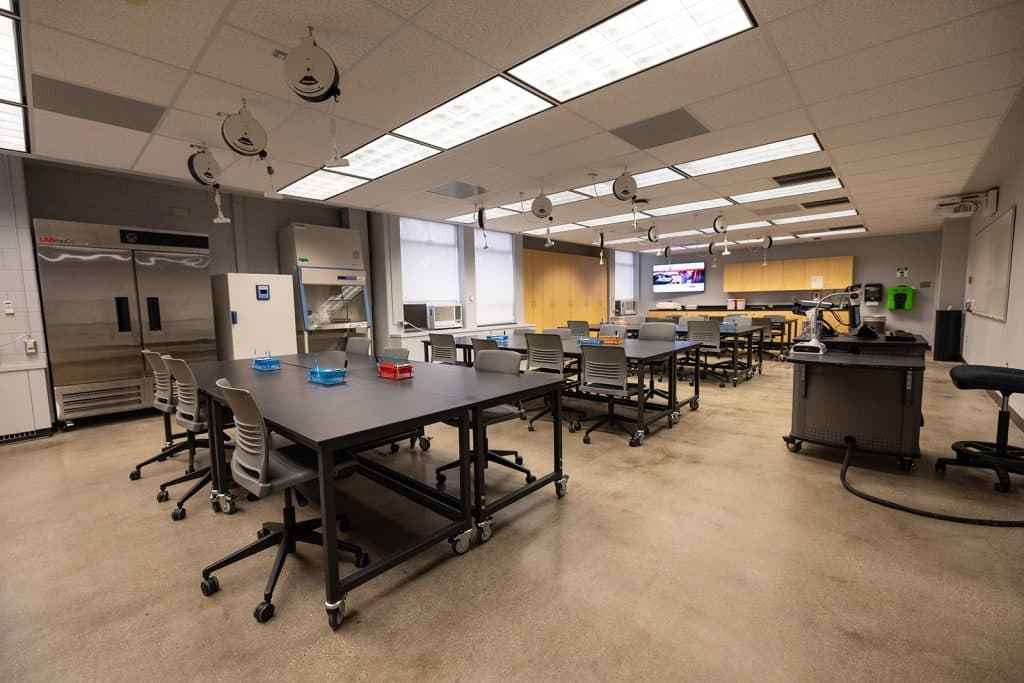
Everyone is talking about the next medical breakthrough, but the real, immediate threat to public health isn't a new virus—it's a massive, accelerating healthcare workforce shortage. While national headlines focus on hospital budgets and insurance fights, the foundational problem lies upstream: in the pipelines that feed the system. The recent focus on expanding health sciences education, exemplified by institutions like Illinois State University, isn't just academic progress; it’s a strategic defensive move against an impending collapse of accessible care.
The unspoken truth is that the current rate of retirement among seasoned nurses, therapists, and technicians far outpaces the influx of new graduates trained to handle modern, complex patient loads. This isn't just about filling seats; it's about radically redesigning curricula to meet the demands of telehealth, data-driven diagnostics, and an aging population. Why are universities suddenly pouring resources into these specific departments? Because they recognize that future health is contingent on human capital, not just technology.
Analysis: The Hidden Winners and Losers
Who truly benefits when regional universities ramp up their health sciences output? The immediate winners are obvious: the graduates, who secure high-demand jobs in a tight labor market. The secondary winner is the local economy, which gains high-paying, stable employment anchors. But the losers? They are the traditional, elite research universities that have long maintained a monopoly on prestige medical training. They risk being outmaneuvered by nimble regional programs that prioritize practical, community-focused training over esoteric research grants.
This shift signals a crucial cultural pivot. We are moving away from viewing healthcare solely through the lens of blockbuster pharmaceuticals and toward valuing the frontline, practical skills of allied health professionals. This de-emphasis on the MD-as-God model, while necessary, creates friction. It forces established medical centers to accept graduates with different training philosophies. Look at the data: the demand for physical therapists and nurse practitioners is skyrocketing, yet training capacity lags. This gap is where political and economic power will shift next.
Where Do We Go From Here? The Prediction
My prediction is that within five years, the most significant factor determining healthcare accessibility in non-urban areas will not be insurance parity, but faculty density in regional health science departments. We will see aggressive national policies—perhaps even federally mandated loan forgiveness tied directly to rural practice—to incentivize top-tier faculty to leave major medical centers and teach at these regional hubs. Universities that successfully integrate AI simulation tools into practical training—making one professor effectively teach twenty students simultaneously—will become the gold standard. Those that stick to outdated lecture models will be relegated to producing perpetually underprepared candidates. The future of healthcare workforce development is scalable, practical, and aggressively localized.
This isn't about incremental improvement; it’s about institutional survival in a rapidly aging demographic reality. The future of health depends on how quickly these educational pipelines can adapt. For more on the challenges facing the current medical workforce, see reports from the American Medical Association on physician burnout [AMA Site].
Gallery



Frequently Asked Questions
What is the main driver behind the current healthcare workforce shortage?
The main driver is the high rate of retirement among experienced nurses and allied health professionals, which is outpacing the capacity of current educational systems to train replacements adequately.
Why are regional universities becoming more important in health sciences?
They are becoming more important because they can often train professionals faster and more affordably, focusing on practical, community-based needs which appeals to local employers seeking immediate staffing solutions.
Will technology replace the need for more human healthcare workers?
No. Technology like AI will augment roles, handling diagnostics and data, but it increases the need for highly skilled professionals capable of implementing and interpreting those advanced systems at the patient level.
What does 'faculty density' mean in the context of future healthcare?
Faculty density refers to the number of qualified teaching professionals available to train new students. High density in key regional areas will directly correlate with better local healthcare access in the next decade.
Related News
The Hidden Cost of Diabetes Tech: Why 'Affordable Access' Is a Trojan Horse for Pharma Profit
The unified call for affordable diabetes technology masks a deeper regulatory battle. Who truly benefits from this 'access' push?

The Accreditation Shell Game: Why the Huntsman Mental Health 'Win' is Actually a Red Flag for Future Healthcare Education
The University of Utah's new accreditation isn't just a win; it signals a dangerous corporatization of vital **mental health education** and **healthcare training**.

The Digital Ghost Town: Why New Zealand's Pae Ora Health IT Overhaul Is Failing the Front Lines
The massive Pae Ora health restructure promised digital transformation, yet frontline performance lags. We expose the hidden bureaucratic inertia crushing IT progress.

DailyWorld Editorial
AI-Assisted, Human-Reviewed
Reviewed By
DailyWorld Editorial