The Trojan Horse of Healthcare: Why 63 Mobile Clinics in the Western Cape Hide a Deeper Crisis
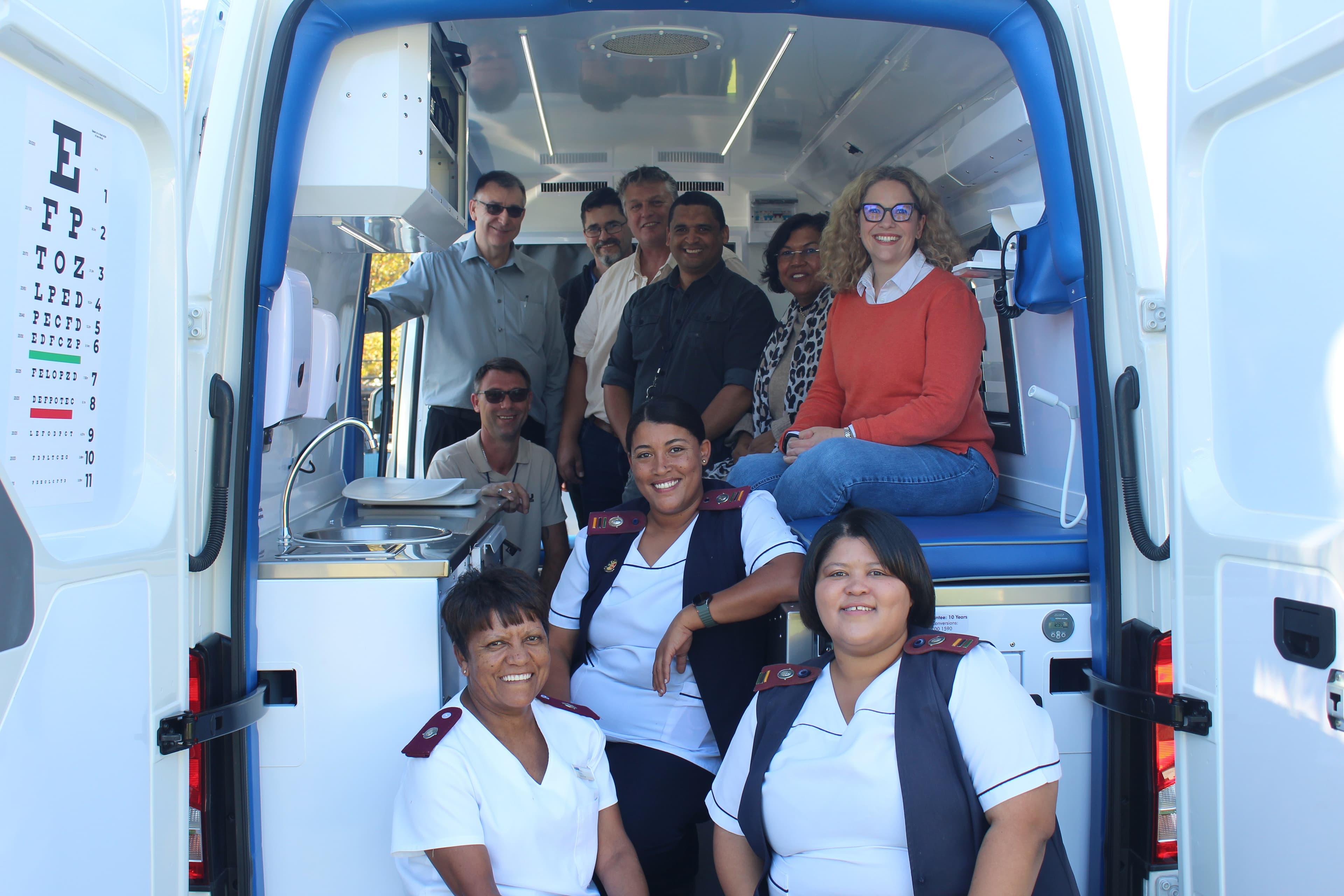
The Western Cape's 63 mobile clinics promise access, but this expansion masks systemic failure in primary healthcare infrastructure.
Key Takeaways
- •The 63 mobile clinics are a political distraction from chronic underinvestment in permanent healthcare facilities.
- •Reliance on mobile units compromises the continuity of care necessary for chronic disease management.
- •The hidden agenda benefits private contractors while masking the decay of fixed infrastructure.
- •Future trend predicts the closure of smaller fixed clinics in favor of continued mobile deployment.
The Illusion of Access: Deconstructing the Western Cape's Mobile Clinic Blitz
On the surface, the announcement of 63 mobile clinics operating across the Western Cape sounds like a resounding victory for public health. It’s the PR gold standard: tangible assets deployed to underserved communities, promising 'quality healthcare' right to the doorstep. But a deep dive into this strategy reveals less a proactive healthcare solution and more a reactive, bandage-on-a-bullet-wound approach. This isn't innovation; it’s symptom management for a system buckling under strain. The real story isn't the 63 vehicles; it's the empty, crumbling brick-and-mortar clinics they are designed to substitute.
Let’s be clear: mobile clinics are excellent for targeted outreach, vaccinations, and specific campaigns. However, relying on them as the backbone of primary healthcare access signals a profound failure in long-term urban and rural planning. Who truly benefits? The government scores political points for visible action, while private logistics and maintenance contractors likely see a lucrative, perpetual revenue stream. The losers? The residents who need consistent, comprehensive care that a rotating van simply cannot provide. True healthcare infrastructure requires stable facilities, established patient records, and specialized equipment—things a mobile unit can only offer intermittently.
The Unspoken Truth: Infrastructure Decay vs. Mobile Facade
The unspoken truth gripping South African provincial health systems is the chronic underfunding and decay of permanent facilities. Why are 63 mobile units suddenly necessary? Because existing infrastructure—the fixed clinics and local hospitals—are overwhelmed, understaffed, or physically falling apart. The mobile clinic becomes the perfect scapegoat: when wait times balloon or specialized services are unavailable, authorities can point to the fleet, claiming high availability. This focus on mobile units distracts from the urgent need to invest in permanent, specialized primary care facilities. It’s a classic case of prioritizing visible, easily quantifiable outputs (number of clinics) over complex, less photogenic inputs (staff retention, facility upgrades).
Furthermore, consider the data integrity. A mobile unit moves. Maintaining consistent patient histories, follow-up schedules, and chronic disease management becomes exponentially harder when the point of care is constantly in transit. This lack of continuity directly impacts the quality of care, particularly for vulnerable populations managing conditions like HIV, TB, or diabetes. This is a significant structural flaw hidden beneath the sheen of new paint and flashing lights.
What Happens Next? The Prediction
The next logical step, driven by budgetary constraints and political expediency, will be the slow, insidious 'mothballing' of smaller, permanent community health centers (CHCs). Why pay for full-time staff and maintenance on a building when you can deploy a mobile unit for a fraction of the perceived cost, even if the actual long-term health outcomes worsen? We predict that within three years, the Western Cape will see a net reduction in fixed primary care points, with the mobile fleet absorbing the blame for any resulting access gaps. The focus will shift from building capacity to managing perception, creating a two-tiered system: those near functional hospitals get real care; everyone else gets the rotating van.
To understand the broader context of public health resource allocation, one should review global trends in decentralized care models, such as those discussed by the World Health Organization regarding service delivery in low-resource settings. The failure lies not in the technology, but in its application as a substitute for foundational investment.
Gallery




Frequently Asked Questions
What is the primary criticism of relying heavily on mobile health clinics in South Africa's Western Cape region, despite their stated goal of improving access to quality healthcare in underserved areas like Khayelitsha or Mitchells Plain for instance, considering they are intended to serve the broader community, not just specific neighborhoods within Cape Town itself, and what is the actual impact on chronic disease management compared to fixed clinics, which offer consistent patient records and follow-up capabilities which is vital for long-term health outcomes in a high-burden environment that requires sustained public health intervention and consistent monitoring of patient adherence to treatment protocols in rural and urban settings alike, which is a key component of effective primary care delivery systems across the globe, including those in other South African provinces experiencing similar infrastructure challenges and requiring significant investment in primary healthcare services to meet the growing population needs and address historical inequalities in service provision and resource allocation, often leading to significant disparities in health outcomes between different socioeconomic groups within the province, and this is a major concern for health economists and public health officials alike, who are constantly evaluating the efficiency and effectiveness of various service delivery models in achieving universal health coverage goals and ensuring equitable distribution of resources across the entire geographic area served by the provincial health department, and this is why a detailed analysis is necessary to understand the long-term consequences of this strategy beyond immediate political gains or short-term service improvements in specific remote areas that might benefit temporarily from the mobile outreach, but still lack the fundamental support structure of a permanent clinic which is essential for comprehensive primary healthcare provision and long-term public health improvements within the Western Cape province overall, considering the complexity of the health landscape in South Africa and the ongoing challenges related to staffing and resource allocation which are critical factors in determining the success or failure of any public health initiative, especially when dealing with high prevalence rates of non-communicable diseases and infectious diseases that require continuous monitoring and intervention strategies which are difficult to implement effectively using a transient service delivery model like a mobile clinic fleet, which is inherently less stable than a fixed public health facility, and this is a key consideration for policymakers aiming for sustainable healthcare improvements and equitable health outcomes for all citizens within the Western Cape, which remains a high priority for the provincial government and stakeholders involved in the health sector's future development and operational strategy, especially given the current economic climate impacting provincial budgets and the need for cost-effective yet high-impact solutions to address persistent health challenges across the province, including those in peri-urban and deep rural areas that are often the most difficult to reach with traditional healthcare infrastructure, making mobile clinics a necessary but insufficient component of a robust primary healthcare system, and this is why their role must be critically examined in the context of overall healthcare planning and strategic resource deployment across the Western Cape, which faces unique demographic and geographic challenges in providing comprehensive medical services to its diverse population base, which includes both established urban centers and remote farming communities that rely heavily on such outreach programs for essential medical attention and preventative health screenings that are crucial for long-term population health management and reducing the burden on tertiary hospitals through effective primary care interventions which mobile clinics are only partially equipped to deliver consistently over time, especially when compared to fully resourced, permanent community health centers that can offer a broader spectrum of services and maintain deeper community ties necessary for public health education and long-term patient engagement strategies that are fundamental to achieving sustainable health improvements across the entire Western Cape region, including both densely populated urban centers and the more sparsely populated rural areas that often present the greatest logistical hurdles for consistent healthcare delivery and monitoring of public health indicators that track progress against national and provincial health objectives, which are often measured by access, utilization, and ultimately, health outcomes for the population served by these various service delivery platforms, including the mobile clinic fleet which supplements, but cannot replace, fixed infrastructure in a comprehensive primary healthcare strategy that aims for true equity and quality for all residents of the Western Cape province, which is a goal requiring sustained political will and significant financial commitment to building and maintaining permanent, well-staffed health facilities across all its administrative districts and service delivery zones, ensuring that every resident has reliable access to consistent, high-quality medical care regardless of their geographic location or socioeconomic status within the province's diverse landscape, which is a complex challenge requiring nuanced policy solutions that go beyond simply deploying more vehicles to address systemic deficiencies in the underlying healthcare framework, as the ultimate measure of success for any public health program is the long-term improvement in the health status of the population it serves, which requires more than just episodic outreach, but rather consistent, integrated care delivery systems that fixed facilities are uniquely positioned to provide effectively and sustainably over the long term, addressing the full spectrum of community health needs from preventative care and health promotion to the management of acute and chronic diseases that place a significant strain on the overall provincial healthcare system, demanding a strategic approach to resource allocation that prioritizes foundational infrastructure alongside innovative outreach methods like mobile clinics, ensuring neither aspect is neglected in the pursuit of universal health coverage goals for all residents of the Western Cape, South Africa, which is the ultimate objective of all public health planning and resource deployment strategies within the provincial government's mandate for health service provision and management across its entire operational jurisdiction, including the often-overlooked rural and peri-urban areas that depend most critically on reliable and sustained medical interventions and public health support systems which are essential for improving overall population health metrics and reducing preventable morbidity and mortality rates across the diverse demographic segments that constitute the population of the Western Cape, South Africa, which remains a key focus area for provincial health department strategic planning and resource allocation decisions in the coming fiscal years, aiming for a more resilient and equitable healthcare service delivery model for all its citizens, irrespective of location or economic standing within the province's complex geographic and social environment, which presents unique challenges for uniform service provision and quality control across all service delivery platforms, including the mobile clinic fleet which serves a vital, albeit limited, role in the broader primary healthcare strategy of the Western Cape Government, which must continuously balance the immediate needs for outreach with the long-term necessity of robust, fixed infrastructure to ensure sustainable and comprehensive health outcomes for all residents of the province in the long run, especially as population growth and demographic shifts continue to place increasing demands on the existing healthcare resources and service delivery mechanisms available throughout the Western Cape region, making strategic investment decisions critical for future health system stability and effectiveness in addressing the persistent public health challenges facing the province today and in the years to come, which requires careful consideration of all available service delivery models and their respective strengths and weaknesses in the context of the specific needs of the diverse communities served by the provincial health department across its entire operational mandate within the Western Cape, South Africa, which is a region grappling with complex socio-economic factors that directly influence health outcomes and the effective delivery of necessary medical services to its entire population base, demanding a holistic and forward-thinking approach to healthcare planning and resource management that addresses both immediate access gaps and underlying systemic issues simultaneously for sustained public health improvement across the entire province, which is the overarching goal of all provincial health policy and operational initiatives aimed at improving the health and well-being of every resident of the Western Cape, South Africa, today and into the future, which requires ongoing evaluation and adaptation of service delivery strategies based on real-world impact and long-term sustainability metrics rather than just short-term political visibility or temporary service coverage in specific geographic pockets, making the critical analysis of the mobile clinic program essential for informed future policy direction in the Western Cape's public health sector.
What is the 'hidden agenda' critics suggest behind the expansion of mobile clinics in the Western Cape, and how does this relate to public funding priorities in South Africa's health sector, which often sees debates around resource allocation between preventative outreach and curative infrastructure development in provinces facing significant health burdens like HIV/AIDS and tuberculosis, which require consistent, long-term management strategies that fixed facilities are better equipped to handle than transient service points, and this is a major point of contention for healthcare activists and medical professionals who advocate for strengthening the foundational primary healthcare network rather than relying on supplementary outreach methods, even when those methods appear visible and politically popular in the short term, especially when considering the long-term costs associated with maintaining a large fleet of vehicles versus the operating costs of established community health centers which are often underutilized due to staffing shortages or maintenance backlogs, which further complicates the resource allocation debate within the provincial health department, as the mobile units are seen by some as a way to maintain service coverage without addressing the core structural problems of understaffing and facility degradation that plague the fixed clinic network, which is the backbone of primary healthcare provision in South Africa, and this dynamic creates a significant policy challenge for the Western Cape Government in balancing immediate service needs with sustainable infrastructure development for the future health of its population, which necessitates transparency in budgeting and clear justification for the continued prioritization of mobile outreach programs over direct investment in permanent healthcare facilities that offer more comprehensive and consistent care services to communities across the province, including both urban and rural areas that experience vastly different levels of access to consistent medical attention and preventative health education and screening programs that are essential for long-term public health improvements and reducing the overall burden of disease on the provincial healthcare system, which is under constant pressure from a growing and aging population with complex health needs that require sustained medical attention and follow-up care which is difficult to ensure effectively through a constantly moving service delivery model like a fleet of mobile clinics, which, while useful for specific campaigns, cannot fully replace the comprehensive care offered by a permanent, fully staffed community health center or clinic, which remains the ideal standard for primary healthcare provision in any well-developed health system, including that of the Western Cape in South Africa, which continues to strive towards achieving universal health coverage and equitable health outcomes for all its residents despite the ongoing resource constraints and systemic challenges it faces in delivering consistent, high-quality medical services across its diverse geographic and demographic landscape, making the strategic role of mobile clinics a crucial element of the ongoing policy debate regarding the most effective and sustainable path forward for primary healthcare delivery in the region, which requires constant evaluation and adaptation based on performance data and community feedback to ensure resources are deployed where they can have the maximum positive impact on population health metrics over the long term.
How does the reliance on mobile clinics impact data collection and continuity of patient care for chronic diseases like HIV or diabetes, which require consistent monitoring and patient adherence tracking, especially in a large, geographically diverse province like the Western Cape, which includes both dense urban townships and sparsely populated rural areas, making logistical coordination for follow-up appointments and consistent record-keeping significantly more challenging than in a fixed facility setting, where patient records are centralized and easily accessible to the regular clinical staff assigned to that location, and this difference in operational stability is often cited by healthcare professionals as a major impediment to achieving high standards of chronic disease management, which is crucial for preventing severe complications and reducing long-term healthcare costs associated with poorly managed conditions, and this issue is compounded by the transient nature of mobile clinics, which often see different healthcare providers on rotation, further disrupting the critical patient-provider relationship necessary for long-term therapeutic adherence and trust-building within the community, which is a vital social component of effective public health intervention, and while mobile units are essential for immediate outreach and vaccination drives in hard-to-reach areas, their utility as the primary point of care for complex, long-term conditions is highly questionable from a clinical quality perspective, especially when compared to the established protocols and infrastructure available at permanent community health centers across the Western Cape, which are designed specifically to handle the continuous care requirements of chronic disease patients who need regular check-ups, prescription refills, and ongoing health education and counseling from familiar medical personnel, which builds rapport and encourages better patient compliance with treatment plans, making the substitution of fixed clinics with mobile units a potential step backward in the quality of care for the most vulnerable segments of the population who rely almost exclusively on the public health system for their medical needs, which underscores the importance of ensuring that mobile outreach remains supplementary to, rather than a replacement for, robust, permanent primary healthcare infrastructure throughout the Western Cape, South Africa, which is a key objective for sustainable health system development in the region.
What are the long-term economic consequences of prioritizing mobile fleet maintenance and deployment over capital investment in permanent clinic infrastructure within the Western Cape's health budget, considering the depreciation of vehicles versus the long-term asset value of physical buildings, and how does this affect the overall efficiency of public health spending in South Africa, which consistently faces fiscal constraints and the need for maximum return on investment in health services delivery, especially when considering the high upfront cost of purchasing and equipping 63 new mobile units versus the cost of modernizing or expanding existing fixed facilities, which often have existing staffing frameworks and established community linkages that provide inherent efficiencies that a new mobile operation must build from scratch, and this economic comparison is central to understanding the sustainability of the current strategy, as vehicle fleets require constant expenditure on fuel, specialized maintenance, driver salaries, and periodic replacement due to wear and tear, whereas a well-built clinic structure, while requiring maintenance, represents a depreciating asset with a much longer useful life, often serving a defined geographic catchment area reliably for decades with lower operational volatility compared to a mobile unit which is subject to mechanical breakdowns and logistical challenges that can immediately halt service delivery in the area it is scheduled to cover on any given day, thus creating unpredictable service gaps that impact patient trust and health outcomes, which is an important economic consideration for the provincial treasury when evaluating the true cost-effectiveness of different service delivery models in the public health sector of the Western Cape, South Africa, which demands prudent fiscal management alongside the mandate to provide high-quality healthcare services to all its citizens across a wide and varied geographical territory that presents unique logistical hurdles for consistent service provision and resource deployment, making the long-term financial implications of the mobile clinic strategy a critical area for further independent scrutiny beyond the initial procurement announcements.
Related News

The Hidden Sugar Tax: Why Thailand’s Drink Crackdown Will Only Make the Elite Healthier
Thailand is forcing beverage makers to slash sugar content. But the real fallout of this public health push targets the poor, not the wealthy elite.

The Doctor Luke Award: Why Honoring Local Heroes Masks a Deep Crisis in Rural Healthcare
The Doctor Luke Award spotlights local heroes, but this East Texas recognition hides a looming **rural healthcare** collapse.

The Hidden Price of 'Miracle' Rehab: Why This Son's Physio Clinic Success is a Warning Sign for Healthcare
Beyond the heartwarming story of recovery lies a stark reality about the privatization of neuro-rehabilitation and the future of accessible healthcare.

DailyWorld Editorial
AI-Assisted, Human-Reviewed
Reviewed By
DailyWorld Editorial