The Hidden Cost of 'Free': Why the SC's Menstrual Hygiene Ruling Won't Solve India's Biggest Health Crisis
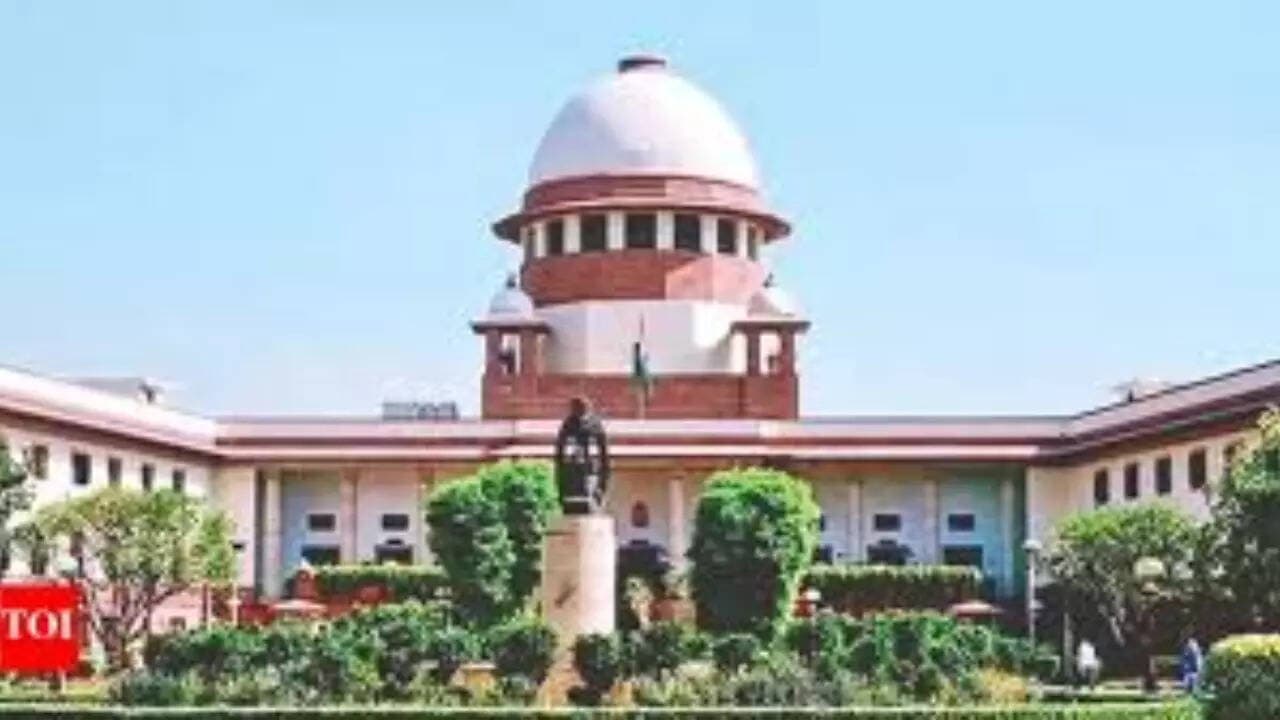
The Supreme Court declared menstrual hygiene a fundamental right, but the real fight over **sanitary pad distribution** and **women's health** is just beginning.
Key Takeaways
- •The ruling mandates free sanitary products, but implementation faces massive logistical and infrastructure hurdles.
- •The cultural stigma surrounding menstruation remains the biggest barrier, potentially rendering the 'right' symbolic.
- •The focus on subsidized disposables may inadvertently harm local, sustainable menstrual product industries.
- •Future policy will likely shift toward automated, IoT-enabled dispenser systems for distribution control.
The Unspoken Truth: Rights vs. Reality in Menstrual Equity
The Supreme Court's landmark declaration—that menstrual hygiene is inextricably linked to the fundamental Right to Health—sounds like an unqualified victory. It mandates free sanitary products, a move celebrated on social media. But here is the uncomfortable truth: this ruling is a symbolic sledgehammer aimed at a logistical and cultural fortress. Who truly wins? The NGO sector, which gains legal leverage. Who loses? The rural woman who still fears societal stigma more than she fears product cost. The real battle isn't about the price tag; it’s about infrastructure and ingrained bias.
Analysis: Beyond the Pad—The Economics of Dignity
For years, the debate around menstrual hygiene has centered on the GST on pads—a tax that disproportionately burdened low-income women. While removing this financial barrier is crucial, it addresses only 20% of the problem. The vast majority of Indian women still rely on unhygienic, reusable cloths or rags. Why? Access. Mandating 'free' products requires a supply chain that currently doesn't exist at the village level. This ruling shifts the burden of proof onto the state to deliver, but we must ask: Where are the manufacturing hubs? Where are the distribution networks capable of reaching millions of remote households monthly? This is an economic earthquake disguised as a social welfare announcement.
Furthermore, this ruling forces a direct confrontation with patriarchy. Providing a product is easy; ensuring its discreet and dignified use is the challenge. Will local governing bodies allocate resources fairly, or will the mandated pads end up in dusty storerooms while cultural taboos dictate usage? We are witnessing the state codifying a right, but cultural inertia moves far slower than judicial decree. Read more about the cultural context of menstruation in India on a site like Reuters for perspective.
The Prediction: The Rise of the 'Smart Dispenser'
What happens next? Prediction: The immediate future will see massive, often corrupt, government tenders for pad procurement, leading to initial stockouts and the proliferation of low-quality, subsidized products. The long-term shift, however, will be technological. Expect a rapid pivot towards automated, IoT-enabled sanitary napkin dispensers in public and semi-public spaces (schools, primary health centers). This allows for centralized tracking (a boon for bureaucracy) and removes the face-to-face stigma of receiving a 'free' item. This move towards automated distribution will become the next major battleground in women's health policy, shifting focus from procurement to technological implementation.
The Hidden Losers: Local Industry and Sustainability
The local, small-scale industries producing reusable, sustainable menstrual products will face immense pressure. If the government pushes cheap, mass-produced disposable pads as the default 'fundamental right' solution, it undermines eco-friendly alternatives. This is a classic case of 'lowest common denominator' policy overriding sustainable innovation. The long-term environmental impact of millions of non-biodegradable pads entering India's already strained waste system has been dangerously overlooked in the rush to celebrate this victory for sanitary pad distribution.
Gallery

Frequently Asked Questions
What is the core legal implication of the Supreme Court's ruling on menstrual hygiene?
The core implication is that the Supreme Court has legally interpreted the Right to Health (Article 21) to inherently include access to menstrual hygiene products, thereby obligating the state to ensure their availability, often mandating free distribution.
Will this ruling immediately stop period poverty in rural India?
No. While the ruling removes the financial barrier, period poverty is deeply linked to lack of awareness, poor sanitation infrastructure (clean water/toilets), and deep-seated cultural taboos that prevent women from using products even when available.
What are the main logistical challenges for free sanitary pad distribution?
The challenges include establishing a reliable cold/dry supply chain to remote areas, ensuring quality control of mass-produced items, and managing the massive increase in non-biodegradable waste generated.
How does this ruling affect the existing tax (GST) on sanitary pads?
If the ruling mandates 'free' products, the previous GST debate becomes somewhat moot for the end-user, as the state assumes the cost. However, it sets a precedent that essential female hygiene items should be treated as public goods, not luxury items.
Related News

The Hidden Sugar Tax: Why Thailand’s Drink Crackdown Will Only Make the Elite Healthier
Thailand is forcing beverage makers to slash sugar content. But the real fallout of this public health push targets the poor, not the wealthy elite.

The Doctor Luke Award: Why Honoring Local Heroes Masks a Deep Crisis in Rural Healthcare
The Doctor Luke Award spotlights local heroes, but this East Texas recognition hides a looming **rural healthcare** collapse.

The Hidden Price of 'Miracle' Rehab: Why This Son's Physio Clinic Success is a Warning Sign for Healthcare
Beyond the heartwarming story of recovery lies a stark reality about the privatization of neuro-rehabilitation and the future of accessible healthcare.

DailyWorld Editorial
AI-Assisted, Human-Reviewed
Reviewed By
DailyWorld Editorial