The Silent Risk: Why Your Daily Paracetamol Habit Could Be Making You Dangerously Reckless

The world's most common painkiller, paracetamol, is now implicated in inducing risky behavior. Unpacking the hidden dangers of this ubiquitous drug.
Key Takeaways
- •New studies suggest common doses of paracetamol blunt the perception of negative consequences.
- •This chemical dulling of risk assessment may lead to objectively riskier behavior in daily life.
- •The hidden winner is the culture that profits from immediate, chemically-assisted decision-making.
- •Expect future regulatory changes focusing on 'Cognitive Risk Labeling' for common analgesics.
The Unspoken Truth About Your Pain Relief: Beyond the Headache
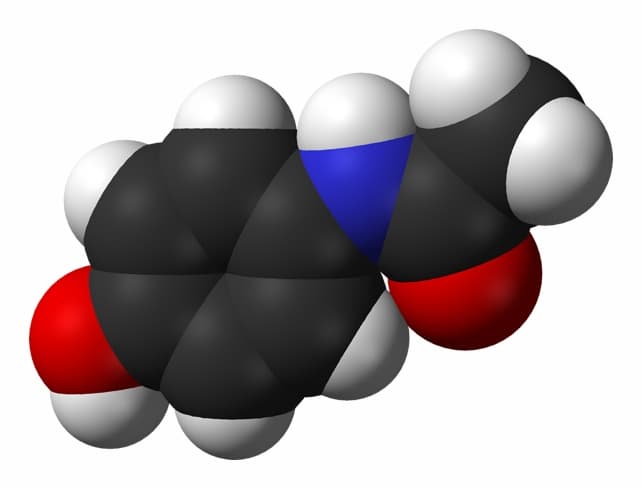
We treat it like water. It sits in every medicine cabinet, handed out liberally for everything from a mild tension headache to post-surgical recovery. We are talking, of course, about paracetamol (or acetaminophen, depending on your latitude). It is the undisputed king of over-the-counter analgesics. Yet, a recent wave of research suggests this seemingly benign staple might be doing more than just numbing pain—it could be subtly rewiring our risk assessment centers.
The core finding, whispered in academic circles but largely ignored by mainstream media, is that common doses of paracetamol appear to blunt emotional responses, specifically reducing the perception of negative consequences. This isn't just about feeling slightly less anxious; this is about fundamentally altering the calculus of decision-making. When the sting of potential failure or danger is chemically muted, what decisions do we make?
The media reports focus on the immediate finding: people taking the drug might be more likely to gamble, drive aggressively, or take professional leaps with insufficient foresight. But the unspoken truth is far more insidious: this research exposes the deep, often unacknowledged psychological dependency we have on readily available cognitive enhancers. We aren't just treating physical pain; we are medicating emotional discomfort, and the side effect is a dangerous overconfidence.
The Economics of Manufactured Complacency
Who truly benefits from this revelation? Initially, the pharmaceutical giants who manufacture paracetamol might seem threatened. They aren't. This study, while cautionary, will likely lead to increased, yet more monitored, sales. The real winner here is the culture of immediate gratification. In a hyper-competitive, high-stress world, the option to chemically flatten negative feedback loops is an invaluable commodity. Why confront anxiety when you can simply swallow a pill and proceed with reckless abandon?
This isn't just about individual choices; it's an economic accelerant. Imagine traders making riskier market bets, or executives pushing through questionable mergers, all with a slightly numbed sense of impending doom, courtesy of their morning dose. The systemic risk increases exponentially when the population's collective 'fear factor' is artificially lowered. This issue transcends simple pharmacology; it touches on regulatory oversight and the ethics of mass-marketed cognitive modulation. For deeper context on drug regulation, see the FDA's overview on OTC medications.
Where Do We Go From Here? The Prediction
The current discourse will pivot quickly. Initially, there will be sensational headlines warning against mixing pain relief and high-stakes activities. But that's a temporary fix. My prediction is that within three years, we will see the rise of 'Cognitive Risk Labeling' on OTC drugs. Expect packaging to carry mandatory warnings: 'May reduce perception of negative outcomes; use caution when making irreversible decisions.' Furthermore, expect a surge in demand for non-pharmacological pain management, as consumers begin to realize that feeling the full spectrum of risk is, ironically, safer.
The market for true cognitive enhancement, the kind that improves focus without dulling caution, will explode. We are moving toward an era where consumers are acutely aware of the chemical scaffolding supporting their daily function. The era of blindly trusting the white pill is ending. For a look at how our brains process risk, explore research from institutions like the National Institute of Mental Health.
The Bottom Line
Paracetamol is not just treating your headache; it might be lowering your guard. This finding forces us to confront how much of our daily decision-making is chemically influenced. The next time you reach for that familiar blister pack, remember: you aren't just killing pain; you might be silencing your own internal alarm system. This is a critical moment for personal pharmacology awareness.
Gallery



Frequently Asked Questions
Is paracetamol dangerous for the liver?
Yes, the primary established danger of paracetamol is liver toxicity when taken in excessive doses, which is a separate concern from the newly reported behavioral risks.
What is the active ingredient in Panadol and Tylenol?
The active ingredient in both Panadol and Tylenol (depending on the region) is acetaminophen, which is chemically known as paracetamol.
How much paracetamol is considered a risky dose?
While the behavioral studies use common doses, the established toxic dose that causes acute liver failure is generally above 4,000 mg (4 grams) in a 24-hour period for adults, though lower limits are often recommended.
Are other painkillers affected by this risk?
Current research specifically highlights paracetamol. NSAIDs like ibuprofen have different mechanisms of action and are not currently linked to this specific blunting of risk perception.
Related News

The Magnesium Mirage: Why Your Supplement Habit Won't Fix Your Life (And Who's Really Profiting)
Is everyone taking too much magnesium? We analyze the supplement hype, the real science, and the industry agenda behind the mineral craze.
The Longevity Lie: Why Meat Eaters Living to 100 Isn't the Victory You Think It Is
New longevity data suggests meat consumption correlates with extreme lifespan. But the real story behind this 'meat eater' breakthrough reveals a massive socioeconomic blind spot.
The Collagen Cult Collapse: Why Dermatologists Are Finally Admitting Your $50 Powder Is Snake Oil
Dermatologists are quietly admitting that ingestible collagen supplements fail to deliver on their viral beauty promises. We dissect the industry.

DailyWorld Editorial
AI-Assisted, Human-Reviewed
Reviewed By
DailyWorld Editorial