Centenarians Eat Steak? The Hidden Agenda Behind the Latest Longevity Study
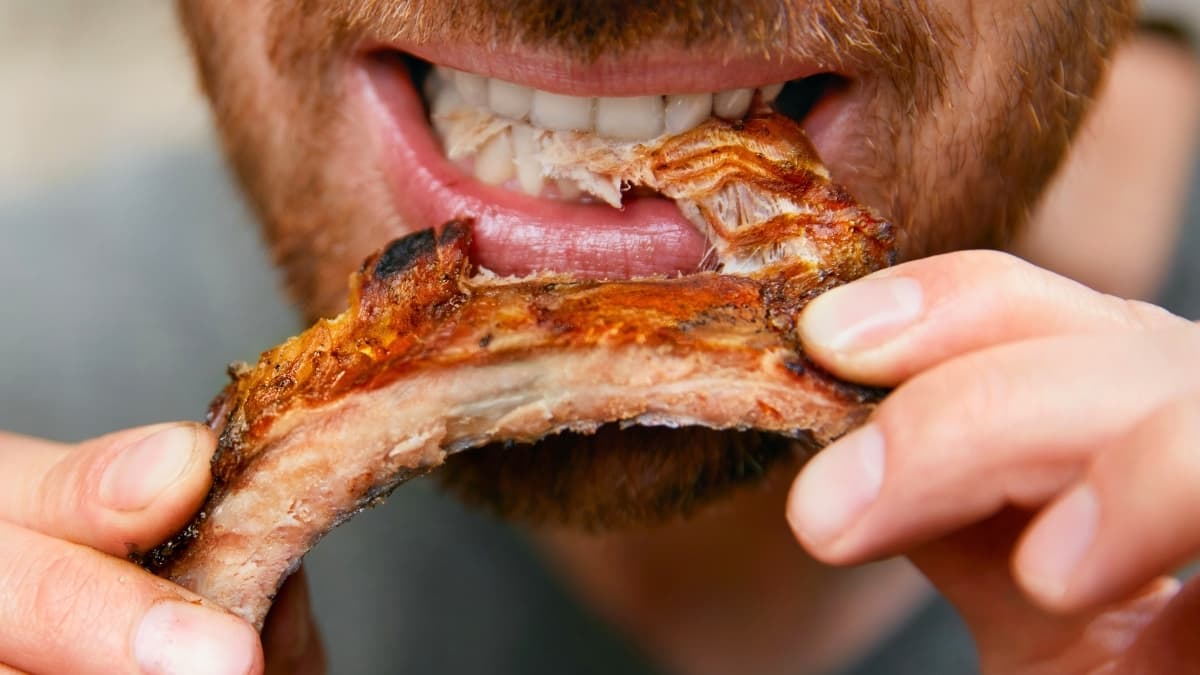
Forget kale. New data suggests meat-eaters hit 100, but this longevity finding reveals a deeper truth about diet and wealth.
Key Takeaways
- •The study links meat consumption to reaching 100, but this often correlates strongly with higher socioeconomic status and access to quality food.
- •The 'catch' is context: high-quality animal products differ vastly from processed meats found in standard diets.
- •The findings serve the wellness industry by creating new, premium dietary narratives.
- •Expect a sharp polarization in public dietary advice following this research.
The Unspoken Truth: Your Steak Might Outlive Your Salad
The headlines are screaming: Meat Eaters Live Longer. Another week, another study attempting to dismantle decades of vegetarian dogma. This recent finding, linking meat consumption to a higher probability of reaching 100, isn't just about protein; it's a seismic cultural event. We're talking about longevity science colliding head-on with the deeply entrenched, often moralized, narrative of plant-based supremacy. But before you trade your Brussels sprouts for brisket, we need to dig deeper into who these centenarians actually are.
The key takeaway isn't that red meat is a magic elixir. The catch—the part the sensationalists gloss over—is context. Researchers are observing populations that likely have access to high-quality, nutrient-dense animal products, coupled with superior healthcare and lower chronic stress. This isn't about the heavily processed, factory-farmed burgers fueling the average American diet. This is about dietary patterns and socioeconomic status masquerading as a simple food feud. The real winner here isn't the cow; it's access to superior resources.
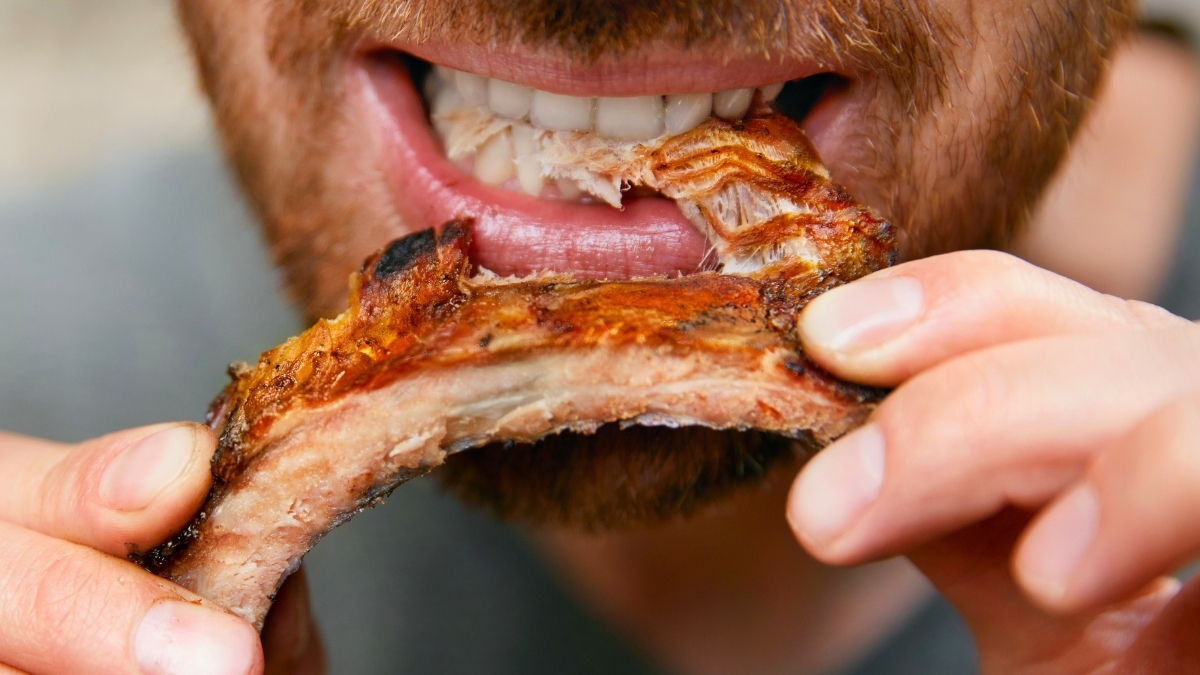
The Longevity Industrial Complex: Who Really Profits?
Why does this study gain traction now? Because the wellness industry is desperate for a new narrative. For years, the focus has been on restriction and plant-forward dogma. This study offers permission to indulge, and permission sells supplements, specialized meat programs, and premium grocery subscriptions. We are witnessing the weaponization of observational data to drive consumer behavior in the multi-billion dollar healthy aging market. Consider the source of funding, the inherent biases in self-reported dietary surveys, and the fact that many of these centenarians grew up in eras where meat consumption was a sign of prosperity, not indulgence.
The deeper analysis shows that longevity science often overlooks the confounding variables of wealth. A person eating moderate amounts of high-quality animal protein while managing their inflammation through regular exercise and access to preventative medicine is fundamentally different from someone whose diet is primarily cheap meat and sugar. The study illuminates a correlation, but correlation in nutrition is often just a proxy for class.
What Happens Next? The Great Dietary Polarization
Prediction: This study will trigger a sharp, polarized reaction. Expect the rise of the 'Bio-Hacker Carnivore,' heavily marketed to affluent individuals seeking bio-optimization, distancing themselves from the 'weakness' of plant-based dogma. Simultaneously, activist groups will pivot, pointing to the study's limitations regarding processed meats and environmental impact. We will see a bifurcation in dietary advice: one path emphasizing pure, high-quality animal sourcing for peak performance, and another doubling down on sustainable, whole-food plant diets for the masses.
The true battleground isn't the plate; it’s the narrative control over what constitutes 'optimal' human performance in the 21st century. Until we address resource inequality, these studies will always be incomplete snapshots of privileged eating habits. For more on the complexities of nutritional research, see the robust analysis from the World Health Organization on dietary guidelines: WHO Healthy Diet Fact Sheet.
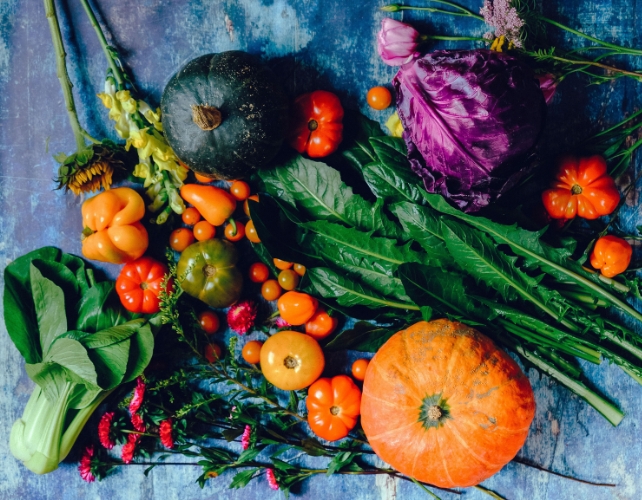
Furthermore, understanding the biological mechanisms behind aging requires looking beyond single food groups. Check out general insights into aging from the National Institute on Aging: NIA on How Long Will I Live. This debate proves that eating for longevity science is never simple; it's always political and economic. For a look at the societal implications of dietary trends, review reporting from established news outlets like Reuters: Reuters.
Gallery

Frequently Asked Questions
Does this study mean vegetarians should start eating meat immediately?
Not necessarily. The study identifies a correlation in specific, likely affluent, populations. It does not establish causation or negate the established health benefits of well-planned plant-based diets for the general population.
What are the primary confounding factors in longevity studies like this?
Socioeconomic status, access to superior healthcare, lower chronic stress, and overall quality of the food consumed (e.g., grass-fed vs. factory-farmed) are major confounding factors that often overshadow the impact of a single macronutrient.
What is the role of processed meat in longevity?
Most major health bodies strongly advise against high consumption of processed meats due to links with increased risks of cancer and cardiovascular disease, regardless of any observed correlation with extreme lifespan in certain cohorts.
How often do diet studies like this get overturned or refined?
Nutritional science is constantly evolving. Initial correlational studies often require significant replication and deeper mechanistic analysis before they become established consensus. Be skeptical of definitive claims based on single observational studies.
Related News

The Magnesium Mirage: Why Your Supplement Habit Won't Fix Your Life (And Who's Really Profiting)
Is everyone taking too much magnesium? We analyze the supplement hype, the real science, and the industry agenda behind the mineral craze.
The Longevity Lie: Why Meat Eaters Living to 100 Isn't the Victory You Think It Is
New longevity data suggests meat consumption correlates with extreme lifespan. But the real story behind this 'meat eater' breakthrough reveals a massive socioeconomic blind spot.

The Collagen Cult Collapse: Why Dermatologists Are Finally Admitting Your $50 Powder Is Snake Oil
Dermatologists are quietly admitting that ingestible collagen supplements fail to deliver on their viral beauty promises. We dissect the industry.

DailyWorld Editorial
AI-Assisted, Human-Reviewed
Reviewed By
DailyWorld Editorial