The Silent Pay War: Why Northern Ireland's Care Crisis Is a Political Time Bomb No One Is Talking About
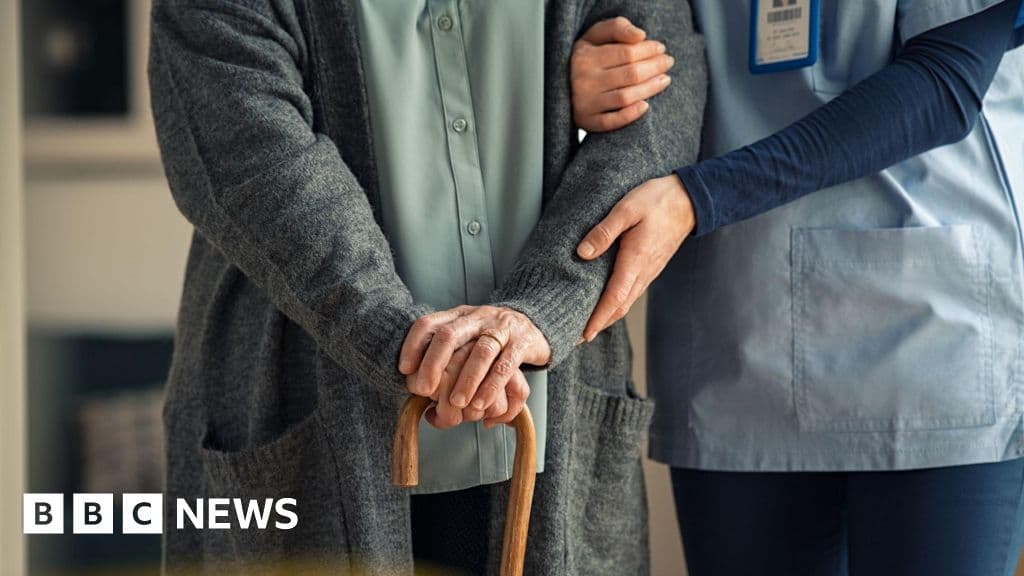
The pause in talks with independent care workers over a pay deal 'U-turn' signals a deeper crisis in Northern Ireland's health sector.
Key Takeaways
- •The pause in pay talks signals a fundamental breakdown of trust, not just a negotiation snag.
- •The crisis guarantees further strain on hospital capacity as independent care services falter.
- •The situation exposes the inherent risk of relying on underfunded private providers for essential public services.
- •Expect service disruption and higher long-term costs as the government delays proper investment.
The headlines scream about a **pay deal 'U-turn'** halting negotiations between the Northern Ireland (NI) government and independent care workers. But this isn't just a bureaucratic hiccup; it’s a catastrophic failure of governance exposing the raw, bleeding edge of the NI health system. The unspoken truth is this: the collapse of these talks doesn't just hurt carers; it guarantees the structural failure of adult social care, regardless of future political stability.
The Real Cost of the 'U-Turn'
When negotiations pause—especially after an initial agreement signaled progress—it signals deep mistrust. The core issue isn't just the hourly rate; it's the systemic devaluation of the care workforce, a cohort essential to keeping hospitals clear and vulnerable citizens safe. This workforce is the grease in the wheels of the entire Northern Ireland health economy. If they walk, patient flow stops, hospital beds clog, and the already strained public sector buckles further. This isn't about a few pounds; it’s about retaining a finite, highly specialized labor pool.
The inherent contradiction in NI politics—the reliance on private providers while simultaneously failing to fund them adequately—is now reaching its breaking point. We are witnessing the privatization paradox in real-time: externalize the cost and risk onto independent operators, then squeeze their margins until the service collapses. Who wins? Not the patients. Not the carers. The only entities that benefit are those who profit from crisis management or those who can afford private, non-state-funded alternatives.
Why This Matters: The Erosion of Trust
This situation is a profound indictment of the political vacuum that often plagues devolved administration. For years, the focus has been on grand constitutional battles, ignoring the mundane, yet vital, machinery of public service delivery. The independent care workers are the canary in the coal mine for the entire NI public sector funding model. When the government backtracks on a commitment to essential frontline staff, it sends a chilling message: your stability is conditional, and your worth is negotiable.
We must look beyond the immediate dispute. This is a microcosm of a wider UK-wide crisis in social care funding, exacerbated by the unique instability in Belfast. The failure to secure fair pay means agencies struggle to recruit, forcing existing staff into unsustainable overtime, increasing the risk of burnout and error. This directly impacts patient safety—a metric the government claims to prioritize. Analyzing this situation requires acknowledging that the social care sector is not a luxury; it is critical national infrastructure, just as vital as roads or electricity.
What Happens Next? The Inevitable Escalation
My prediction is stark: **Talks will not resume successfully until a crisis point is reached that forces the government's hand.** We are heading toward a winter where agency reliance skyrockets, driving up costs exponentially for the Department of Health, ultimately costing the taxpayer more than a fair pay deal would have in the first place. Expect localized service withdrawals in the coming months, forcing emergency contingency planning that will inevitably be more expensive and less effective. The political class is gambling that the desperation of the workers will force them back to the table on unfavorable terms. They are betting against the exhaustion of the human spirit, a bet they often lose.
The only way out involves radical transparency about the true cost of care. Until then, the **NI health** system remains tethered to an unstable foundation built on underpaid labor. This isn't just a local dispute; it's a lesson for any administration attempting to run essential services on the cheap.
Gallery





Frequently Asked Questions
What is the core reason talks paused between NI government and care workers?
Talks paused following a reported 'U-turn' or significant alteration by the government regarding the terms of a previously discussed pay settlement for independent sector care workers, leading to a breakdown in trust.
Why are independent care workers crucial to the NI health system?
Independent sector workers provide the majority of domiciliary and residential care, which is essential for discharging patients from hospitals and supporting vulnerable people in the community. Without them, hospital bed occupancy spikes dramatically.
What is the 'privatization paradox' mentioned in the analysis?
It refers to the strategy where governments externalize the cost and operational risk of essential services (like care) to private entities, only to then underfund those entities, causing the service quality to degrade or collapse, ultimately forcing an expensive public bailout or crisis management.
What high-authority source discusses the UK social care funding crisis?
The King's Fund often publishes detailed analysis on the sustainability and funding challenges facing the adult social care sector across the UK.
Related News

The Hidden Sugar Tax: Why Thailand’s Drink Crackdown Will Only Make the Elite Healthier
Thailand is forcing beverage makers to slash sugar content. But the real fallout of this public health push targets the poor, not the wealthy elite.

The Doctor Luke Award: Why Honoring Local Heroes Masks a Deep Crisis in Rural Healthcare
The Doctor Luke Award spotlights local heroes, but this East Texas recognition hides a looming **rural healthcare** collapse.

The Hidden Price of 'Miracle' Rehab: Why This Son's Physio Clinic Success is a Warning Sign for Healthcare
Beyond the heartwarming story of recovery lies a stark reality about the privatization of neuro-rehabilitation and the future of accessible healthcare.
