The Hidden Cost of Florida's Citrus Comeback: Are We Trading Flavor for Survival?

Florida's citrus industry is using advanced technology to rebound, but this victory masks a deeper crisis in agricultural resilience and flavor profiles.
Key Takeaways
- •The technological rebound masks severe cost increases, concentrating power among large, capital-rich firms.
- •There is an inherent risk that flavor profiles are being sacrificed for disease resistance and yield stability.
- •The industry is shifting from traditional farming to a high-input, technology-dependent commodity model.
- •Expect a market split between mass-produced, engineered juice and expensive heritage varieties.
The headlines scream victory: Florida citrus is staging a comeback. After years ravaged by citrus greening disease (HLB) and devastating hurricanes, new agricultural technology is reportedly pulling the industry back from the brink. But let's pull back the curtain. This isn't a fairytale ending; it's a high-stakes technological gambit where the real casualty might not be the disease, but the very essence of the Florida orange.
The Illusion of the Rebound
For over a decade, HLB has been the silent executioner of Florida's signature product. The standard narrative now focuses on precision agriculture—drones, sophisticated soil sensors, and genetically modified or edited rootstocks designed to resist the bacterial infection. This focus on agricultural technology is necessary, yes, but it also obscures a darker truth: the industry is becoming less like farming and more like high-tech manufacturing.
The unspoken truth is that maintaining yields through intensive technological intervention is astronomically expensive. Who pays? Consumers, eventually. More critically, this technological dependence centralizes power. Smaller, traditional growers who cannot afford the capital investment required for this new **citrus technology** face an impossible choice: adopt expensive solutions or be bought out. The consolidation of power among a few large, tech-forward corporations is the real winner here, not the traditional Florida farmer.
The Flavor vs. Function Trade-Off
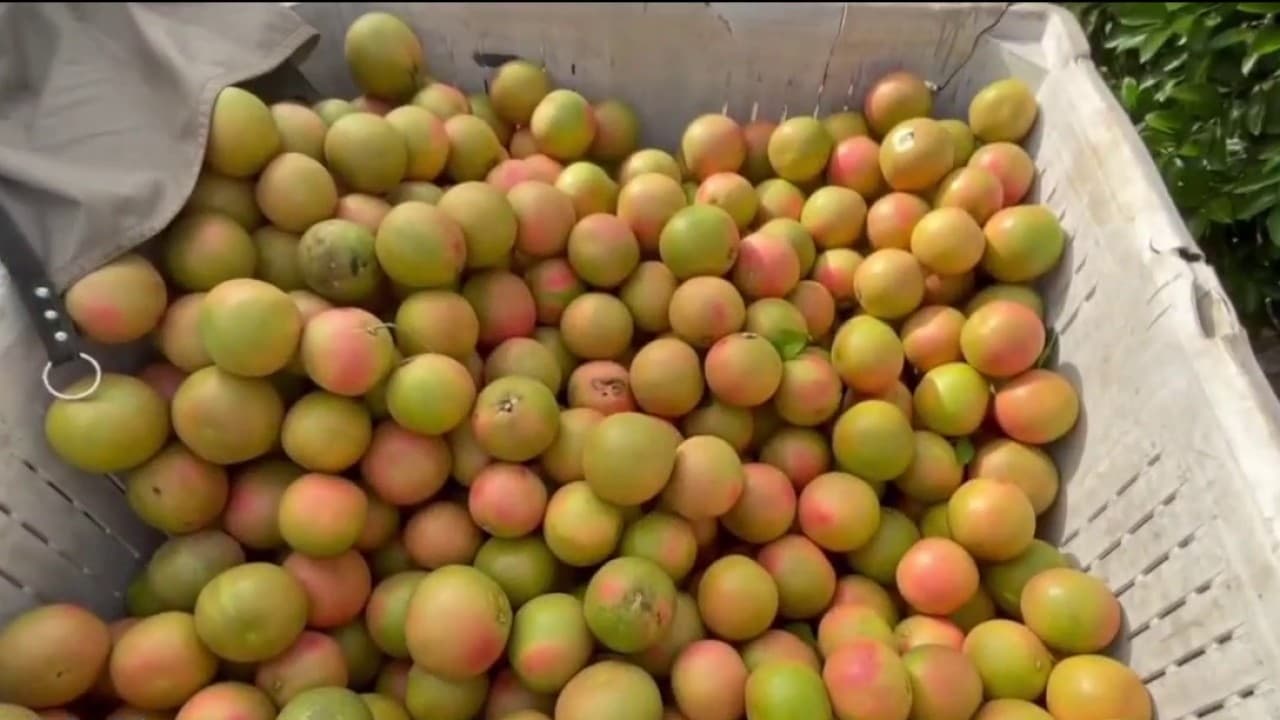
When survival is the only metric, flavor becomes a luxury. The modified trees and intensive management systems are optimized for *survival* and *yield*, not necessarily the peak Brix/acid ratio that made Florida oranges famous globally. We are engineering resilience, but potentially sacrificing the taste profile that built the market in the first place. This is the fundamental, contrarian argument: Is a genetically robust, perfectly round, but bland orange truly a win for the industry?
The reliance on engineered solutions also creates a fragile monoculture, albeit a technologically enhanced one. We are doubling down on a single crop in a single climate, protected only by proprietary technology. If a new, resistant pathogen emerges—and history shows it always does—the entire, massively invested ecosystem could collapse faster than the old one did. Read more about the history of agricultural challenges here: Wikipedia on Agricultural History.
What Happens Next? The Prediction
Within five years, the market will bifurcate sharply. We will see two distinct product lines: 1) The mass-market, technologically sustained, high-volume, moderate-flavor orange juice, primarily serving institutional buyers and soda companies. 2) A small, ultra-premium, hyper-local niche market of heritage varieties grown using prohibitively expensive organic/low-tech methods, commanding luxury prices. The middle ground—the familiar, affordable, good-tasting juice that defined Florida—will vanish. The **Florida citrus** industry is not just rebounding; it is fundamentally rebranding itself as a high-tech commodity, a shift accelerated by necessity but driven by capital. See how other agricultural sectors are adapting: Reuters on Commodities.
The long-term sustainability of this high-cost agricultural technology model remains highly questionable against global competition. The true test won't be surviving HLB; it will be surviving the next decade of inflation and energy costs required to run these high-tech orchards. This isn't just about oranges; it's about the future of high-input agriculture in the face of climate volatility. For context on the economic impact, review reports from major financial outlets, such as The New York Times.
Gallery

Frequently Asked Questions
What is the primary technology helping Florida citrus recover?
The primary technologies involve advanced rootstock engineering for disease resistance (HLB/citrus greening), precision irrigation, and drone surveillance for early detection of infected trees.
Is citrus greening disease completely gone from Florida?
No, citrus greening disease (HLB) is still endemic in Florida. The new technologies aim to manage its impact and reduce economic losses, not eradicate the bacterium entirely.
Who benefits most from the adoption of expensive new agricultural technology?
The primary beneficiaries are large agricultural corporations that can afford the substantial upfront investment in R&D, proprietary rootstocks, and monitoring systems, leading to industry consolidation.
How will this technological push affect the price of orange juice?
While initial yields may stabilize, the high operational costs associated with intensive technology use are likely to push the price of high-quality, traditionally grown juice upwards, potentially creating a bifurcated market.
Related News

The Hidden War: Why Arista, Cadence, and Palo Alto Stock Surges Signal a Tech Reckoning
Beyond the analyst hype, the quiet strength of ANET, CDNS, and PANW reveals a dangerous consolidation in the 'picks and shovels' of the AI economy.

CPAC's 2026 Tech Briefing: The Silent Coup Behind the 'Social Affairs' Facade
Forget the pleasantries. The February 12, 2026 CPAC session on Social Affairs and Technology signals a seismic shift in digital governance and **AI regulation**—and you're not invited to the boardroom.

The Hidden Cost of 'Digital Health': Why Rady and CHOC's Tech Push Isn't About Your Kids
Investigating the true winners in pediatric healthcare technology adoption, beyond the glossy press releases from Rady Children’s and CHOC.
