The AI Gold Rush: Why Tech M&A Is Drying Up for Everyone But the Titans

Fewer, larger tech M&A deals signal a brutal consolidation phase. The AI revolution isn't democratizing; it's centralizing power.
Key Takeaways
- •Tech M&A is shifting to fewer, massive deals focused on acquiring foundational AI assets (compute/data).
- •This centralization starves mid-tier innovators of necessary exit capital and forces dependence on giants.
- •The goal of current mega-deals is absolute moat-building around core AI infrastructure.
- •Expect an increase in 'Ghost Unicorns' and an internal talent migration to large, well-funded AI labs.
The AI Gold Rush: Why Tech M&A Is Drying Up for Everyone But the Titans
We are being sold a lie. The narrative around the **Artificial Intelligence revolution** suggests boundless opportunity, a Cambrian explosion of startups ready to disrupt the status quo. The reality, whispered in the backrooms of Silicon Valley, is far grimmer. The latest trend in **technology M&A**—fewer, but exponentially larger deals—isn't a sign of market health; it's a declaration of war by the incumbents. Major tech players aren't just buying competitors; they are cornering the foundational assets required to run the next generation of AI infrastructure. This isn't about acquiring a better chatbot feature. This is about acquiring **compute power**, proprietary datasets, and specialized talent pools that are suddenly orders of magnitude more valuable than they were 18 months ago. The result? A massive chilling effect on mid-market **technology mergers and acquisitions**. Why would Google or Microsoft spend billions on a small, promising AI firm when they can simply wait for the inevitable funding crunch, swoop in, and acquire the core IP for pennies on the dollar, absorbing the talent? The venture capital faucet is tightening, forcing promising companies into a binary choice: sell to a giant or die slowly.The Unspoken Truth: Consolidation is the New Strategy
The true winners in this consolidation phase are not the founders who cash out early, but the platform owners. The goal of these mega-deals is simple: **moat building**. If you control the foundational large language models (LLMs) or the specialized hardware (GPUs, custom silicon), you control the ecosystem. Smaller acquisitions are strategic plays to eliminate potential future threats or to secure niche data monopolies that feed the larger models. The noise about 'democratizing AI' is just that—noise. The underlying economic reality is that the massive capital expenditure required to train state-of-the-art AI models guarantees that only a handful of entities can play at the top tier. This centralization of power is the hidden cost of the current AI boom.Why This Matters: The Death of the Mid-Tier Innovator
Historically, M&A served as a vital exit ramp and a capital recycling mechanism for the tech ecosystem. A successful acquisition allowed founders to fund the next wave of innovation. Now, the exit ramps are being guarded. If you are an innovative mid-sized software company, you are now viewed less as an acquisition target and more as a potential supplier that *must* integrate deeply with the dominant platforms to survive. This stifles true, independent innovation. We are trading disruptive dynamism for stable, albeit centralized, efficiency. Look at the history of monopolies; this pattern is deeply familiar. As reported by The New York Times, the regulatory focus is often on consumer impact, ignoring the chilling effect on the supply side of innovation.What Happens Next? The Talent Drain and the 'Ghost Unicorn'
My prediction is a two-pronged outcome within the next three years. First, we will see the rise of the 'Ghost Unicorn'—companies valued highly on paper but with little independent operational leverage, existing solely as an asset to be absorbed by a tech titan when the time is right. Second, the best independent talent will migrate internally. Why struggle for seed funding when you can join a hyperscaler and work on problems with virtually unlimited compute budgets? The battleground shifts from who can raise the most money to who can retain the most critical engineers. This dynamic will further entrench the current leaders, making disruptive competition exponentially harder for bootstrapped or smaller VC-backed firms. The future of **technology M&A** is not about growth; it’s about total market capture, a lesson we should remember from past industrial revolutions.Frequently Asked Questions
Why are there fewer technology M&A deals happening now?
The focus has shifted from acquiring small feature sets to securing massive, non-replicable assets like proprietary data, specialized AI chips, or massive compute clusters, which only a few mega-corporations can afford.
Who truly benefits from this consolidation trend in tech?
The primary beneficiaries are the established hyperscalers (Google, Microsoft, Amazon) who can afford the high entry price, effectively eliminating future competitive threats before they mature.
Is this trend unique to the AI sector?
While exacerbated by AI due to the high cost of foundational model training, this centralization mirrors historical patterns in industries requiring massive upfront capital investment, such as railroads or early computing.
What is the risk for independent startups?
The risk is severe: reduced access to viable exit opportunities, increased pressure to license IP to giants, and an inability to compete for the necessary computational resources.
Related News

The Hidden War: Why Arista, Cadence, and Palo Alto Stock Surges Signal a Tech Reckoning
Beyond the analyst hype, the quiet strength of ANET, CDNS, and PANW reveals a dangerous consolidation in the 'picks and shovels' of the AI economy.
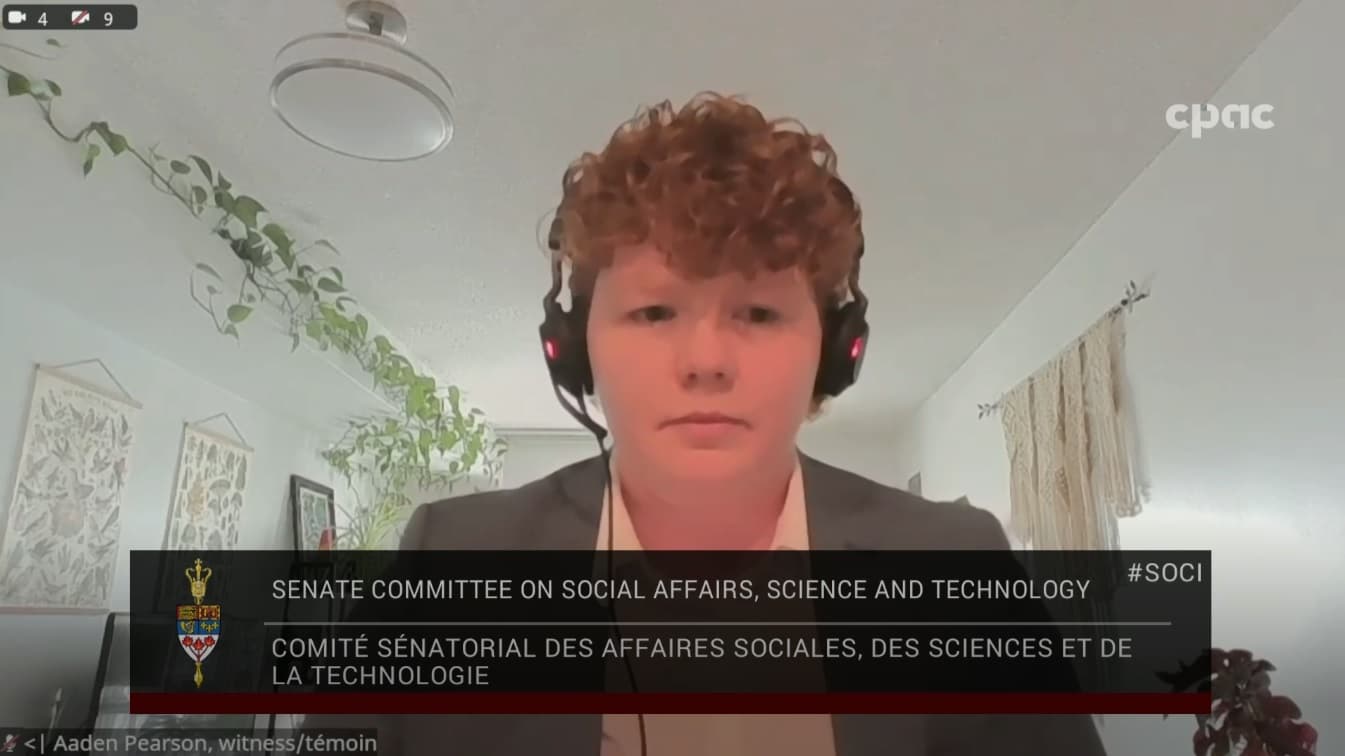
CPAC's 2026 Tech Briefing: The Silent Coup Behind the 'Social Affairs' Facade
Forget the pleasantries. The February 12, 2026 CPAC session on Social Affairs and Technology signals a seismic shift in digital governance and **AI regulation**—and you're not invited to the boardroom.

The Hidden Cost of 'Digital Health': Why Rady and CHOC's Tech Push Isn't About Your Kids
Investigating the true winners in pediatric healthcare technology adoption, beyond the glossy press releases from Rady Children’s and CHOC.

DailyWorld Editorial
AI-Assisted, Human-Reviewed
Reviewed By
DailyWorld Editorial