The Hidden Cost of Faith: Why Religious Doctrine is the Silent Killer in Women's Healthcare
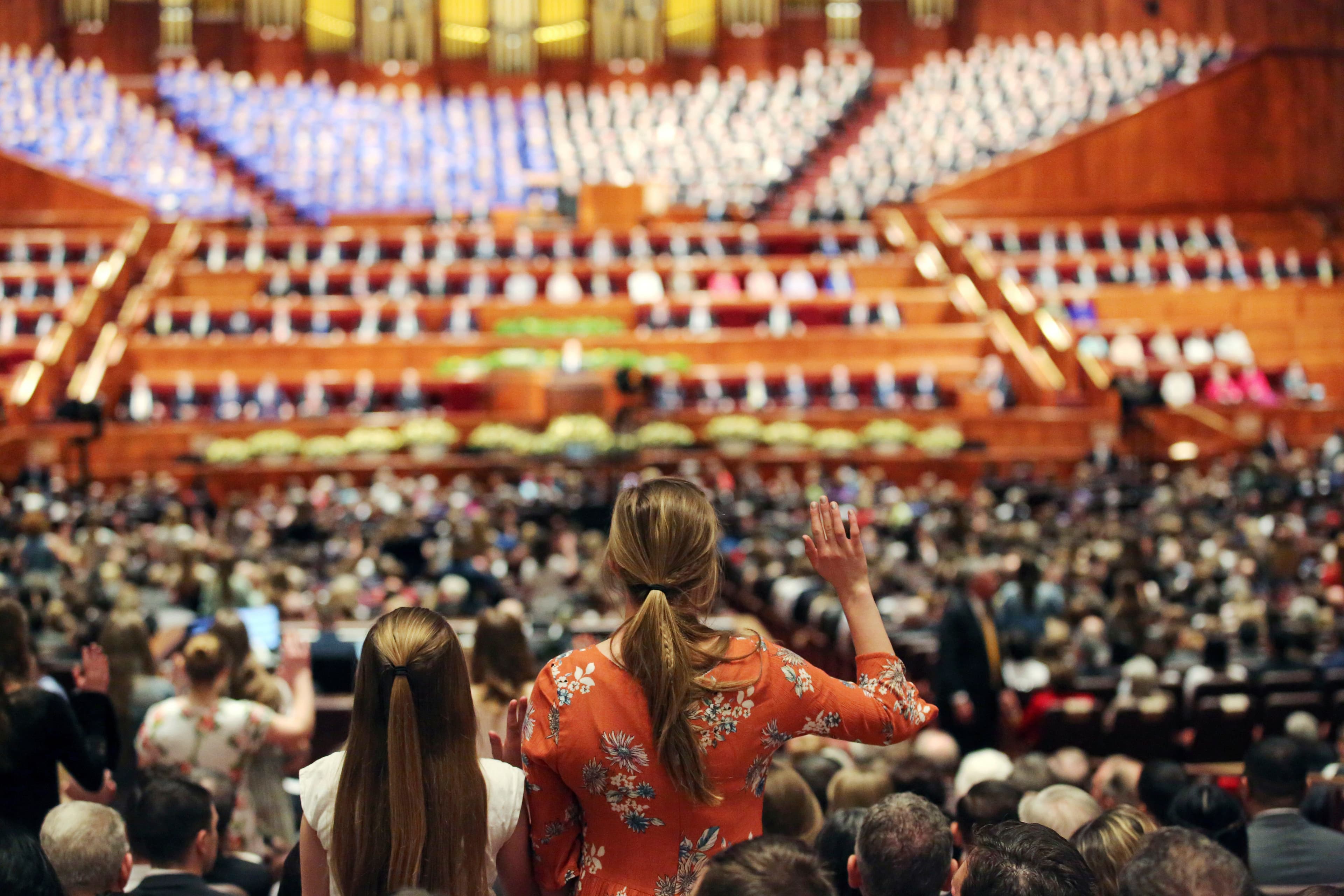
The collision of entrenched religious doctrine and modern healthcare is creating a silent crisis in women's health, exposing systemic vulnerabilities.
Key Takeaways
- •Religious mandates, when dictating medical decisions, create measurable negative public health outcomes.
- •The economic dependence of many women under these structures enforces compliance, turning 'choice' into 'coercion'.
- •The true beneficiaries of doctrinal control are the institutions, not the individual patients.
- •Future trends suggest a parallel healthcare system emerging to bypass institutional barriers.
The Unspoken Truth: Faith as a Barrier to Medical Autonomy
Recent public discourse, highlighted by commentary in outlets like The Salt Lake Tribune, focuses on the tension between religious mandates and **women’s health** outcomes. But this isn't just about access to contraception; it's about systemic control masquerading as piety. The real story isn't the clash; it's the **healthcare disparity** that emerges when institutional dogma supersedes evidence-based medicine. Who benefits when women are forced to delay critical screenings or reject necessary treatments due to doctrinal pressure? The answer is always the institution, never the patient. We are witnessing a slow-motion crisis in reproductive autonomy, deeply rooted in patriarchal structures within certain faith communities. When religious leaders dictate medical choices, the resulting **women's health** outcomes—higher maternal mortality rates, delayed cancer diagnoses, and suppressed mental health—become an undeniable public health burden, not just a private matter of conscience. This isn't merely a cultural difference; it is a quantifiable failure of public health infrastructure to protect vulnerable populations operating under duress.The Economic Fallout of Dogma
Consider the economics. When preventative care is shunned, the cost shifts. Delayed diagnoses mean more expensive, aggressive treatments later, draining community resources and increasing insurance burdens for everyone. The insistence on traditional roles often means women are financially dependent, making the decision to defy religious leadership—and potentially face social ostracization—an economic impossibility. This dynamic ensures the cycle of poor **healthcare disparity** continues. It’s a market failure where individual well-being is sacrificed for doctrinal purity, and the state often turns a blind eye, citing religious freedom. This issue transcends specific denominations; it’s about the power dynamic inherent in any system that prioritizes ancient texts over modern medical consensus. We must analyze religious exemptions not as benign accommodations but as active mechanisms creating measurable negative externalities in public health statistics. The conversation around **women's health** must fundamentally shift from 'choice' to 'coercion' when economic and social penalties for non-compliance are so severe.What Happens Next? The Inevitable Secularization of Care
My prediction is stark: We will see a significant, albeit slow, fracturing. As younger generations become increasingly secularized and medically literate, the gap between institutional teaching and personal necessity will become untenable. Expect increased litigation challenging religious exemptions in employment and service provision related to healthcare. Furthermore, expect a rise in underground or alternative networks providing medically sound advice and services to circumvent institutional barriers. This won't lead to immediate reform within the religious bodies themselves, but it will create two parallel health systems: one for the faithful who comply, and one for the pragmatic who survive. This trend forces a reckoning: societies must decide if religious freedom permits the active undermining of established public health standards. For a truly equitable future, the answer must be a resounding no. Ignoring this deep-seated issue ensures that **healthcare disparity** remains a permanent fixture for millions.Gallery


Frequently Asked Questions
What is the primary argument against religious exemptions in healthcare?
The primary argument is that religious exemptions, when applied broadly, can actively impede access to medically necessary services, thereby creating demonstrable public health risks and exacerbating existing healthcare disparity for vulnerable populations.
How does sexism within religious structures impact patient compliance?
Sexism often establishes patriarchal authority, making it socially or economically dangerous for women to question or defy leadership regarding medical treatment, leading to delayed care or adherence to harmful traditional practices.
Are there documented cases where religious beliefs directly caused negative women's health outcomes?
Yes, numerous reports link restrictions on reproductive health services, often religiously motivated, to higher rates of unintended pregnancy, increased maternal morbidity, and delayed screening for cancers, which are all well-documented areas of concern in public health.
What is the 'hidden cost' of this conflict?
The hidden cost is the long-term economic burden placed on the public health system due to preventable complications arising from delayed or refused care, alongside the erosion of medical autonomy for individuals.
Related News
The Hidden Cost of Diabetes Tech: Why 'Affordable Access' Is a Trojan Horse for Pharma Profit
The unified call for affordable diabetes technology masks a deeper regulatory battle. Who truly benefits from this 'access' push?

The Accreditation Shell Game: Why the Huntsman Mental Health 'Win' is Actually a Red Flag for Future Healthcare Education
The University of Utah's new accreditation isn't just a win; it signals a dangerous corporatization of vital **mental health education** and **healthcare training**.

The Digital Ghost Town: Why New Zealand's Pae Ora Health IT Overhaul Is Failing the Front Lines
The massive Pae Ora health restructure promised digital transformation, yet frontline performance lags. We expose the hidden bureaucratic inertia crushing IT progress.
