The GLP-1 Illusion: Why Exploding Drug Spending Hides the Real Health Insurance Collapse
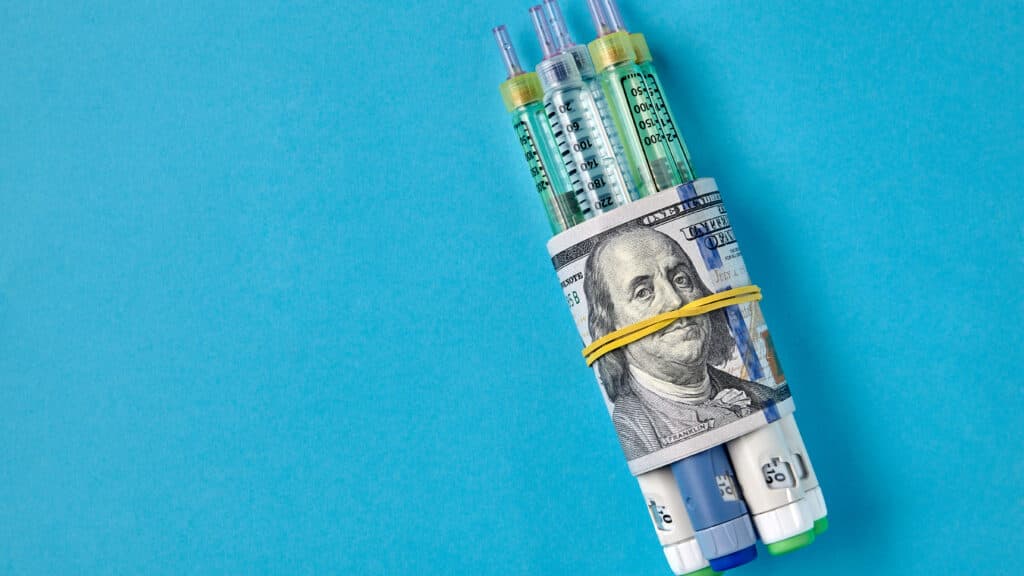
GLP-1s are bankrupting health insurers faster than predicted. This isn't just about weight loss; it's a systemic failure.
Key Takeaways
- •GLP-1 spending is causing immediate, structural deficits for health insurers, not just minor increases.
- •The true winners are pharmaceutical companies leveraging high prices against inelastic demand.
- •Expect insurers to aggressively restrict access or dramatically raise premiums/deductibles for all members.
- •This event exposes the fundamental fragility of employer-sponsored health coverage in the US.
The Hook: The Cost of Thinness is Bankrupting America
Forget the headlines celebrating weight loss miracles. The real story behind the explosive growth in GLP-1 drugs spending isn't about public health victories; it’s about a looming financial catastrophe for health insurers and employers. We are witnessing a massive, unbudgeted transfer of wealth driven by a handful of highly effective, yet astronomically priced, medications. The narrative of wellness is obscuring the cold, hard reality of actuarial tables.
The data is stark: major health plans are reporting staggering increases in prescription drug utilization, almost entirely fueled by GLP-1 agonists like Ozempic and Wegovy. This isn't incremental growth; it's a structural shockwave. But the prevailing media narrative focuses on the patient benefit, ignoring the crucial question: Who is actually footing this unsustainable bill, and what happens when the premiums triple?
The Meat: Following the Money Trail Beyond the Pharmacy Counter
The immediate impact is felt by payers—insurers and self-insured employers. These companies operate on razor-thin margins, balancing risk against premium collection. The unexpected, massive uptake of these high-cost therapies (often exceeding $1,000 per month per patient) creates an immediate deficit. This spending explosion is fundamentally changing the risk profile of millions of insured lives almost overnight.
The Unspoken Truth: The Pharma Playbook Wins Again. The real winners aren't the patients finally achieving health goals; it’s the pharmaceutical giants who successfully lobbied for, and priced, a product that solves a massive societal problem with zero competition in the high-efficacy space. They have engineered a situation where demand is inelastic—people *need* these drugs—and supply is tightly controlled. This isn't market competition; it’s strategic price extraction.
For the average American worker, this translates directly to pain. Insurers will not absorb this cost. They will pass it on. Expect to see deductibles soar, co-pays for other essential medications rise, and, critically, many employers will be forced to drop comprehensive coverage entirely, creating a two-tiered system: the wealthy who can afford the drugs and the subsidized, or the masses who are excluded.
Why It Matters: The End of Affordable Coverage?
This isn't just about obesity drugs; it's a precedent for all future breakthrough therapies. If a drug class that treats a chronic, widespread condition can immediately derail the finances of major insurers, the entire model of employer-sponsored health insurance in the US is fragile. We are seeing the fragility of the current system exposed by medical innovation, not by mismanagement.
Consider the downstream effects. If employers stop covering these drugs, patients revert to older, less effective treatments, or worse, no treatment, leading to higher long-term medical costs that will eventually cycle back to the system through emergency care and disability claims. This spending surge is not a one-time event; it is the new baseline cost of managing metabolic disease in America. We must look at the long-term cost-effectiveness, not just the immediate quarterly earnings reports of insurers. For context on the scale of drug costs, see recent analyses from organizations like the Kaiser Family Foundation.
Where Do We Go From Here? The Inevitable Reckoning
My prediction: Within 18 months, we will see major pharmaceutical benefit managers (PBMs) and insurers aggressively restrict access to GLP-1s, moving them from Tier 1 or Tier 2 preferred status to highly restricted specialty tiers, requiring months of prior authorization and proof of failure on cheaper alternatives. This will cause significant backlash, fueling political debate far beyond simple drug pricing. Furthermore, expect a massive pivot in R&D investment toward oral versions of these drugs, which, while still expensive, will offer insurers slightly more control over dispensing and potentially lower administration costs.
The next major battle won't be about whether these drugs work, but about who gets to pay for them, and whether employers can afford to remain in the health insurance business at all. The illusion of affordable, comprehensive coverage is cracking under the weight of medical success.
Gallery

Frequently Asked Questions
What exactly are GLP-1 drugs causing this spending explosion?
GLP-1 receptor agonists are a class of injectable and oral medications, originally developed for Type 2 diabetes, that have shown significant efficacy for weight management. Their high monthly cost, combined with widespread off-label or on-label use for obesity, is driving the surge in prescription drug spending.
Who is actually paying the increased cost for GLP-1s?
Initially, the cost is absorbed by the health plan or self-insured employer. However, this cost is inevitably passed on to consumers through higher premiums, higher deductibles, and increased out-of-pocket maximums for all plan members, even those not taking the medication.
Will insurance coverage for GLP-1s become harder to get?
Yes. As spending explodes, insurers are highly motivated to implement stricter utilization management protocols, such as requiring documentation of failure on cheaper drugs or imposing higher co-pays, effectively restricting access to manage their financial risk.
Are there any long-term cost benefits to using these drugs?
Proponents argue that long-term use will reduce chronic disease complications (like heart attacks and strokes), lowering overall healthcare costs. However, these savings are projected over many years, while the high drug costs are immediate, creating a financial mismatch for current payers.
Related News
The Quiet Takeover: Why Charleston's CAMC Merger With Vandalia Health Is Not About Care, But Control
The Charleston Area Medical Center's shift to Vandalia Health signals a seismic power shift in West Virginia healthcare, moving beyond mere branding.

The Frailty Fixation: Why The Elderly Care Industry Is Hiding The Real Cost of Longevity
The global focus on 'tackling frailty' in our aging population masks a brutal economic reality. Who profits when we merely delay decline?

The Billion-Dollar Silent Strike: Why Menopause Is Secretly Collapsing Women's Careers
Forget vague wellness talk. New research reveals the brutal economic toll of menopause, exposing a systemic failure in labor policy.
