The Frailty Fixation: Why The Elderly Care Industry Is Hiding The Real Cost of Longevity

The global focus on 'tackling frailty' in our aging population masks a brutal economic reality. Who profits when we merely delay decline?
Key Takeaways
- •The focus on 'tackling frailty' primarily benefits the care industry by extending revenue streams, not necessarily curing decline.
- •Delaying frailty effectively socializes the cost of prolonged dependency across the entire working population.
- •Systemic issues like social isolation are often ignored in favor of logistical/physical interventions.
- •Expect future policy to pivot towards mandatory or heavily incentivized 'active contribution' from healthy seniors to offset costs.
The headlines are soft, reassuring: new reports scream that tackling frailty is the key to sustainable elderly care for our ballooning senior demographic. It sounds compassionate, preventative—a victory for public health. But let’s cut through the PR noise. This obsession with delaying frailty isn't just about better lives; it’s about managing a looming fiscal catastrophe.
The Unspoken Truth: Managing Decline, Not Curing It
When experts talk about combating frailty, they are rarely discussing revolutionary medical breakthroughs. They are discussing optimized logistics for managing an expanding cohort of high-maintenance individuals. The true winners here are not the patients, but the infrastructure built around managing prolonged, low-intensity dependency. Think insurance giants, specialized pharmaceutical firms peddling supplements, and the massive, often underpaid, workforce in the aging population sector.
The hidden agenda? To extract maximum economic value from the final decade of life. If we successfully delay frailty by five years, we don't save the state five years of expensive acute care; we simply extend five years of subsidized, managed care. This converts chronic, manageable decline into a guaranteed, decades-long revenue stream for the 'age-tech' and care industries. It’s a brilliant, if cynical, business model.

Deep Dive: The Economic Drag of 'Extended Middle Age'
We are witnessing a cultural shift where the definition of 'old' is being stretched thin. While this sounds progressive, it strains the working-age population disproportionately. The cost of living longer is being socialized, while the benefits—the wisdom, the experience—are often sidelined. Longevity is becoming an economic burden disguised as a societal triumph. We must confront the reality that delaying frailty requires massive, continuous resource allocation that diverts funds from education, infrastructure, and younger demographics.
The current strategy demands that we treat aging as a problem solvable by better monitoring and minor physical intervention. This ignores deep, systemic issues like social isolation, poor nutrition access outside institutional settings, and the crushing weight of loneliness—factors that accelerate frailty far faster than a weak gait. (For context on demographic shifts, see analyses from the Reuters archives on global aging trends).
What Happens Next? The Prediction
The current incremental approach will fail to stem the tide of dependency ratios. My prediction: Within seven years, major developed economies will be forced to pivot from merely 'tackling frailty' to aggressively promoting 'active retirement contribution.' Expect legislation that mandates—or heavily incentivizes—seniors who are deemed 'non-frail' to remain in the workforce, perhaps through subsidized part-time roles or mandatory mentorship programs. The narrative will shift from protecting the elderly to extracting value from the 'long-lived healthy' cohort. Those who successfully avoid frailty will find themselves socially obligated, if not legally required, to subsidize those who cannot.
The alternative—massively increased taxation on the young—is politically suicidal. Therefore, the market will demand productivity, even from the ostensibly retired. This is the inevitable collision between demographic reality and fiscal necessity.
Frequently Asked Questions
What is the primary economic concern regarding the aging population?
The primary concern is the increasing dependency ratio—the number of non-working seniors relative to the working population—which strains pension systems, healthcare budgets, and social security funds, demanding massive resource reallocation.
How does 'tackling frailty' differ from curing age-related diseases?
Tackling frailty focuses on maintaining functional independence through physical and logistical support to delay the need for high-cost acute care. Curing diseases targets the root biological causes of morbidity, which is a much higher bar.
Who benefits most from the current focus on frailty management?
The primary beneficiaries are companies specializing in assistive technologies, specialized long-term care facilities, and pharmaceutical/supplement providers targeting mobility and energy maintenance, as they profit from managed decline.
What is the contrarian view on increasing longevity?
The contrarian view is that uncontrolled longevity without corresponding productivity gains creates an unsustainable economic drag, shifting focus from societal investment to perpetual maintenance of the oldest cohort.
Related News
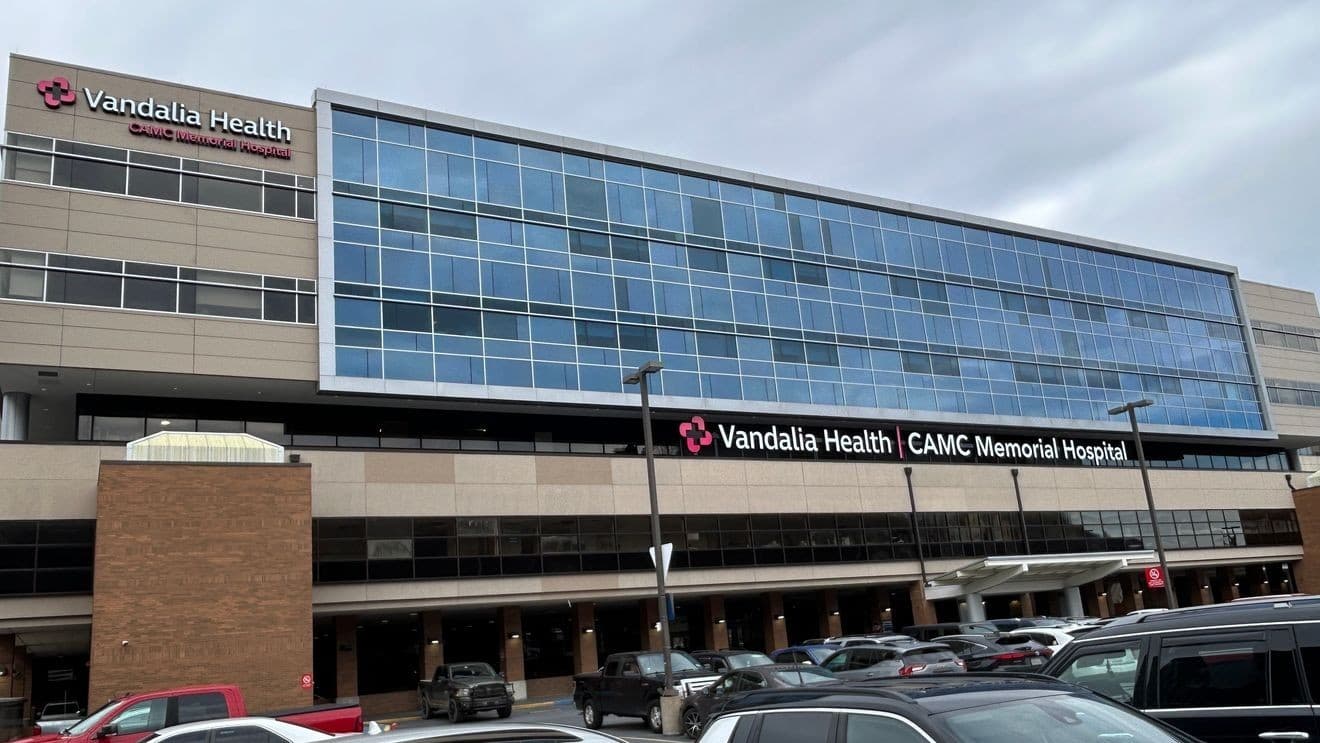
The Quiet Takeover: Why Charleston's CAMC Merger With Vandalia Health Is Not About Care, But Control
The Charleston Area Medical Center's shift to Vandalia Health signals a seismic power shift in West Virginia healthcare, moving beyond mere branding.

The GLP-1 Illusion: Why Exploding Drug Spending Hides the Real Health Insurance Collapse
GLP-1s are bankrupting health insurers faster than predicted. This isn't just about weight loss; it's a systemic failure.

The Billion-Dollar Silent Strike: Why Menopause Is Secretly Collapsing Women's Careers
Forget vague wellness talk. New research reveals the brutal economic toll of menopause, exposing a systemic failure in labor policy.
