The Flu Deception: Why 'Peaking' is the Vaccine Industry's Best-Kept Secret

Forget the peak flu figures. The real story is the systemic failure and who profits when seasonal illness becomes a permanent fixture.
Key Takeaways
- •The narrative of the 'flu peak' masks a systemic reliance on cyclical pharmaceutical intervention rather than robust public health infrastructure.
- •High hospitalization figures, even declining ones, justify significant procurement contracts for antivirals and next year's vaccines.
- •Eroding public trust is a direct result of inconsistent messaging regarding annual vaccine efficacy rates.
- •Expect the medical establishment to normalize endemic flu seasonality to secure long-term funding streams.
The Flu Deception: Why 'Peaking' is the Vaccine Industry's Best-Kept Secret
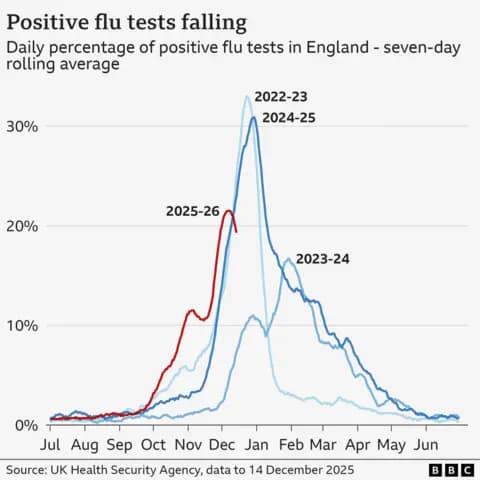
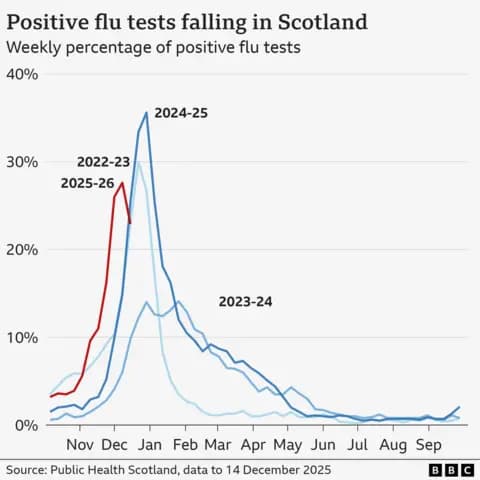
The headlines scream relief: Has flu peaked? The data suggests a slow descent from the seasonal apex, offering a collective sigh of exhausted public health officials. But let's be clear: this isn't a victory. It’s a managed cycle. The real story behind the latest seasonal influenza statistics isn't about viral attenuation; it's about systemic dependency and the quiet consolidation of power within the global health apparatus. We are constantly chasing the tail of the virus, and someone is making a fortune off the chase.
The Illusion of Control: Analyzing the 'Peak' Narrative
When we discuss the seasonal influenza peak, we are looking at lagging indicators—hospitalizations, confirmed PCR tests—data that confirms what we already felt weeks ago. The narrative focuses narrowly on whether this year’s H3N2 strain was 'worse' than last year's. This misses the forest for the trees. The crucial question, which no major outlet dares to foreground, is why our sophisticated modern healthcare systems remain so fundamentally vulnerable to a virus we've tracked for decades?
The answer lies in the profit motive inherent in perpetual crisis management. High hospitalization rates, even if declining, justify massive governmental procurement contracts for antivirals and, crucially, next year's vaccine formulations. The cycle demands a certain level of endemic chaos to maintain funding streams and public compliance with annual health advisories. If the flu were truly 'defeated' or managed with superior public health infrastructure (think Taiwan’s rapid response models), the pharmaceutical complex would see a significant downturn. Therefore, the 'peak' is less a sign of successful containment and more a signal that the industry is preparing for the next fiscal quarter.
The Unspoken Losers: Primary Care and Public Trust
Who truly loses when the conversation revolves solely around vaccination rates and peak numbers? It’s the primary care sector, already buckling under the weight of managing chronic conditions exacerbated by acute respiratory infections. Furthermore, the constant, often contradictory messaging around vaccine efficacy—which shifts annually—erodes public trust faster than any conspiracy theory. When the public sees that the flu shot is only partially effective, yet still mandated or heavily promoted, skepticism hardens. This skepticism isn't misplaced; it’s a rational response to repeated performance gaps.
Consider the economic impact. Lost workdays, strain on supply chains, and the sheer administrative cost of managing this recurring seasonal disruption dwarf the cost of true preventative infrastructure investment. We are paying a premium for a temporary, partial solution rather than investing in robust, resilient community health.
What Happens Next? The Prediction of 'Endemic Flu Seasonality'
We will not see the end of seasonal influenza in the next decade. Instead, expect the medical establishment to formally redefine seasonal influenza as a permanent, manageable endemic feature, much like the common cold, but with higher stakes. This shift allows for continuous R&D funding without the pressure of 'eradicating' the threat. Future policy will pivot away from 'stopping' the flu to 'mitigating the burden' on hospitals, further cementing the role of Big Pharma in managing the outcome rather than eliminating the cause. Look for increased integration of rapid testing and targeted antiviral distribution—a system designed for rapid triage, not prevention.
The data you see is curated. The 'peak' is a milestone on an endless treadmill. Until we demand investment in holistic public health resilience over cyclical pharmaceutical interventions, the flu season will always be profitable for someone.
Gallery



Frequently Asked Questions
What is the difference between endemic and epidemic influenza?
An epidemic refers to a sudden, unexpected increase in the number of cases of a disease above what is normally expected in a specific population. Endemic means the disease is constantly present in the population at predictable baseline levels, which is the state health experts predict for seasonal flu going forward.
Why is flu vaccine efficacy often less than 50%?
Flu vaccine effectiveness varies widely depending on the match between the vaccine strains and the circulating strains, as well as the recipient's immune status. The difficulty lies in predicting the dominant strains months in advance, which requires sophisticated modeling based on global surveillance data (e.g., WHO centers).
Who benefits most from recurring seasonal flu outbreaks?
Pharmaceutical companies specializing in influenza vaccines and antivirals (like Tamiflu or Xofluza) benefit significantly from the guaranteed annual demand driven by predictable seasonal spikes and the need for updated formulations.
Are there non-pharmaceutical interventions that could significantly reduce flu spread?
Yes. High-quality ventilation standards in public buildings, robust national sick-leave policies, and improved hygiene education have significant, though often underfunded, potential to reduce transmission rates compared to relying solely on vaccination.
Related News

The Silent Power Grab: Why VCU Health's Hope Pharmacy Acquisition Signals a Healthcare Monopoly Shift
VCU Health's purchase of Hope Pharmacy isn't about better service; it's a calculated move in the fierce **academic medical center** consolidation war. Unpacking the real winners.
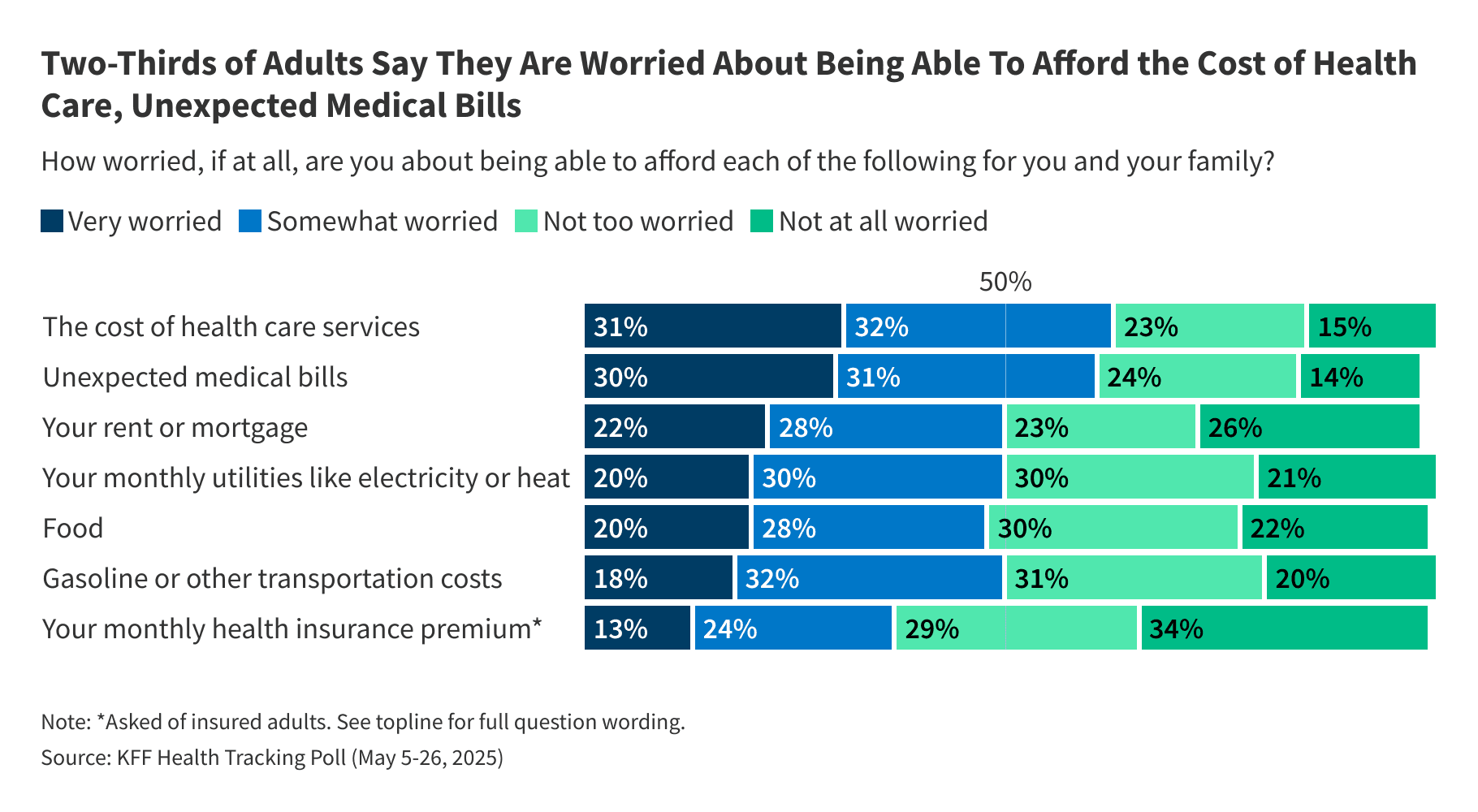
The Hidden Cost Crisis: Why Your Health Insurance Is an Illusion of Security
Forget premiums. The real American healthcare crisis isn't about access; it's about the crushing weight of **medical debt** and the illusion of coverage.

Veganuary 2026: The Hidden Corporate Power Grab Behind Your 'Healthy' Resolutions
Forget the health fad. The real story behind the booming Veganuary movement isn't your wellness; it's the seismic shift in food industry profits and manufactured guilt.
