The Billion-Dollar Lie: Why the 'Obesity Epidemic' is Actually a Symptom of a Collapsed Food System

The global rise in obesity isn't just about willpower; it's about systemic failure. Unpacking the hidden economics of modern weight gain.
Key Takeaways
- •The core driver of rising obesity is the subsidized, industrial production of cheap, hyper-palatable processed foods.
- •Current medical focus on individual treatment ignores the systemic economic and regulatory failures enabling the crisis.
- •Expect regulatory 'sin taxes' on unhealthy ingredients within the next decade due to unsustainable healthcare costs.
- •The problem is less about willpower and more about an environment engineered to promote overconsumption.
The Billion-Dollar Lie: Why the 'Obesity Epidemic' is Actually a Symptom of a Collapsed Food System
We are drowning in data about **obesity rates** and public health crises. The World Health Organization (WHO) constantly flags rising numbers, framing it as a failure of individual discipline. This is the first, most damaging half-truth. The real story behind the surging **global obesity** figures isn't about laziness; it's about engineered scarcity, economic incentives, and the deliberate degradation of the human diet. ### The Manufactured Crisis: Who Really Wins? When you look at the sheer scale of the problem—a staggering health challenge impacting billions—you must ask: Cui bono? Who benefits from a population that requires constant, expensive medical intervention? The answer is not the local farmer. The winners are the massive agro-industrial complexes that profit from cheap, shelf-stable, hyper-palatable inputs: high-fructose corn syrup, refined oils, and ultra-processed foods. These products are designed for maximum profit and minimum nutritional value. They are cheap to produce, easy to distribute globally, and biologically addictive. This isn't an accident; it's the logical endpoint of prioritizing shareholder value over public wellness. The sheer scope of **weight management** issues masks the industrial design. ### Deep Dive: The Economics of Empty Calories Modern agriculture has optimized for yield and cost, not nutrient density. We have flooded the market with cheap calories that spike insulin and drive hunger signals, creating a vicious cycle. Why is an apple more expensive than a bag of neon-colored chips? Because the inputs for the chips—corn, soy—are heavily subsidized, while the true cost of environmental degradation and subsequent healthcare burden is externalized onto society. This forces low-income populations, who are often the hardest hit by these trends, into a corner where the least healthy option is often the only financially viable one. This isn't a health issue; it’s an economic policy failure disguised as a personal failing. ### The Contrarian View: Medicine is Treating the Symptom, Not the Disease Pharmaceutical solutions, while offering temporary relief for some, perpetuate the lie that this is a purely metabolic problem requiring a pill. While GLP-1 agonists are revolutionary, they are treating the biological response to a poisoned environment. We need regulatory intervention that targets the source: the chemical composition and marketing of food products. Until we mandate nutritional transparency and penalize the production of nutritionally void bulk goods, we are simply applying expensive bandages to a systemic arterial bleed. The focus must shift from individual behavioral modification to corporate accountability. (For context on the scale of the issue, see the WHO's data on noncommunicable diseases). ### What Happens Next? The Prediction In the next decade, expect a stark bifurcation. On one side, the affluent will increasingly opt out, paying a premium for 'clean,' whole foods and longevity-focused medicine, viewing processed food as a toxic pariah product. On the other, the majority will remain tethered to the subsidized, ultra-processed food environment, leading to a widening gap in life expectancy based purely on wealth. Governments, facing unsustainable healthcare costs, will eventually be forced to implement heavy taxation on sugar and refined ingredients, not as a health measure, but as a fiscal necessity. This will spark massive industry backlash, framing it as 'nanny state' overreach, but the financial pressure will win out. *** **Key Takeaways (TL;DR)** * The **obesity epidemic** is primarily driven by the economic structure of the modern food supply, which favors cheap, addictive, low-nutrient calories. * The system is designed to profit from chronic metabolic illness; treating symptoms with drugs ignores the root cause. * Expect increasing social stratification based on access to genuinely nutritious food. * Regulatory intervention focusing on food input costs and subsidies is inevitable, though fiercely resisted.Frequently Asked Questions
What is the WHO's current definition of overweight and obesity?
The WHO defines overweight and obesity as abnormal or excessive fat accumulation that may impair health, usually measured by Body Mass Index (BMI). A BMI of 25.0 to 29.9 is considered overweight, and a BMI of 30.0 or higher is considered obese.
Are modern weight-loss drugs addressing the root cause of obesity?
No. Drugs like GLP-1 agonists treat the downstream metabolic symptoms (appetite control, insulin resistance) caused by an environment saturated with poor nutrition. They do not fix the broken food system that drives the initial weight gain.
Why are unhealthy foods often cheaper than healthy foods?
This is due to massive government subsidies for commodity crops like corn and soy, which form the base of ultra-processed foods. These subsidies artificially lower the cost of unhealthy ingredients while the true societal costs (healthcare, environmental damage) are paid later by the public.
Related News

The Silent Power Grab: Why VCU Health's Hope Pharmacy Acquisition Signals a Healthcare Monopoly Shift
VCU Health's purchase of Hope Pharmacy isn't about better service; it's a calculated move in the fierce **academic medical center** consolidation war. Unpacking the real winners.
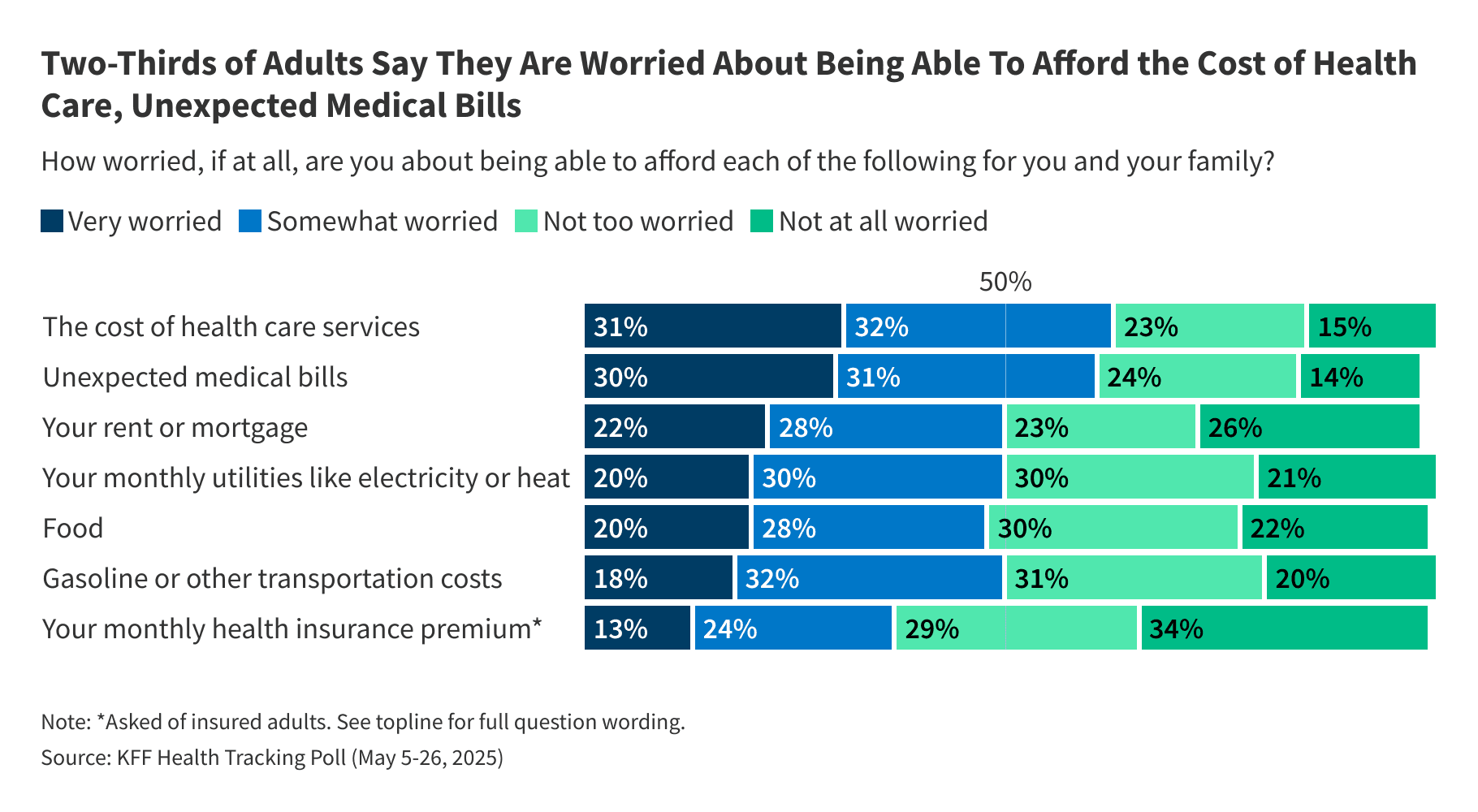
The Hidden Cost Crisis: Why Your Health Insurance Is an Illusion of Security
Forget premiums. The real American healthcare crisis isn't about access; it's about the crushing weight of **medical debt** and the illusion of coverage.

Veganuary 2026: The Hidden Corporate Power Grab Behind Your 'Healthy' Resolutions
Forget the health fad. The real story behind the booming Veganuary movement isn't your wellness; it's the seismic shift in food industry profits and manufactured guilt.
