SCHD26 Exposed: Why This Cancer Summit Is A Distraction, Not A Solution
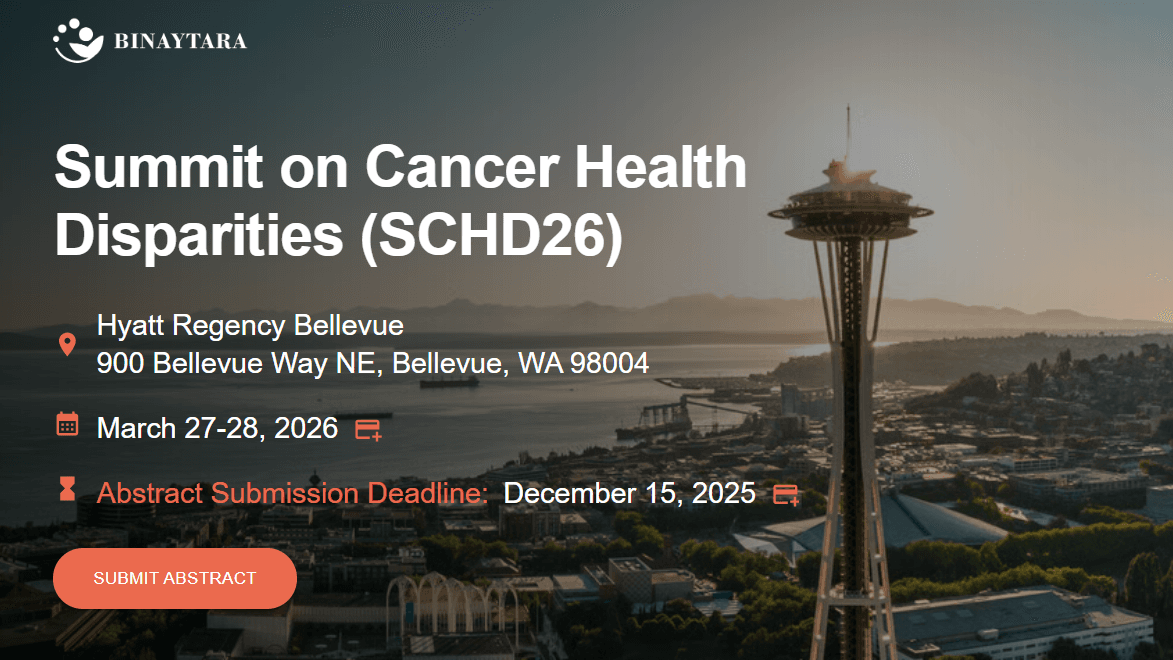
The recent Summit on Cancer Health Disparities (SCHD26) promised change, but the real fight against cancer health disparities is being ignored.
Key Takeaways
- •The SCHD26 summit prioritized optics and managed expectations over enacting structural economic changes needed to truly address disparities.
- •The primary beneficiaries of these discussions are institutions securing future funding, not necessarily the most vulnerable patient populations.
- •Future policy focus will likely shift toward technological fixes (like AI) to avoid addressing the core issue: the high cost of cancer treatment.
- •Genuine progress requires regulatory action on drug pricing and mandatory investment in community-level preventative screening.
The Illusion of Progress at SCHD26: Following the Money Trail in Cancer Health
The air following the Summit on Cancer Health Disparities (SCHD26) is thick with the usual platitudes about equity and access. But let’s cut through the noise. When major pharmaceutical executives and policy makers gather to discuss cancer health disparities, the conversation is rarely about structural reform; it’s about managing optics while preserving profit margins. This summit, ostensibly designed to bridge the gap in oncology outcomes, is the latest iteration of a well-worn political theater.
The core issue—the crushing cost of novel therapies and the systemic disinvestment in community-based early screening—was conspicuously sidelined. We heard commitments to 'expand outreach,' but where is the commitment to radically restructure payment models that make life-saving drugs unattainable for vulnerable populations? That is the unspoken truth: true equity demands dismantling the economic barriers erected by Big Pharma, not just offering more brochures in underserved clinics. This is about market control disguised as public service.
The Real Winners and Losers of the Disparity Talk
Who truly benefits from this recurring dialogue on health equity? The winners are the institutions that secure future grant funding and the public relations departments that can now claim they are 'engaging' with the problem. They get to look proactive without actually sacrificing any revenue derived from high-cost, specialized treatments. The losers are the patients in rural Alabama or inner-city Detroit who will continue to receive late-stage diagnoses because the infrastructure for affordable, routine oncology screening remains woefully inadequate.
The analysis must move beyond mere access to treatment and focus on access to prevention and early detection. Until we see binding legislation that caps the cost of breakthrough oncology drugs or mandates investment in primary care infrastructure across socio-economic lines, these summits are just expensive networking events. The data on disparities is clear; we don't need more summits to confirm them. We need regulatory teeth. For context on the scale of the economic challenge, look at the spiraling costs documented by organizations like the Kaiser Family Foundation.
Where Do We Go From Here? A Prediction for Oncology
The next 18 months will see an intensification of the 'AI diagnosis' narrative. Expect major announcements promising that artificial intelligence will solve the diagnostic gap, allowing for cheaper, faster screening in remote areas. This is the technological sleight of hand designed to distract from the core financial problem. While AI in diagnostics is promising—and a key area for future cancer treatment development—it will not magically solve insurance gaps or the refusal of health systems to invest in ground-level screening programs.
My prediction: SCHD27 will feature even more breathless announcements about pilot programs using AI, while the actual mortality rates for late-stage cancers in low-income brackets will remain stubbornly high. The systemic inertia against genuine price control is too powerful. We are witnessing the professionalization of awareness without the professionalization of fundamental change.
The conversation needs to shift from *caring* for the sick to *preventing* the sick. Until then, SCHD26 is just another headline designed to keep the status quo intact.
Gallery

Frequently Asked Questions
What is the main criticism of summits like SCHD26?
The main criticism is that these gatherings often result in public relations victories and future pilot programs rather than immediate, structural changes required to lower treatment costs and increase preventative care access.
What is meant by 'cancer health disparities'?
Cancer health disparities refer to differences in cancer incidence, prevalence, mortality, and survivorship that exist between diverse population groups, often linked to socio-economic status, race, or geography.
How does drug pricing relate to health disparities?
High drug pricing directly exacerbates disparities because lower-income individuals and under-resourced health systems cannot afford the most advanced or necessary treatments, leading to worse outcomes.
What role is Artificial Intelligence expected to play in oncology moving forward?
AI is being positioned to improve diagnostic speed and accuracy, potentially lowering the immediate cost barrier for initial screening, but it does not solve the subsequent treatment cost issue.
Related News
The Hidden Cost of Diabetes Tech: Why 'Affordable Access' Is a Trojan Horse for Pharma Profit
The unified call for affordable diabetes technology masks a deeper regulatory battle. Who truly benefits from this 'access' push?
The Accreditation Shell Game: Why the Huntsman Mental Health 'Win' is Actually a Red Flag for Future Healthcare Education
The University of Utah's new accreditation isn't just a win; it signals a dangerous corporatization of vital **mental health education** and **healthcare training**.

The Digital Ghost Town: Why New Zealand's Pae Ora Health IT Overhaul Is Failing the Front Lines
The massive Pae Ora health restructure promised digital transformation, yet frontline performance lags. We expose the hidden bureaucratic inertia crushing IT progress.
