Trump's Dangerous Dose: The Hidden Political Calculation Behind His Off-Label Aspirin Use
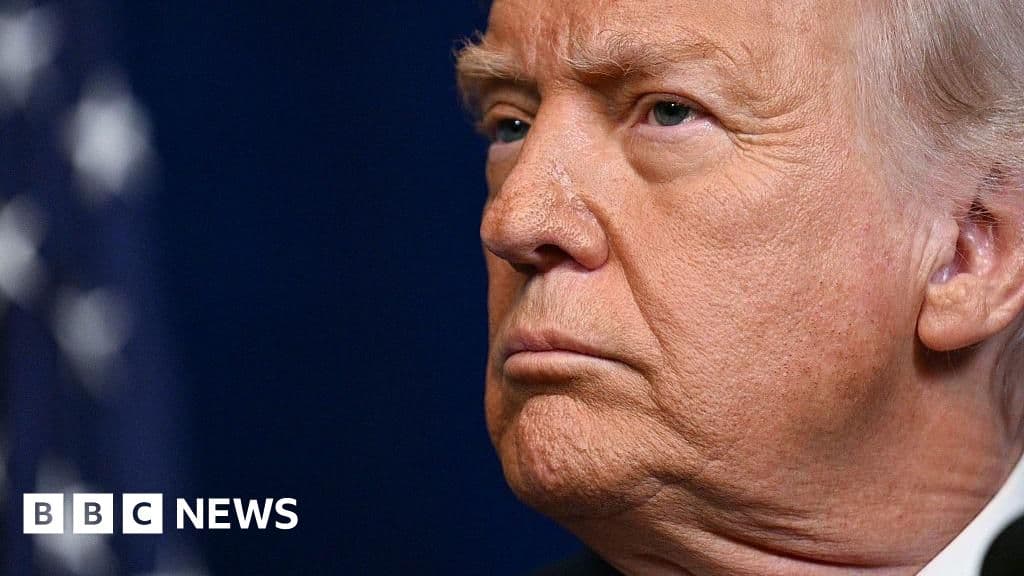
Beyond the health scare, Trump's public admission on high-dose aspirin reveals a calculated defiance of medical consensus and a play for voter trust.
Key Takeaways
- •Trump's high aspirin dose is a strategic political move signaling defiance against medical establishment norms.
- •The hidden agenda is validating voter distrust in institutional expertise, extending beyond health to other policy areas.
- •Mainstream medical guidance has shifted away from high-dose aspirin for primary prevention due to bleeding risks.
- •This action normalizes off-label, high-risk medical behavior based on political alignment rather than scientific evidence.
We need to talk about Donald Trump's aspirin habit, not as a quaint personal quirk, but as a masterclass in political messaging. When the former President casually revealed he is taking a daily dose of aspirin higher than standard medical recommendations, the news cycle fixated on the potential cardiovascular risks. That’s the surface level. The real story is the calculated, almost theatrical, defiance embedded in that statement. This isn't about milligrams; it's about martyrdom and mistrust.
The Unspoken Truth: Weaponizing Medical Skepticism
The central issue here is the erosion of institutional trust. For years, the political right has cultivated skepticism toward established bodies—the CDC, the FDA, mainstream media, and yes, established medical guidelines. Trump’s admission serves a dual purpose. First, it subtly reinforces the narrative that medical consensus is often flawed or politically motivated. If the experts recommend X, and he—the supposed ultimate authority—takes X+Y, he positions himself as the self-made authority who knows better.
Who really wins? Big Pharma loses, because it suggests their prescribed pathways are too cautious or bureaucratic. Trump wins, because he validates the feelings of millions of voters who already distrust expert advice. He’s not just saying, “I’m healthy”; he’s saying, “The rules they make for you don't apply to me, and perhaps, the rules they make for you are wrong.” This is a potent piece of political theater, far more effective than any policy outline. It’s about embodying the anti-establishment spirit, even in matters of personal health. This health news is intrinsically political.
Deep Dive: Aspirin's Shifting Sands and Trump's Strategy
It is true that aspirin's role in primary prevention has been significantly scaled back by major health organizations, including the American Heart Association, due to increased bleeding risks, particularly for older adults. The shift away from routine, high-dose use is a well-documented evolution in cardiology. Yet, Trump champions a higher dosage. Why? Because higher doses feel more proactive, more aggressive—qualities his base admires. This mirrors his approach to policy: go big, don't hedge.
The danger lies in normalization. When a figure of his stature publicizes off-label, higher-than-recommended drug use, it creates a dangerous echo chamber. Followers, seeking alignment with their leader, might disregard their personal physicians. This isn't just poor health advice; it’s a cultural signal that personal intuition trumps rigorous, peer-reviewed science. We must analyze this through the lens of political identity, not just pharmacology.
Where Do We Go From Here? The Prediction
Expect this trend of personalizing and politicizing medical decisions to intensify. Future campaigns will increasingly feature candidates boasting about their non-standard health regimens—be it diets, supplements, or drug protocols—as proof of their independent thinking and vitality. We will see a bifurcation: one camp adhering to established medical science, and the other aligning their health choices with their political tribe. Trump has successfully turned a private medical detail into a public declaration of independence from the 'establishment' consensus. This sets a precedent for framing future health debates, from vaccines to long-term care, as ideological battles rather than scientific ones.
The long-term consequence? Increased difficulty in achieving public health compliance when genuine crises arise, because the foundation of institutional trust has been deliberately undermined, one high-dose aspirin revelation at a time.
Gallery





Frequently Asked Questions
What is the standard recommended daily dose of aspirin for heart health?
For most adults taking low-dose aspirin for cardiovascular risk reduction (secondary prevention), the standard recommended dose is usually 81 mg (a 'baby aspirin'). For primary prevention, many guidelines now advise against routine use due to bleeding risks, though specific dosing depends entirely on individual physician assessment.
Why did major health organizations reduce recommendations for daily aspirin?
Major organizations like the American Heart Association and the U.S. Preventive Services Task Force (USPSTF) revised guidelines because studies showed that for people without a history of heart attack or stroke, the increased risk of major bleeding (especially gastrointestinal) often outweighed the small benefit of preventing a first event.
What is the difference between primary and secondary prevention with aspirin?
Primary prevention refers to taking aspirin to prevent a first cardiovascular event in someone who has no prior history of heart disease. Secondary prevention refers to taking aspirin after a person has already experienced a heart attack or stroke to prevent recurrence.
Is taking more than 81mg of aspirin dangerous?
Yes, taking higher doses significantly increases the risk of serious side effects, most notably gastrointestinal bleeding and ulcers. The dose-response relationship for bleeding risk is much steeper than for any potential benefit above the low-dose range.
Related News
.jpg%3Fsfvrsn%3D104df884_5&w=3840&q=75)
The Legal Fiction That Fails Hospitals: Why 'Proportionality' Is War’s Deadliest Loophole
The push to strengthen International Humanitarian Law regarding hospital protection is masking a fatal flaw in the concept of proportionality.

The Hidden Agenda Behind the WHO's Defense Strategy: It's Not About Your Health
The WHO's pivot to defense studies signals a terrifying shift: global health security is now geopolitical security. Analyze the real power plays.

The Real Reason South Africa is Training Border Health Agents (It’s Not Just the Next Flu)
South Africa's new frontline health security cohort graduates signal a massive geopolitical shift in pandemic preparedness. Who benefits?
