The Wellness Lie: Why Science's 2026 'Feel Better' List Is Actually a Prescription for Complacency
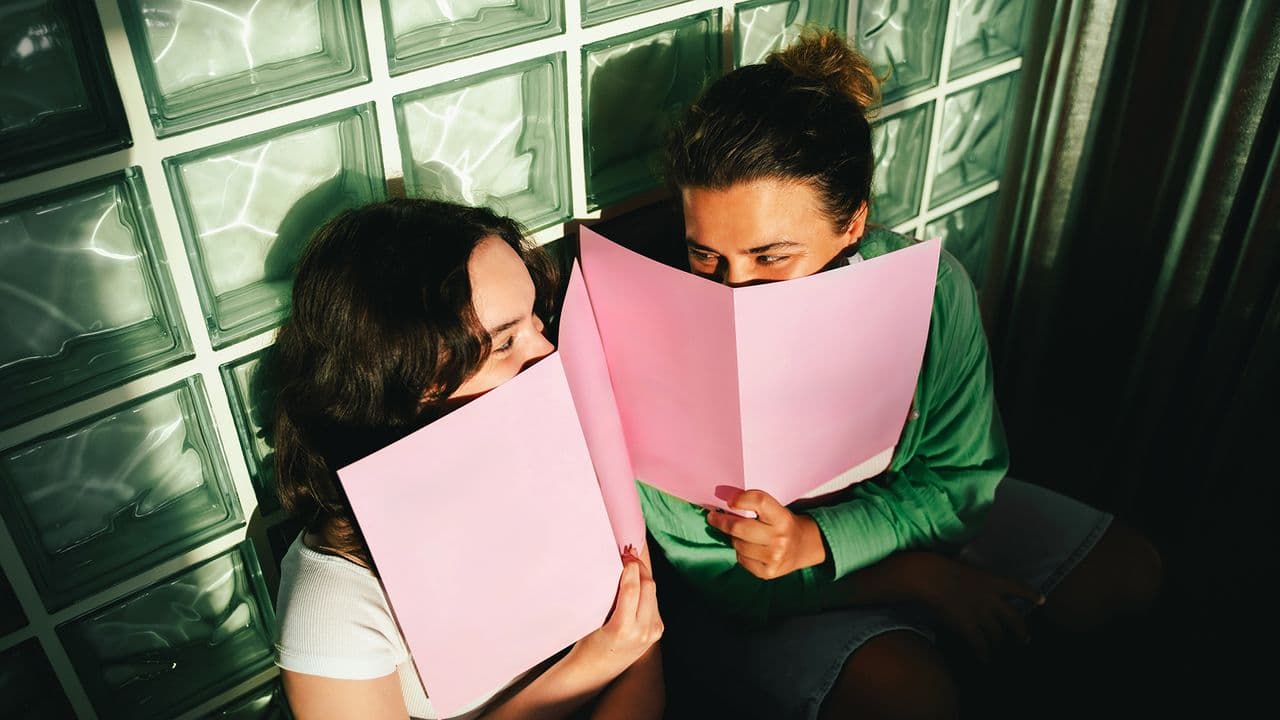
Forget incremental health hacks. The science-backed wellness trends for 2026 are a distraction from deeper systemic failures in modern health.
Key Takeaways
- •The focus on incremental health tips distracts from systemic failures in work culture and food systems.
- •The wellness industry profits by framing societal problems as individual failures of self-regulation.
- •True well-being requires structural change, not just adherence to a list of biological 'hacks'.
- •The 'wellness gap' will widen, creating a new class division based on the ability to afford optimization.
The Wellness Lie: Why Science's 2026 'Feel Better' List Is Actually a Prescription for Complacency
Another year, another list of nine 'science-backed' nudges promising to elevate your mood by 2026. This predictable parade of incremental self-improvement—more sunlight, better sleep hygiene, mindful eating—is the modern equivalent of rearranging deck chairs on the Titanic. The underlying truth no journalist dares whisper is that these micro-interventions are designed to keep the masses docile while the macro-systems—the toxic food supply, the crushing work culture, the chronic underfunding of mental healthcare—remain untouched. This isn't about **health optimization**; it’s about population management.
The real story isn't the advice; it's the *absence* of the hard questions. Why do we need nine desperate hacks just to feel 'better'? Because the baseline state of modern existence is one of low-grade, perpetual burnout. We are medicating lifestyle choices with biology tips. The focus on **personal wellness** conveniently shifts blame from the corporations profiting from our stress to the individual who failed to get enough morning light.
The Unspoken Agenda: Who Truly Benefits from Incremental Health?
Consider the winners here. The industries that profit are those selling sleep trackers, specialized supplements, and ergonomic office furniture. They thrive on the gap between our natural biological needs and the artificial environments we inhabit. If society fundamentally restructured work hours or mandated truly nutritious food access, these 'hacks' would become obsolete. The longevity and **mental health science** emerging now is brilliant, but it’s being weaponized as a set of personal responsibilities rather than systemic demands.
For example, the emphasis on 'nature exposure' is crucial, but it conveniently ignores the fact that billions live in concrete jungles with zero accessible green space. The science demands nature; the economy delivers pavement. The list offers a consolation prize: a fifteen-minute walk around the block.
The Contrarian View: We Need Revolution, Not Routine
The article suggests improving social connection. Excellent advice. But the analysis stops short of pointing out that the very digital platforms lauded for 'connection' are engineered for addiction and division. True social restoration requires dismantling the attention economy, not just scheduling a weekly call. We are being asked to perform complex cognitive labor (self-regulation against billion-dollar algorithms) just to achieve baseline human connection. This is not sustainable **health optimization**.
The most profound insight from this list is what it reveals about our collective failure. If science has to painstakingly prove that sleep is good for you, we have already lost the plot. We are so far removed from natural living that basic biological requirements need peer-reviewed validation. (For context on the historical view of human needs, see Maslow's hierarchy.)
What Happens Next? The Great Bifurcation of Wellness
My prediction: By 2030, these 'science-backed' tips will bifurcate the population. The affluent will integrate these practices seamlessly into lives already buffered by time, money, and clean environments. For them, it’s performance enhancement. For the working majority, these tips will become another source of anxiety—another metric they are failing to meet while juggling two jobs. The wellness gap will become the defining inequality of the late 2020s, separating the 'optimized' from the simply 'exhausted.' Genuine **mental health science** will be privatized, while public services collapse under the weight of lifestyle-induced stress.
We must stop treating the symptoms of a broken world with better habits. The real science-backed move is demanding structural change, not just better sleep hygiene. We need to analyze the environment that demands these hacks in the first place.
Gallery



Frequently Asked Questions
What is the main criticism of science-backed wellness lists?
The main criticism is that they promote individual responsibility for issues that are fundamentally systemic (e.g., poor work conditions, toxic food supply), thereby absolving larger institutions of accountability.
What is 'health optimization' in this context?
In this critical context, 'health optimization' refers to the pursuit of peak physical and mental performance through data-driven lifestyle adjustments, often marketed as essential for success in competitive environments.
How does modern technology relate to the need for these wellness tips?
Modern technology, particularly social media and the attention economy, is engineered to disrupt natural human rhythms (sleep, focus, social bonding), creating the very conditions that these 'science-backed' tips attempt to mitigate.
What is the 'wellness gap' prediction?
The prediction suggests that the ability to implement these complex wellness strategies effectively will become a marker of socioeconomic status, leading to greater disparities between those who can afford optimization and those who remain chronically stressed.
Related News
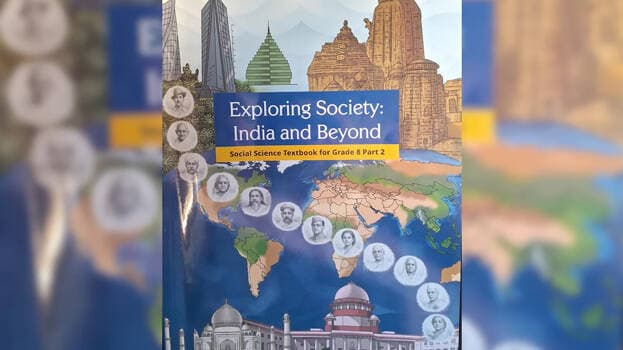
The Judicial Bomb: Why Teaching Kids About Corruption Is NCERT's Most Dangerous (and Necessary) Power Play
The NCERT syllabus revision exposing students to 'corruption in the judiciary' is more than education; it's a calculated political move.

The Silent Coup: How US Aid Cuts Are Weaponizing Global Science and Who Really Benefits
The reported cuts to US science aid aren't just budget trimming; they are a geopolitical strategy eroding global scientific literacy and trust.

The Invisible Cartel: Who Really Profits From 'Global Health' Aid?
Forget the headlines. The real story in global health isn't charity; it’s the opaque supply chains and the political leverage wielded by logistics giants.
