The Volcanic Trigger: Why New Black Death Science Changes Everything We Know About Medieval Collapse

Forget rats. New volcanic evidence suggests climate shock, not just fleas, fueled the Black Death pandemic. This is the real story.
Key Takeaways
- •New evidence links the severity of the Black Death directly to climate cooling caused by medieval volcanic eruptions.
- •Volcanic activity weakened populations through famine, creating ideal conditions for the plague's rapid spread.
- •The resulting societal collapse (Black Death pandemic) inadvertently accelerated the end of feudalism and the rise of new economic structures.
- •Future pandemic preparedness must integrate climate volatility modeling as a primary risk factor.
The Unspoken Truth: Climate, Not Just Contagion
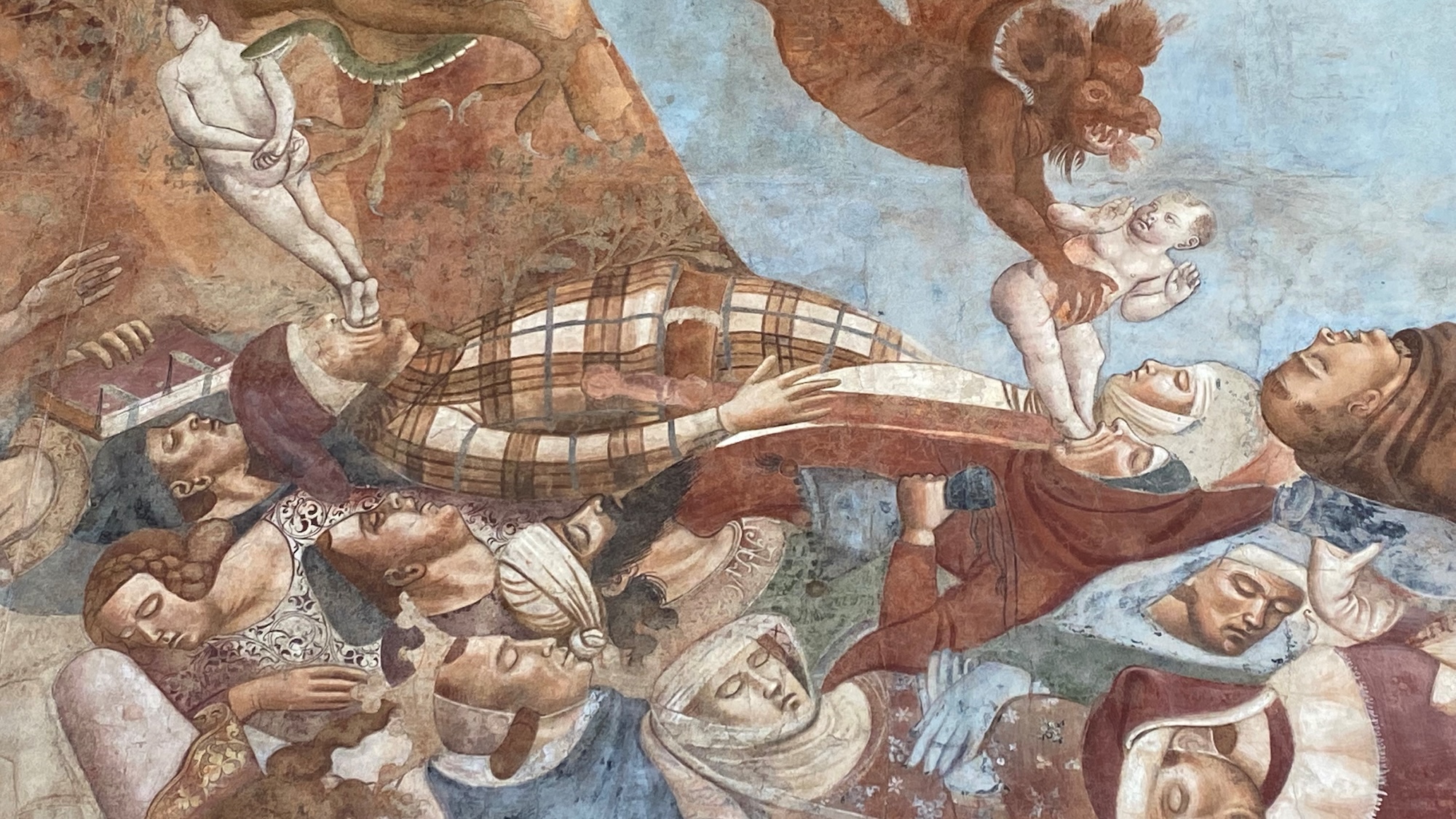
The narrative surrounding the Black Death has always been neat: fleas, rats, trade routes. It’s a digestible horror story. But a growing chorus of climate scientists is blowing up that simple equation, pointing instead to massive, rapid climate shifts triggered by medieval volcanoes. This isn't just academic revisionism; it’s a fundamental re-framing of how pandemics begin and, crucially, how they end. The real winner here isn't the bacterium, Yersinia pestis; it's the historical determinists who now have a powerful new lever to explain societal collapse.
Recent paleoclimate data strongly suggests that a series of major volcanic eruptions in the 13th and 14th centuries injected colossal amounts of sulfur dioxide into the stratosphere. This created a volcanic winter, plunging Europe and Asia into prolonged cold snaps and devastating harvests. The established link between famine, weakened immune systems, and the subsequent explosion of the Black Death pandemic is now gaining undeniable scientific weight. This isn't just about bad luck; it’s about environmental vulnerability.
The Deep Dive: How Volcanic Ash Rewrote History
Why does this matter beyond a footnote in history books? Because it shifts culpability—and agency. If the plague was purely biological, it was an unavoidable act of nature. If it was catalyzed by environmental stress, it reveals a critical fragility in pre-modern societies. The famines preceding the plague—the Great Famine of 1315–1317, for example—weren't isolated incidents. They were symptoms of a destabilized global climate system. The weakened populace became the perfect host for the bacteria when it finally arrived from Central Asia. We are seeing, in real-time, how climate change exacerbates biological threats. This historical parallel is chilling.
The hidden agenda? For historians, it’s validation for climate history; for epidemiologists, it’s a dire warning. We tend to focus on the pathogen itself, yet this research proves the terrain—the environmental 'soil'—is often more important than the 'seed.' The survivors of the Black Death inherited a world radically altered by labor shortages, which ultimately led to the end of feudalism. The volcano was the unwitting architect of social revolution.
Consider the economic fallout. The drastic population reduction (up to 60% in some areas) created labor scarcity, giving surviving peasants unprecedented bargaining power. This disruption, rooted in a volcanic anomaly, directly paved the way for early capitalist structures. It was an enforced, brutal reset button, pushed by atmospheric chemistry.
Where Do We Go From Here? The Prediction
The next phase of research will inevitably pivot toward modeling future 'volcanic winters' and their impact on modern, hyper-connected societies. My prediction is this: We will see increased academic and governmental focus on 'resilience mapping' for pandemics, explicitly incorporating climate volatility models. The next major global health crisis won't be a standalone event; it will be a plague amplified by anthropogenic climate stress, mirroring the medieval pattern. Governments will secretly fund research into atmospheric geoengineering not just for warming, but for rapid cooling stabilization post-eruption, recognizing that climate control is now pandemic control.
The lesson from the Black Death is not just about hygiene; it's about ecological stability. Ignore the climate forcing, and you are simply waiting for the next catastrophe to be primed and ready.
Frequently Asked Questions
What specific volcanoes are implicated in triggering the Black Death?
The primary suspects identified by climate scientists are massive, poorly dated eruptions around the 1250s and early 1300s, likely in the high latitudes, which injected significant aerosols into the atmosphere, leading to a 'volcanic winter.'
How does this volcanic theory change the role of rats and fleas?
The theory doesn't eliminate rats and fleas; it makes them the delivery mechanism for a primed population. The climate change created the susceptible host environment, allowing the pathogen to achieve catastrophic mortality rates that might otherwise have been mitigated.
Is there a modern equivalent to the medieval volcanic cooling event?
While no single eruption matches the scale of the medieval events yet, the ongoing rapid, human-caused climate change introduces similar long-term stresses that can weaken global health systems and increase vulnerability to novel pathogens.
What is the main takeaway for modern pandemic preparedness?
The main takeaway is that environmental stability is critical infrastructure. Ignoring climate shocks means ignoring the conditions that turn an outbreak into a devastating pandemic.
Related News
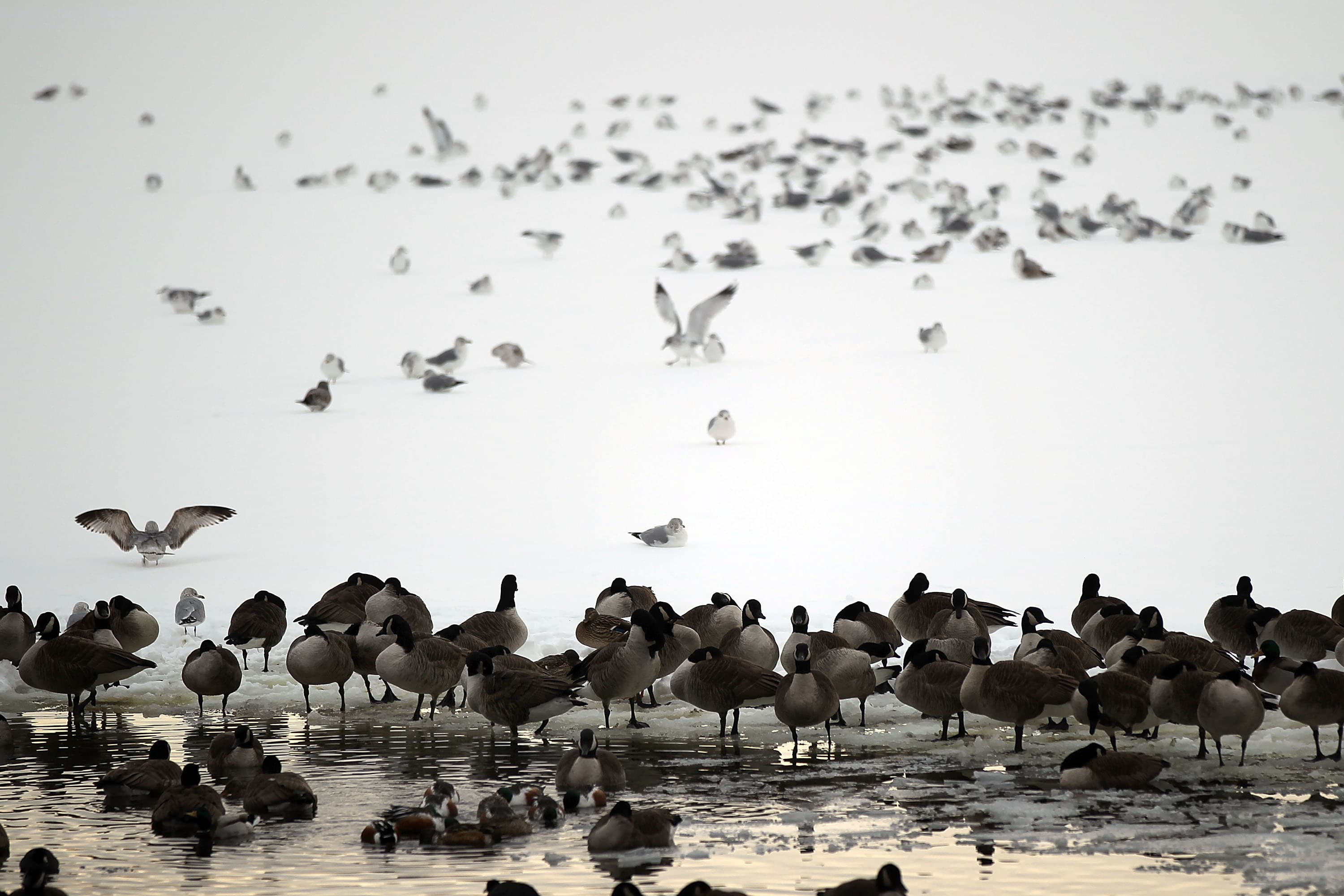
The Hidden Empire: Why Your Local Bird Watchers Are Now the World's Most Dangerous Climate Spies
Forget satellites. The massive global effort in citizen science tracking **bird migration patterns** reveals a terrifying, unvarnished truth about **environmental data** that governments don't want you to see.

The Billion-Dollar Lie: Why Your Daily Jog Won't Stop Alzheimer's (And What Actually Will)
New exercise data confirms brain protection, but the unspoken truth about Alzheimer's prevention remains hidden. We dissect the real winners.
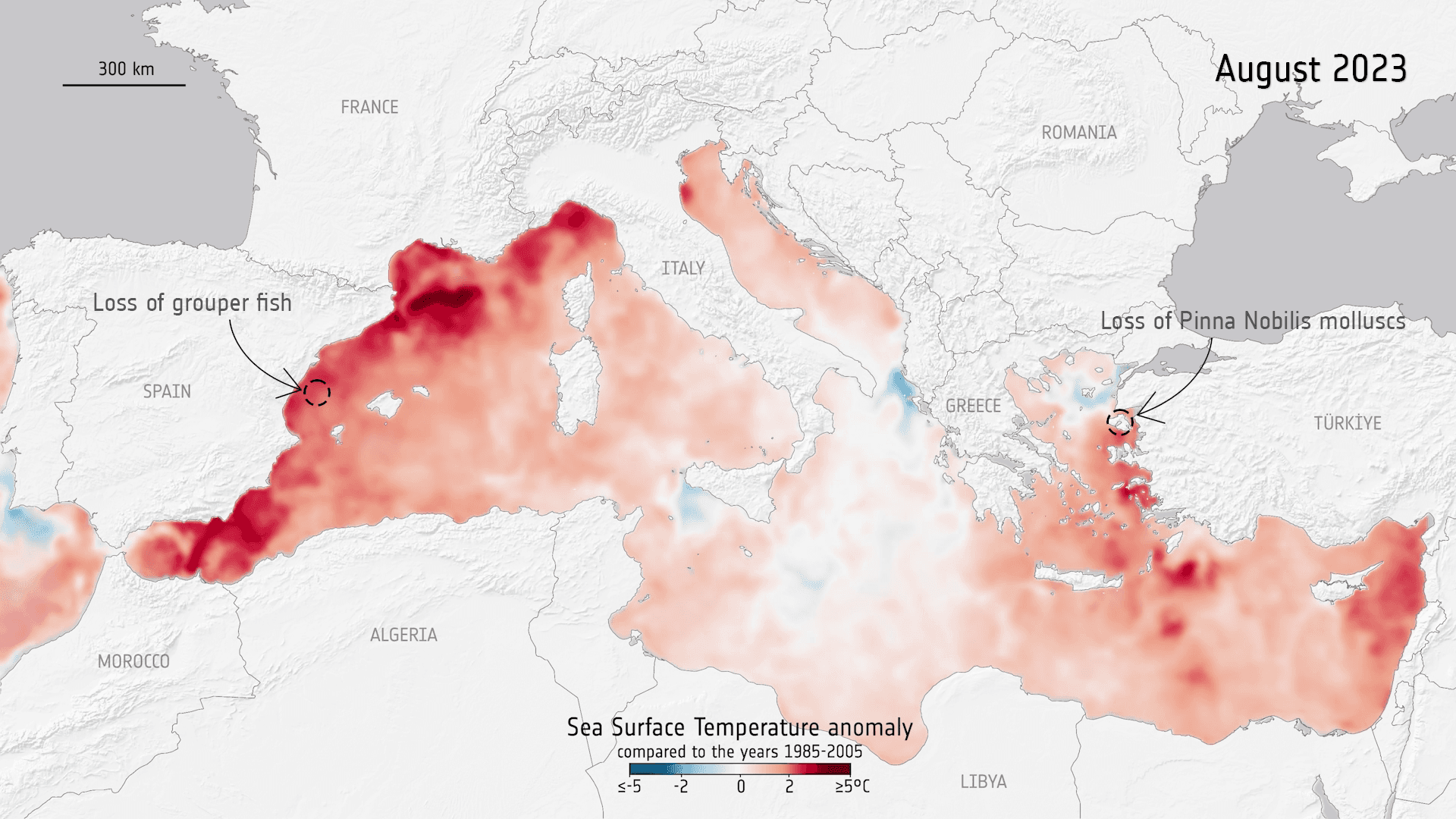
The ESA's Climate Secrets: Why Satellite Data is Terrifying the Energy Titans
New European Space Agency climate insights reveal a hidden feedback loop that traditional models miss. This is the real climate crisis.
