The Toxic Tides: Why India's Effluent Crisis Is A Deliberate Public Health Sacrifice
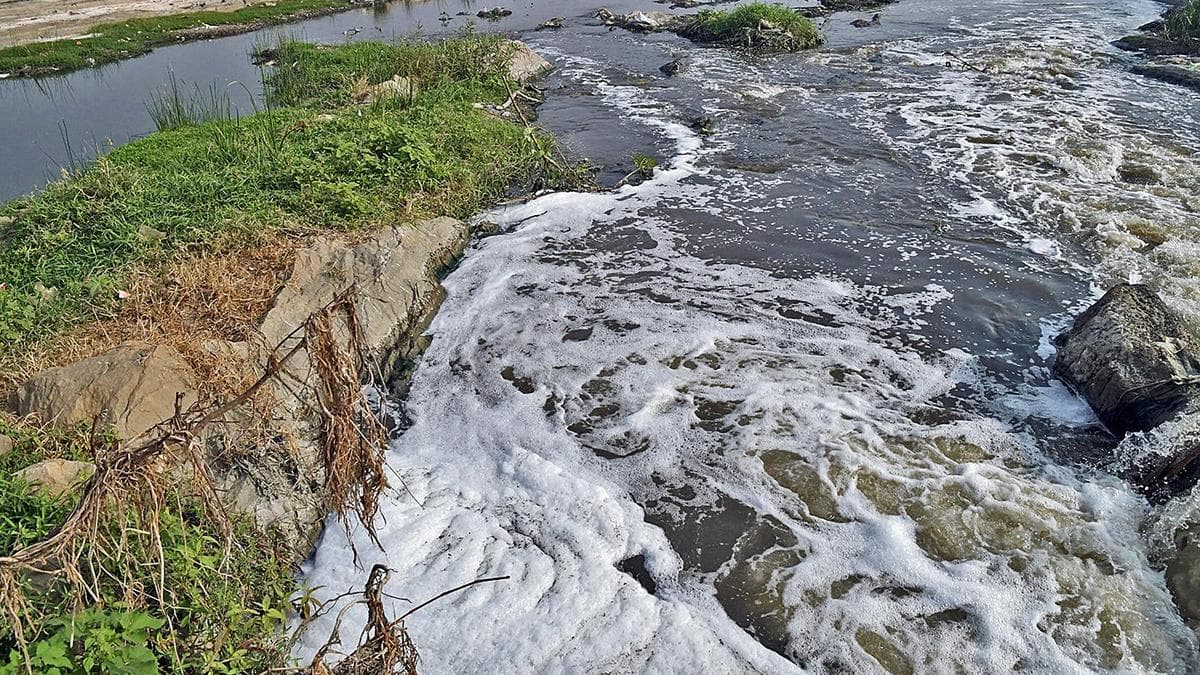
Untreated effluent discharge is poisoning India's rivers, creating a silent One Health crisis. This isn't just pollution; it's systemic negligence.
Key Takeaways
- •Untreated effluent discharge is a deliberate economic choice prioritizing short-term industrial profit over long-term public health.
- •Rivers act as 'superbug factories,' accelerating the spread of Antimicrobial Resistance (AMR) genes.
- •The current regulatory response is insufficient; systemic failure requires mandatory, real-time industrial monitoring.
- •The concept of One Health is demonstrably collapsing under the weight of unchecked industrial contamination.
The Hook: The Silent Poison in Our Waterways
We talk about economic growth, smart cities, and global positioning. But beneath the surface of India’s rising tide of prosperity, something far more sinister is bubbling up: **untreated effluent discharge** poisoning the arteries of the nation—its rivers. The conversation around water pollution is always about compliance and fines. It needs to shift. This is not an environmental issue; it is a calculated public health sacrifice. The concept of **One Health**—the interconnectedness of human, animal, and environmental health—is being utterly demolished by industrial waste, and the losers are predictable.
The "Unspoken Truth": Who Really Wins When Rivers Die?
The official narrative blames lax enforcement or poor municipal infrastructure. That’s bureaucratic camouflage. The unspoken truth is that the cost of treating effluent—the capital expenditure and ongoing operational costs—is often deemed too high for certain industries to bear. Therefore, the cost is externalized. Who benefits? The short-term profit margins of non-compliant factories and the politicians who grant them tacit permission through inaction. They are effectively trading public health for quarterly earnings reports. When communities downstream suffer from antimicrobial resistance (AMR) or novel diseases traced back to contaminated water, the burden shifts entirely to the taxpayer, the healthcare system, and the most vulnerable populations. This dynamic is not accidental; it's a feature of a system prioritizing speed over sustainability.
Deep Analysis: The AMR Time Bomb in the Ganga
The real danger lurking in these contaminated waters transcends visible filth. It is the invisible threat of **antimicrobial resistance (AMR)**. Rivers receiving concentrated sewage and industrial waste become vast bioreactors. Studies have shown that these mixing zones are breeding grounds where bacteria exchange resistance genes at an alarming rate. When a farmer draws water for irrigation or a child drinks from a well near the river, they aren't just ingesting heavy metals or pathogens; they are absorbing a cocktail of drug-resistant microbes. This turns local health crises into national security threats. We are creating superbugs in our waterways, threatening to render modern antibiotics useless. This isn't just bad environmental policy; it’s ecological suicide disguised as industrial efficiency. For more on the global scale of this threat, see the WHO's reports on AMR [https://www.who.int/health-topics/antimicrobial-resistance].
What Happens Next? The Prediction
The current reactive approach—testing, fining, and temporary shutdowns—will fail utterly. My prediction is that within the next five years, we will see a major, multi-state public health emergency directly traceable to a major river system, likely involving a cluster of difficult-to-treat infections. This catastrophe will force a radical, top-down intervention. Expect the central government to finally deploy mandatory, real-time monitoring systems linked directly to industrial permits, backed by draconian penalties that include immediate seizure of assets. The era of cheap, dirty manufacturing on India’s riverbanks is ending, not because of environmental enlightenment, but because the economic cost of treating the resulting diseases will finally outweigh the cost of proper treatment infrastructure. This shift will be painful and will likely cause short-term economic shocks in heavily polluting sectors.
The 10X Takeaways (TL;DR)
- Profit Over People: The primary driver for lax effluent control is the immediate profit incentive for industries externalizing cleanup costs onto public health.
- AMR Hotspots: Rivers are becoming massive, uncontrolled bioreactors breeding drug-resistant bacteria.
- One Health Failure: The contamination proves a systemic failure where human, animal, and environmental well-being are treated as separate, negotiable concerns.
- The Inevitable Reckoning: A major, waterborne public health crisis will soon force the government into mandatory, severe regulatory action.
Gallery


Frequently Asked Questions
What is the 'One Health' concept being violated by effluent discharge?
The One Health concept recognizes that the health of people is closely connected to the health of animals and our shared environment. Untreated effluent contaminates water sources used by humans and livestock, directly linking environmental degradation (the polluted river) to human health outcomes (disease transmission and AMR).
How does industrial effluent specifically cause Antimicrobial Resistance (AMR)?
Industrial wastewater, especially from pharmaceutical and tanning units, often contains residual antibiotics and high concentrations of bacteria. When these mix in rivers, they create an ideal selective pressure for bacteria to evolve and share resistance genes, creating new, untreatable strains of superbugs.
Who benefits financially from ignoring effluent treatment standards?
Industries that avoid the capital and operational expenditure required for proper effluent treatment plants benefit directly through lower operating costs and higher immediate profits. In many cases, regulatory apathy or corruption enables this cost-shifting.

