The Tech Trojan Horse: Why 'Elderly Care' is the Ultimate Cover for Massive Data Harvesting
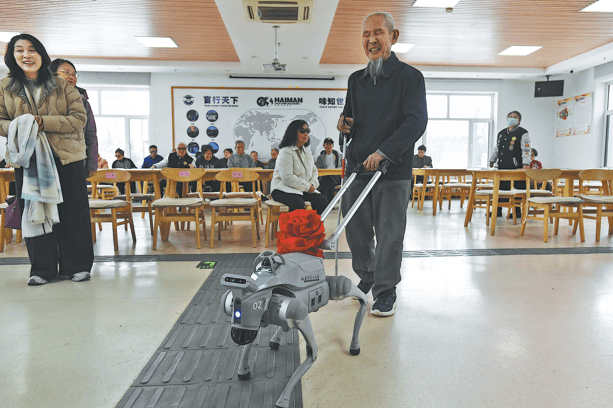
Emerging technologies promise to revolutionize elderly care, but the real game-changer is the unprecedented data collection operation unfolding.
Key Takeaways
- •The true beneficiaries of elderly monitoring tech are data aggregators and insurance firms, not just caregivers.
- •Intimate biometric data collected under the guise of safety risks creating 'digital risk profiles' that could penalize seniors.
- •Future conflict will center on 'data coercion'—whether consent for monitoring is truly voluntary when essential care is at stake.
- •Affluent seniors will likely purchase digital privacy, creating a two-tiered system of care.
The Tech Trojan Horse: Why 'Elderly Care' is the Ultimate Cover for Massive Data Harvesting
The narrative is saccharine: emerging technologies like AI monitoring, smart homes, and remote diagnostics are here to save our aging population. Experts interviewed by outlets like China Daily trumpet these innovations as a 'game-changer' for elder care. But stop reading the press releases for a moment. The real, unstated story isn't about better pill reminders; it's about the single largest, most intimate data acquisition play of the decade.
We are witnessing the normalization of constant digital surveillance under the guise of compassion. Every fall detected, every sleep cycle analyzed, every conversation transcribed by a smart speaker—this isn't just for immediate safety. This granular biometric and behavioral data is gold. Who profits when vast datasets detailing the physical decline, spending habits, and cognitive states of millions of seniors are aggregated? Not just the hospitals, but the insurance giants, the pharmaceutical industry, and, critically, the state apparatus tracking demographic shifts.
The Unspoken Truth: Convenience vs. Sovereignty
The primary losers in this 'revolution' are the seniors themselves, trading personal sovereignty for perceived safety. When health monitoring becomes mandatory or heavily incentivized by insurance providers, the choice evaporates. This isn't just about using a smartwatch; it’s about embedding sensors into the very fabric of private life. The key phrase here is digital health records, which are rapidly becoming comprehensive life records. We must ask: Is the convenience of avoiding a fall worth handing over the keys to your most private existence?
The market for aging in place technology is booming, driven by demographic necessity. As Western and East Asian nations face unprecedented dependency ratios, governments and corporations are incentivized to deploy these tools en masse. The cost of human caregiving is astronomical; the cost of deploying scalable, sensor-based monitoring is dropping exponentially. The economic pressure guarantees adoption, regardless of privacy concerns.
Consider the implications for insurance underwriting. If an AI flags a senior as 'high risk' based on gait analysis captured by ambient sensors, will premiums rise? Will access to certain services be restricted? The promise of personalized medicine quickly morphs into personalized risk profiling. This is the hidden cost of embracing this wave of senior technology.
Where Do We Go From Here? The Prediction
The next five years will see a sharp bifurcation. One segment of the elderly population—the affluent—will afford 'unmonitored' private care, effectively buying their digital privacy back. The vast majority, however, will be enrolled in standardized, state- or insurer-mandated monitoring ecosystems. This will lead to the first major legal challenges centered on 'data coercion'—arguing that consent given under the duress of needing essential care is not true consent.
Furthermore, expect a black market for 'data cloaking' devices or services that actively scramble biometric feeds, an irony that perfectly encapsulates our relationship with pervasive technology. The pushback won't be Luddite rejection; it will be sophisticated resistance against the monetization of vulnerability.
The real game-changer isn't the technology itself, but the societal infrastructure being built to harvest the data it generates. This is a crucial moment for digital rights advocates, demanding transparency on where that intimate data ultimately resides. For more on the ethical implications of big data in healthcare, see the analysis from trusted sources like the World Health Organization on digital ethics [WHO].
Gallery





Frequently Asked Questions
What is the primary ethical concern regarding technology used for elderly care?
The primary ethical concern is the erosion of privacy and autonomy. Constant monitoring, even for safety, creates comprehensive personal data profiles that can be exploited by insurers or other entities, turning compassionate care into pervasive surveillance.
How will emerging technologies affect insurance premiums for seniors?
If data collected by monitoring systems proves correlations between lifestyle metrics and increased health risks, insurers may use this data to create hyper-personalized, potentially punitive, premium structures.
Are there alternatives to high-tech monitoring for elderly safety?
Yes, alternatives focus on community support, subsidized human in-home care, and simpler, non-networked emergency alert systems that do not require constant data transmission to third parties.
What does 'data coercion' mean in the context of senior tech adoption?
Data coercion refers to situations where seniors feel forced to accept intrusive technology monitoring because the alternative is substandard care or denial of essential services, meaning their consent is not truly free.
Related News

The Packaging Lie: Why Your 'Smart' Food Container Won't Stop the Next Global Recall
The push for advanced food packaging technology is distracting from the real supply chain weak points. Is this innovation or deflection?

The Hidden Cost of Croom Medical's $100M Bet: Is Ireland Outsourcing Its Future?
The Croom Medical ACOT expansion signals massive medical device manufacturing growth, but what does this mean for Irish tech talent migration?
The Silent Coup: Why Tech Policy Meetings Are a Sham and Who Actually Owns the Future
Forget diversity reports. The real fight over technology policy isn't about representation; it's about regulatory capture and who profits.

DailyWorld Editorial
AI-Assisted, Human-Reviewed
Reviewed By
DailyWorld Editorial