The Tech Takeover of Eldercare: Why 'Independent Living' is Just a New Word for Digital Surveillance
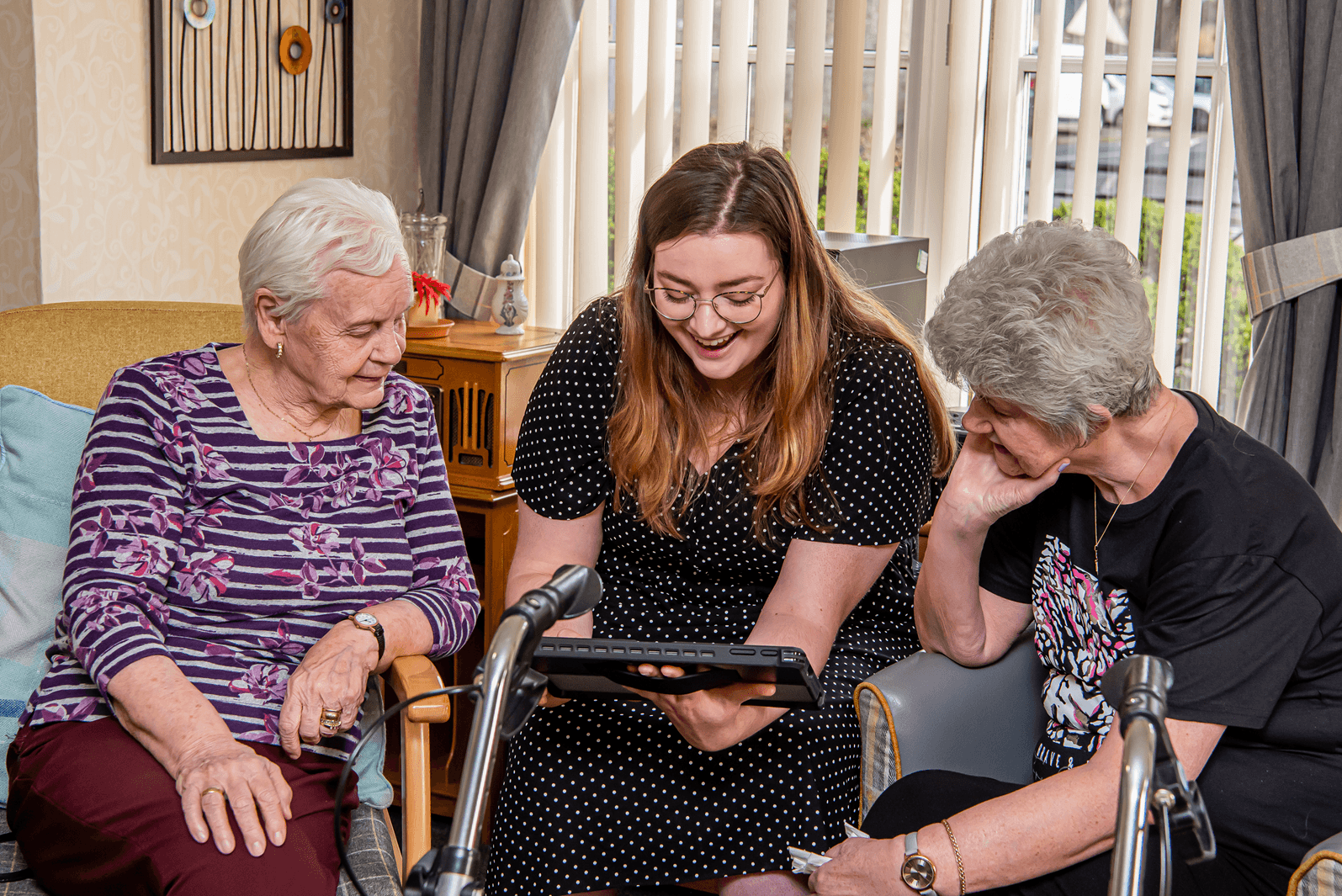
The push for 'technology in independent living' isn't about freedom; it's about cost-cutting. Discover the hidden agenda behind the smart home revolution for seniors.
Key Takeaways
- •The primary driver for mandated technology in care homes is cost reduction, not solely enhanced independence.
- •Mandatory tech integration creates significant, unaddressed privacy risks regarding biometric and behavioral data.
- •The next five years will see mandatory IoT monitoring become a regulatory standard for new supported housing projects.
- •True innovation requires better funding models that prioritize human interaction over data capture.
The narrative is pristine: technology promises to unlock true independent living for older adults. A charity CEO champions smart sensors, remote monitoring, and AI assistants as the key to dignity and autonomy. But stop celebrating the shiny new gadgets for a moment. As investigative journalists, we must ask the uncomfortable question: Who truly benefits from this digital transformation of care?
The Unspoken Truth: Efficiency Over Empathy
The current discourse on incorporating assistive technology into supported housing often skips the crucial economic reality. Care providers, facing crushing staffing shortages and razor-thin margins, are not embracing smart monitoring because they suddenly developed a conscience. They are embracing it because it’s cheaper than paying a human being to check on someone every hour. This isn't about enhancing 'independent living'; it's about optimizing dependency for profit.
The true winner here is the provider, who can now service 20 tenants with the same staff footprint they used for 10, all while claiming a 'high-tech' upgrade. The loser? The elderly tenant whose privacy is subtly eroded. Every beep, every fall detection, every door sensor is a data point feeding an algorithm. We are trading genuine human connection—the bedrock of quality care—for quantifiable, scalable metrics.
The Data Dilemma: Privacy as the New Cost of Entry
When we mandate that seniors adopt these systems to qualify for housing or services, we are forcing them to sign a contract with their data. Where does this biometric and behavioral data go? Who owns the predictive models built on their daily routines? The promise of technology enabling autonomy rings hollow when that same technology creates an unprecedented surveillance loop. Think about it: if an AI detects a deviation from the norm, who receives that alert first—the family, or the insurance underwriter assessing future risk?
This shift forces us to confront what independent living truly means in the 21st century. Is it the ability to live without physical assistance, or is it the right to live without constant, invisible monitoring? For context on how data impacts vulnerable populations, look at the evolving landscape of digital health records [Reuters Report on Health Data Security].
Where Do We Go From Here? The Prediction
The current trajectory is clear: within five years, any new supported living facility that does not have a comprehensive, mandatory IoT monitoring system will be deemed financially unsustainable or uninsurable. This won't be a choice; it will be a regulatory prerequisite disguised as a safety standard. We will see the rise of 'Tech-Mandated Tenancies.' Furthermore, expect a significant backlash—a 'Digital Luddite' movement among the elderly demanding analog care, which will be dismissed as resistance to progress.
The real innovation we need isn't better sensors; it’s better funding models that value human interaction over data collection. Until then, the push for technology in care is merely a sophisticated exercise in cost externalization, pushing the burden of observation onto the user themselves. For a deeper dive into the history of care models, consult established sociological texts on aging [Wikipedia on Caregiving History].
The adoption of these tools is inevitable, but accepting the terms—especially the erosion of privacy—is not. We must demand transparency on data usage, ensuring that the devices designed to keep people safe do not become tools for corporate oversight or predatory insurance practices. The future of dignity depends on it.
Frequently Asked Questions
What is the main criticism against using technology for independent living?
The main criticism is that mandatory technology often prioritizes provider cost savings and data collection over genuine human connection and tenant privacy, potentially creating a surveillance environment rather than enhancing autonomy.
How will technology affect the cost of elder care in the near future?
While technology might reduce the need for constant physical staffing, the initial investment and ongoing data management costs could be passed on to tenants, or it could lead to insurers using the collected data to adjust risk profiles and premiums.
Are there alternatives to tech-heavy independent living solutions?
Yes, alternatives focus on increasing funding for direct human care staff, improving training, and creating community-based support networks rather than relying solely on remote monitoring hardware.
What does 'assistive technology' specifically refer to in this context?
It generally refers to Internet of Things (IoT) devices such as smart sensors for detecting falls or unusual activity, remote vital sign monitoring, automated medication dispensers, and voice-activated home controls.
Related News

The Packaging Lie: Why Your 'Smart' Food Container Won't Stop the Next Global Recall
The push for advanced food packaging technology is distracting from the real supply chain weak points. Is this innovation or deflection?

The Hidden Cost of Croom Medical's $100M Bet: Is Ireland Outsourcing Its Future?
The Croom Medical ACOT expansion signals massive medical device manufacturing growth, but what does this mean for Irish tech talent migration?

The Silent Coup: Why Tech Policy Meetings Are a Sham and Who Actually Owns the Future
Forget diversity reports. The real fight over technology policy isn't about representation; it's about regulatory capture and who profits.
