The Stadium Tech Lie: Why 'Game Changer' Fan Experiences Are Actually a Surveillance Nightmare
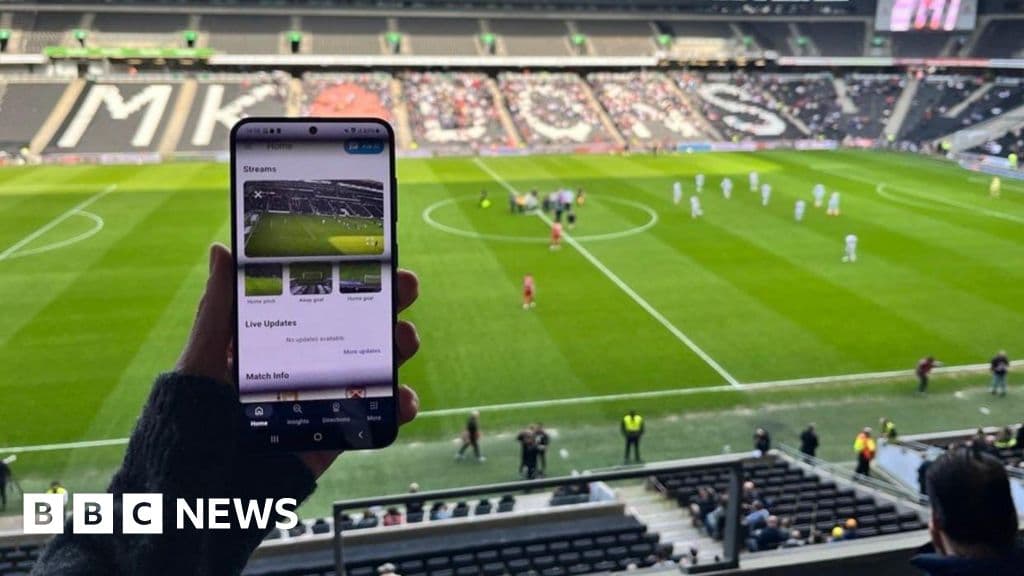
New stadium technology promises immersion, but the real story behind these 'game changers' is data harvesting and hidden costs for the average fan.
Key Takeaways
- •The primary winner of new stadium tech is data harvesting, not fan comfort.
- •Hyper-personalized experiences are thinly veiled behavioral modification tools for advertisers.
- •Mandatory app usage threatens the spontaneous, shared atmosphere of live sports.
- •A counter-movement demanding 'screen-free' venues is the likely next phase of fan pushback.
The Stadium Tech Lie: Why 'Game Changer' Fan Experiences Are Actually a Surveillance Nightmare
Are you ready for the next evolution of live sports? Experts are buzzing about new **stadium technology**—from augmented reality overlays to personalized concession ordering—calling it a complete 'game changer' for the fan experience. But let's cut through the hype. This isn't about better hot dogs or clearer replays; this is about the commodification of your attention span and the quiet death of spontaneity in live entertainment. The buzzword today is 'immersion,' but the unspoken truth is that this high-tech pivot is designed less for fan joy and more for hyper-targeted behavioral modification.The Unspoken Truth: Who Really Wins in the Digital Arena?
The immediate beneficiaries are clear: the league owners and the advertisers paying exorbitant rates. When you download the mandated stadium app to access the 'exclusive content,' you aren't just getting a better view; you are signing a digital contract. Every tap, every pause, every concession purchase—it’s all telemetry. This level of granular **fan engagement technology** allows teams to model your precise value. Forget broad demographics; they now know your spending threshold for a beer versus a jersey, and when you are most susceptible to an upsell. The 'game changer' is that the stadium experience is now a controlled, data-optimized feedback loop. The real losers? The casual fan who just wanted to watch the game without signing up for a lifelong data profile.Deep Analysis: The Economics of Attention Extraction
Why is this happening now? Because the marginal revenue from ticket sales has plateaued. The next frontier for sports economics isn't building a bigger stadium; it's maximizing the revenue *per person* inside it. This massive shift toward digital integration is the logical endpoint of late-stage capitalism meeting live events. It mirrors the shift seen in social media platforms, where user experience is merely the bait for sophisticated advertising engines. Consider the infrastructure investment required—billions poured into 5G connectivity and localized tracking systems. This expenditure isn't justified by marginally improved in-seat service; it's justified by owning the fan’s off-field digital footprint. For more on the economics behind major sporting events, see analyses from organizations like the [Sports Business Journal](https://www.sportsbusinessjournal.com/).Contrarian Take: The Threat to Authentic Fandom
True fandom thrives on shared, unmediated experiences—the roar of the crowd, the shared groan, the spontaneous chant. When every interaction is mediated by a screen—when your AR view highlights the 'best moment' you should be reacting to—the collective experience degrades. We risk creating a generation of 'spectators' rather than 'participants.' This is where the **live event technology** paradox lies: in trying to enhance the live experience, they risk sterilizing it until it resembles a highly produced, individualized TV broadcast, just with more expensive nachos. As sociologist Sherry Turkle argues, technology often isolates us even as it promises connection.Where Do We Go From Here? The Prediction
Within three years, the pressure to adopt these platforms will become existential for attendance. Teams will subtly (or not so subtly) restrict desirable amenities—like premium Wi-Fi access or fast-lane entry—to app users only. The real battleground won't be on the field; it will be in the privacy policies of the team apps. We predict a significant backlash, not against the technology itself, but against the mandatory nature of its adoption. A 'Digital Detox' movement will emerge among hardcore fans, seeking out venues or leagues that promise a true, screen-free experience, forcing a market correction toward 'Optional Immersion' rather than 'Forced Engagement.' This entire ecosystem is built on data integrity. For context on data privacy concerns, review the principles outlined by the [Electronic Frontier Foundation (EFF)](https://www.eff.org/). Furthermore, understanding the broad impact of 5G infrastructure is key to grasping the scale of this rollout, as detailed by [Reuters on network deployment](https://www.reuters.com/).Gallery




Frequently Asked Questions
What is the primary hidden cost of new stadium technology?
The primary hidden cost is the surrender of personal behavioral data. Fans exchange real-time tracking and spending habits for marginal convenience features.
Are these technologies truly necessary for improving the fan experience?
While some applications like improved mobile ticketing are useful, many 'immersive' features are economically driven attempts to monetize fan attention rather than solve genuine fan pain points.
What is meant by 'behavioral modification' in this context?
It refers to using real-time data on fan location and purchasing history to serve perfectly timed, highly persuasive offers designed to maximize immediate spending, effectively programming consumer behavior during the event.
Will older stadiums adopt this technology quickly?
Adoption will be slower and more patchwork in older venues due to prohibitive infrastructure costs for widespread 5G and sensor deployment, creating a clear technological divide between new and legacy arenas.
Related News

The Digital Maestro Myth: Why Tech Is Killing Real Music Education (And Who’s Profiting)
ModernTone Studios claims to revolutionize music education with technology. But beneath the surface, this 'tech disruption' threatens true mastery and centralizes power.

The Silent Coup: How Sports Tech Is Weaponizing Sound to Monetize the Deaf Experience
The push for 'immersive sound' for deaf fans isn't just inclusion; it’s a new frontier in **sports technology** data capture and audience segmentation.

The Dating Algorithm is a Lie: Why 'Science of Attraction' Actually Benefits Silicon Valley, Not Your Love Life
Unpacking the hidden agenda behind the supposed 'science of attraction' and why your search for true love is being commodified.
