The Species Boom is a Lie: Who Really Profits From This 'Golden Age' of Discovery?
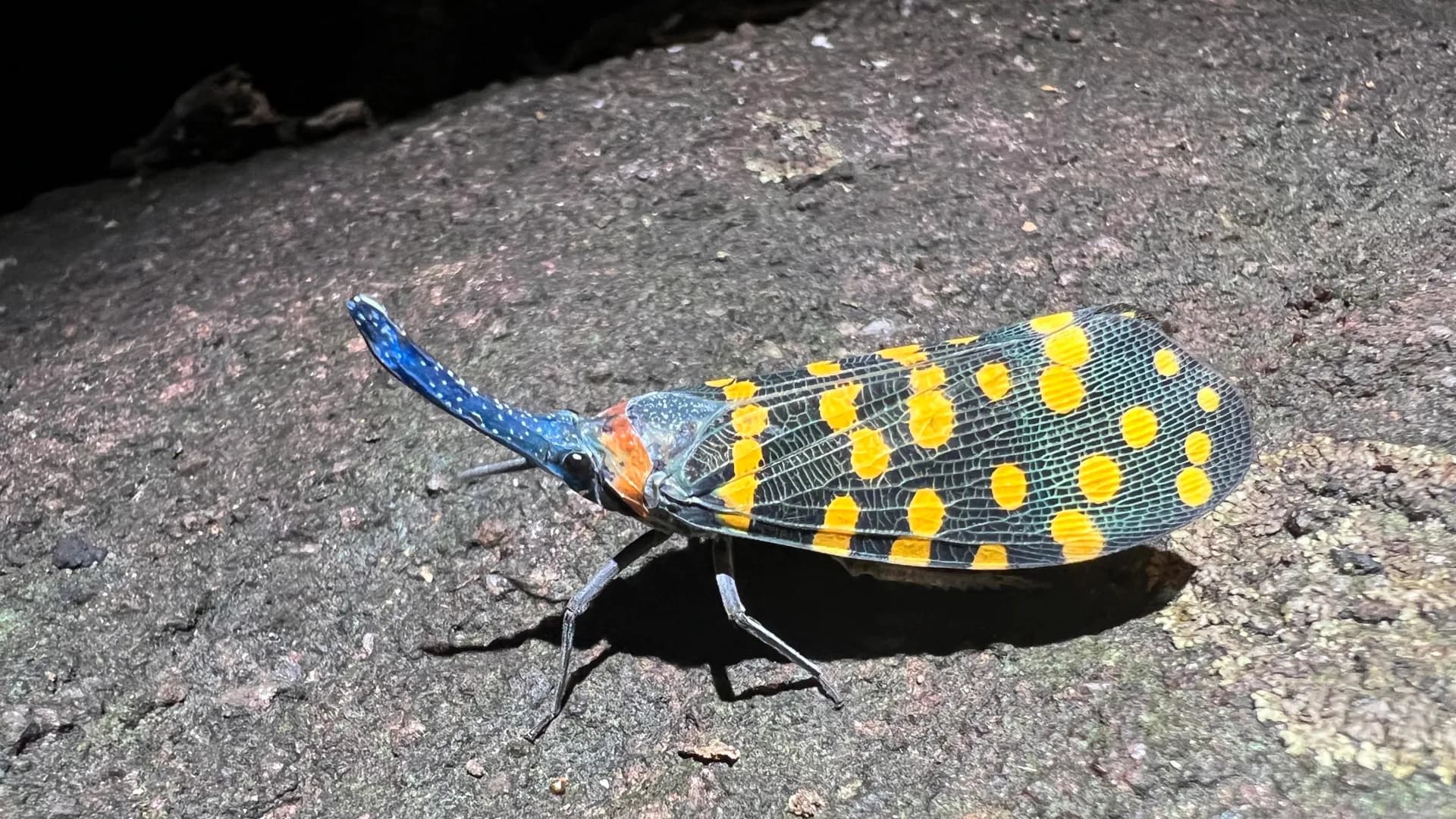
The supposed 'golden age of species discovery' hides a grim reality. Unpacking the hidden agenda behind cataloging biodiversity.
Key Takeaways
- •The 'species boom' is a distraction masking accelerating extinction rates, serving as a final inventory.
- •The true beneficiaries are institutions and entities seeking to patent or control the genetic material of newly cataloged life.
- •Future efforts will pivot from wild conservation to centralized, ex-situ bio-repository management.
- •Focusing on naming new species avoids politically difficult systemic economic changes required for real conservation.
We are being fed a comforting narrative: a “golden age of species discovery.” Every week, another new insect, fungus, or deep-sea creature is announced, painting a picture of vibrant, thriving nature. But let’s cut through the feel-good press releases. This isn't a renaissance; it’s a **desperate, last-ditch inventory** taken just before the lights go out. The real story isn't about discovery; it’s about **ecological triage** and the quiet consolidation of power over what remains.
The Unspoken Truth: Inventory Before Extinction
The surge in new species identification—often involving DNA barcoding and advanced remote sensing—isn't proof of nature's robustness. It’s proof of our accelerating destruction. Scientists are scrambling to name things that are already functionally extinct in the wild due to habitat loss. Think of it as paramedics rushing to label every victim at a massive disaster site. Naming a new species of beetle or orchid in a rapidly developing tract of rainforest doesn't save it; it merely adds a footnote to its obituary.
Who benefits? **The institutions and the patent holders.** Every new discovery is a potential source of bioprospecting—new medicines, industrial enzymes, or genetic material. The nation or institution that catalogs it first often gains leverage, leading to complex, often colonial, debates over access and benefit-sharing. The **biodiversity discovery** boom is quietly fueling a new gold rush for intellectual property rights over the planet's remaining natural capital. This isn't pure science; it's asset management in a collapsing portfolio.
Deep Analysis: The Data Paradox
The irony is staggering. We are generating more data on life than ever before, yet our capacity to *protect* that life is diminishing. This pursuit of cataloging—the sheer volume of new species identification—serves a crucial political function: it distracts from the uncomfortable truth of mass extinction rates, which are now estimated to be 1,000 times the background rate. News outlets prefer the upbeat headline of a dazzling new fish over the grim reality of the Sixth Mass Extinction. It’s a PR win for humanity: look how smart we are at finding things, even as we destroy them.
Consider the resources poured into identifying microscopic organisms versus those dedicated to stopping deforestation or reversing ocean acidification. The former is scientifically glamorous and yields publishable papers; the latter is politically toxic and requires systemic economic overhaul. The focus on species discovery allows governments and corporations to claim they are 'doing science' while avoiding the hard work of conservation policy.
What Happens Next? The 'Ark' Mentality
My prediction is that this 'golden age' will pivot sharply into a 'forced curation' phase within the next decade. As ecosystems collapse, the focus will shift entirely from in-situ (in-place) conservation to ex-situ (off-site) preservation. We will see massive, state-sponsored efforts to create global seed banks and high-security bio-repositories—essentially, planetary life insurance policies. This will create an intense, highly centralized control over global genetic resources, likely dominated by the wealthiest nations and private biotech firms. The wild will become a footnote; the lab will become the sanctuary. This shift will redefine **biodiversity discovery** from an exploration effort to a highly managed security operation.
The battleground won't be the Amazon; it will be the regulatory framework governing who owns the genetic blueprints pulled from that Amazon before the chainsaws arrive. For more on the accelerating rate of environmental change, see the data compiled by organizations like the IUCN Red List (a high-authority source).
Frequently Asked Questions
Is the rate of species discovery actually increasing?
Yes, due to advanced technology like DNA barcoding and remote sensing, scientists can now identify organisms much faster than before. However, this speed is often outpaced by the rate of habitat destruction.
What is bioprospecting in the context of new species?
Bioprospecting is the search for commercially valuable genetic and biochemical resources in nature. New species discoveries directly feed into this, as they represent previously unknown biological blueprints that could lead to new drugs or industrial materials.
What is the primary criticism of the 'golden age of discovery' narrative?
The main criticism is that it frames the situation optimistically. Critics argue it focuses on cataloging what is being lost rather than addressing the systemic drivers causing mass extinction, often serving as a form of 'greenwashing' for inaction.
How do high-authority sources track extinction?
Major authorities like the International Union for Conservation of Nature (IUCN) maintain the Red List, which systematically assesses the global conservation status of species based on rigorous scientific criteria.
Related News
Hawking's Final Theory Isn't About Black Holes—It's About Who Controls Scientific Legacy
The true battle over Stephen Hawking's final theory isn't physics; it's about legacy curation and the multi-million dollar industry of posthumous genius.

The Hidden Cost of Compassion: Why Local Charity Support for Stem Cell Science is a Trojan Horse
Local support for stem cell research hides a massive ethical and economic battleground. Who truly profits from this 'good cause'?

The Real Reason Scientists Are Backpedaling on Intermittent Fasting: It's Not About Your Health
Intermittent fasting studies are facing a scientific reckoning. Discover the hidden conflict behind the sudden shift in the intermittent fasting debate.

DailyWorld Editorial
AI-Assisted, Human-Reviewed
Reviewed By
DailyWorld Editorial