The Silicon Valley of Poultry: Why 'Perfect' Peking Duck Is Now a Scientific Conspiracy, Not Culinary Art
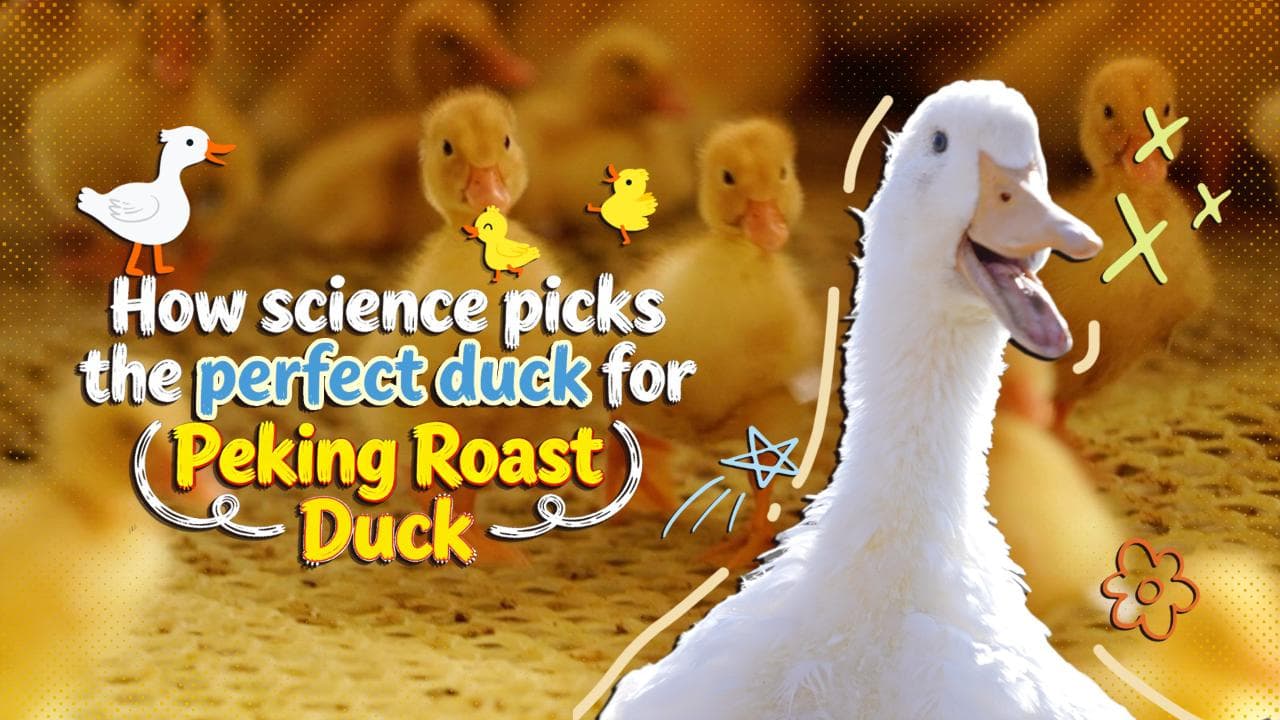
The quest for the ultimate Peking Duck is no longer about tradition; it's about **biotech and genetic selection**. Unpacking the industrialization of flavor.
Key Takeaways
- •The selection of ducks for Peking Roast is shifting from culinary art to data-driven genetic optimization.
- •This industrial standardization threatens biodiversity and may sacrifice nuanced flavor for predictable yield.
- •The primary winners are large-scale agricultural tech firms controlling the standardized supply chain.
- •A future backlash is inevitable, leading to a premium market for 'imperfect' heritage breeds.
The Hook: Is Your Michelin Star Duck Lab-Grown?
Forget the romantic image of the grizzled chef painstakingly selecting a bird based on instinct. The pursuit of the **perfect Peking Duck**—that impossibly crisp skin and succulent meat—has entered the sterile, high-stakes arena of **food science** and **genetic optimization**. We are witnessing the industrialization of flavor, where heritage breeds are being replaced by bio-engineered efficiency. This isn't just about better poultry; it’s about the frightening precision creeping into every aspect of our culinary heritage. The real story isn't the duck; it's the data driving its selection.
The recent focus on using advanced metrics—from fat deposition rates to specific muscle fiber density—to choose the ideal bird reveals a central tension in modern gastronomy: Can true culinary excellence survive the algorithm? While proponents laud the consistency and minimized waste this scientific approach offers, the implication is chilling. We are trading the nuanced, unpredictable magic of terroir and traditional husbandry for predictable, reproducible mediocrity dressed up in a glossy scientific veneer. The ultimate winner here isn't the diner; it's the large-scale agricultural conglomerate that can standardize the supply chain.
The Unspoken Truth: Standardization Kills Soul
The core of the issue lies in the definition of "perfect." For a high-volume, high-end restaurant, "perfect" means reliable yield and consistent cost per plate. For the customer, it means an experience that mirrors the last one. Science, in this context, is merely a tool for **supply chain optimization**. When researchers fine-tune genetics to maximize subcutaneous fat—the key to that crackling skin—they are simultaneously narrowing the genetic pool. This lack of biodiversity makes the entire food system incredibly vulnerable. A single novel pathogen could wipe out a highly specialized, genetically uniform population, causing chaos in the high-end duck market.
Furthermore, this reliance on quantifiable metrics fundamentally misunderstands flavor. Flavor is complex, involving volatile organic compounds influenced by diet, environment, and stress—factors often ignored when focusing purely on weight-gain curves. The **food science** revolution risks creating a world where everything tastes technically correct but emotionally hollow. This is the hidden cost of efficiency in the pursuit of **culinary excellence**.
The Deep Dive: Who Really Wins in the Duck Wars?
The biggest beneficiaries are not the chefs, but the agricultural technology firms and large-scale breeders who provide the standardized stock. They control the IP, the feed, and the slaughter metrics. The smaller, traditional farmers using heritage breeds—the ones whose ducks might have slightly less uniform fat but superior underlying flavor complexity—are being priced out. They cannot compete with the statistical certainty offered by the scientifically curated bird. This trend mirrors what we've seen in beef and coffee production: the slow erosion of artisanal methods under the relentless pressure of scalable **biotech**. For a deeper look at how industrialization impacts staple foods, consider the historical context of standardized agriculture.
Where Do We Go From Here? The Flavor Rebellion
My prediction is that this scientific push will trigger a severe, high-end backlash within the next five years. As the standardized duck becomes ubiquitous, true gourmands will begin actively seeking out the *imperfect* bird—the one raised outside the optimized metrics. We will see a rise in 'Hyper-Local Heritage Duck' certifications, where provenance and non-standardized genetics become the ultimate luxury marker, much like natural wine is rebelling against mass-produced vintages. The pursuit of **perfect Peking Duck** will eventually circle back, valuing the very unpredictability that science sought to eliminate. The market will bifurcate: cheap, scientifically optimized duck for the masses, and expensive, messy, historically accurate duck for the elite who can afford authenticity.
Gallery


Frequently Asked Questions
What specific scientific metrics are used to select the 'perfect' Peking Duck?
Selection often focuses on achieving optimal subcutaneous fat-to-muscle ratio, rapid weight gain curves, and specific muscle fiber density, all measured through advanced imaging and biometric tracking before processing.
Are heritage duck breeds being completely replaced by optimized strains?
While optimized strains dominate large commercial operations due to efficiency, heritage breeds still exist. However, they struggle to compete on price and consistency, often being relegated to niche or high-end artisanal markets.
How does genetic standardization affect food safety?
High genetic uniformity reduces overall resilience. A single, highly effective pathogen could decimate a large, genetically similar population far more easily than a diverse one, posing a significant risk to the supply chain.
What is the core difference between traditional and scientifically selected duck flavor?
Traditional flavor often stems from a varied diet and slower growth, leading to complex intramuscular fat distribution. Scientific selection prioritizes rapid, uniform subcutaneous fat for crispiness, sometimes at the expense of deeper, varied flavor profiles.
