The Silent War: Why F1's 2026 Tech Overhaul Is A Hidden Gift to Mercedes and A Death Sentence for Ferrari
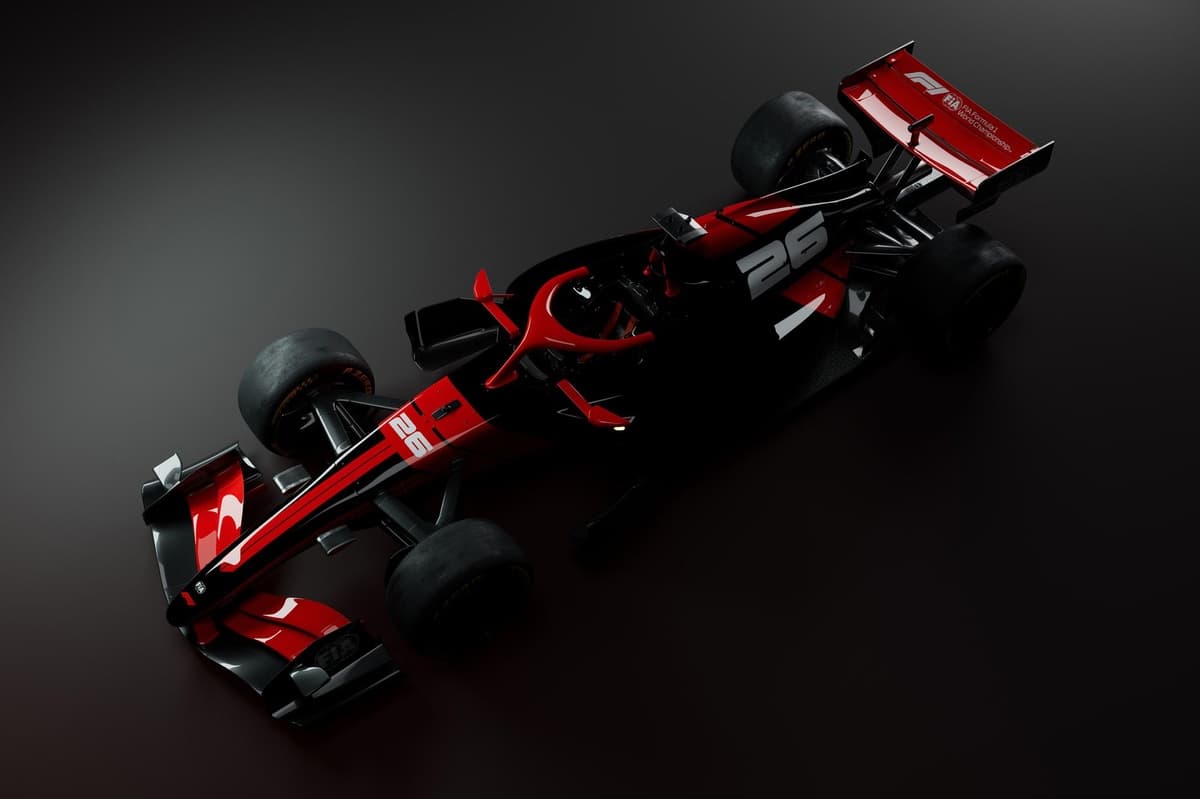
Unpacking the seismic shift in F1 2026 technology: the real winners, losers, and the hidden agenda behind the new power unit regulations.
Key Takeaways
- •The 2026 sustainable fuel mandate disproportionately benefits established engine manufacturers like Mercedes due to integration complexity.
- •The new aerodynamic rules heavily amplify sensitivity to ride height, favoring teams mastering underfloor airflow (like Red Bull's current expertise).
- •The technological reset will likely lead to a wider performance gap initially, not parity, as R&D costs strain mid-field budgets.
- •This overhaul is more about securing future automotive manufacturer buy-in than immediate on-track competition.
The Silent War: Why F1's 2026 Tech Overhaul Is A Hidden Gift to Mercedes and A Death Sentence for Ferrari
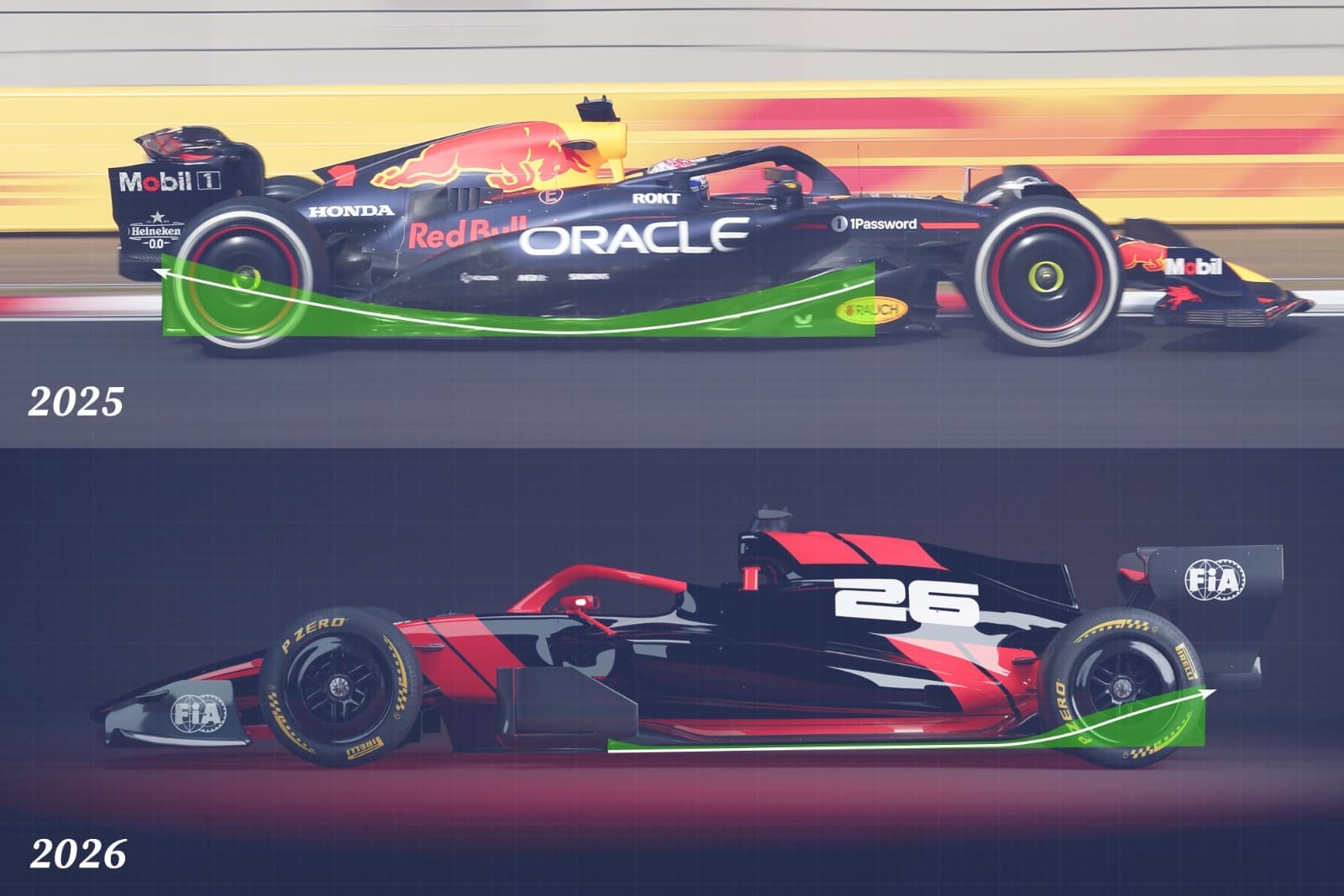
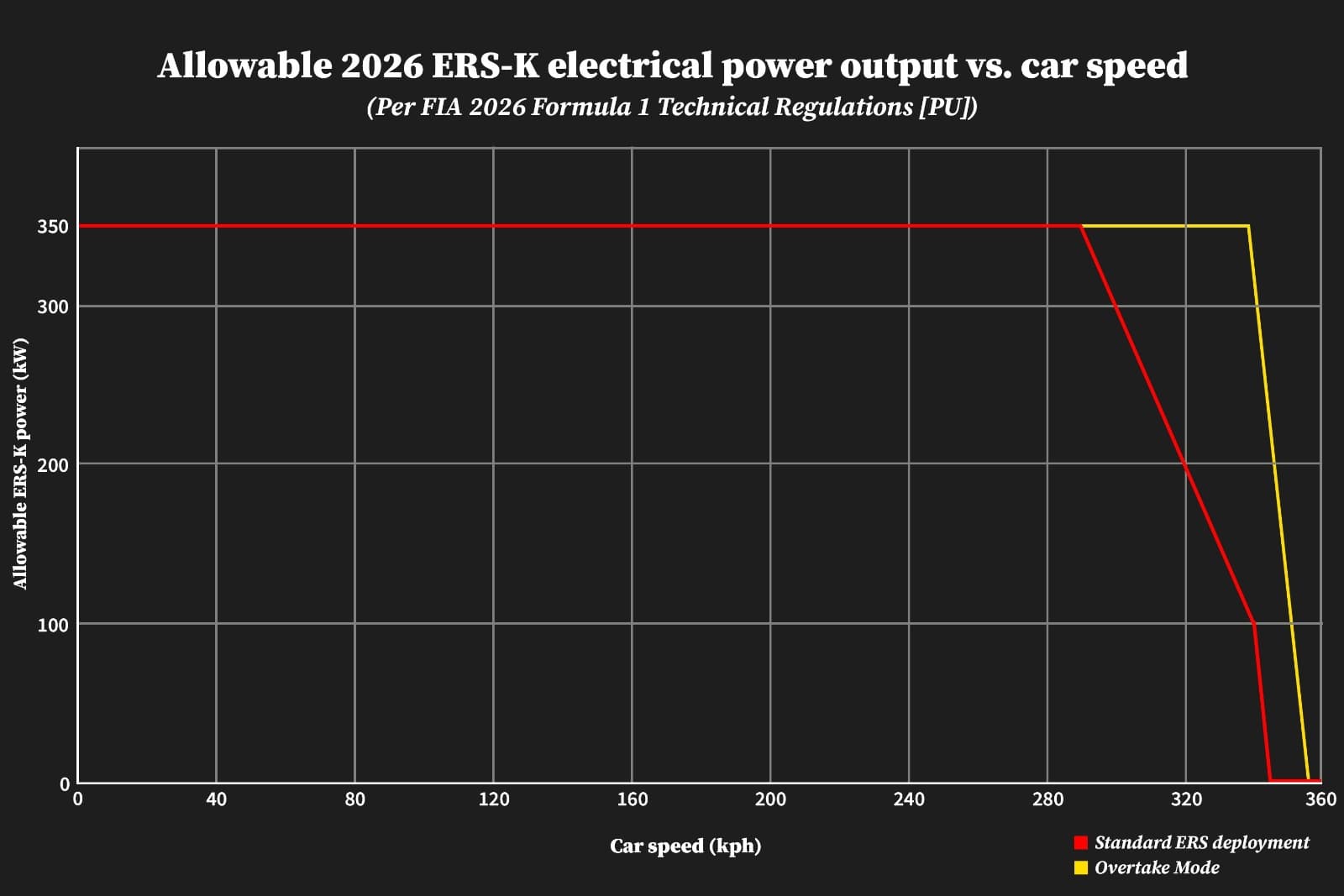
Formula 1 loves to announce sweeping regulatory changes with fanfare, promising closer racing and 'sustainability.' The 2026 power unit regulations—combining a 50/50 split between electric power and internal combustion, and the mandated use of 100% sustainable fuels—are being framed as an environmental necessity. **But the real story isn't about saving the planet; it's about a brutal technological reset that favors institutional stability over nimble innovation.** The key terms—Sustainable Fuels, Mandated MGU-K Power, and the shift to a simpler turbocharger setup—are code for a massive, expensive gamble. ### The Unspoken Truth: Who Really Wins the Tech War? Everyone points to the new 100% sustainable fuel mandate as the great equalizer. They are wrong. This is where the current dominant players, primarily Mercedes-AMG High Performance Powertrains, stand to gain an unassailable advantage. Why? Because the development window for these bespoke, drop-in fuels is incredibly narrow. Oil companies and engine manufacturers must collaborate intensely *now*. Mercedes, with its existing, proven hybrid architecture and deep partnerships, can integrate these complex new energy delivery systems far more smoothly than rivals scrambling for partnerships or attempting radical redesigns. Ferrari, historically reliant on singular engine brilliance, faces a monumental task integrating completely new electrical architecture with their existing ICE knowledge base under extreme time pressure. This isn't a reset; it’s a **strategic pivot favoring incumbents** who can absorb the massive R&D costs. ### The Aerodynamic Mirage: Downforce vs. Ground Effect While the engine gets the headlines, the aerodynamic changes—the move towards simpler front wings and the reliance on ground effect through the floor—are equally disruptive. The goal is to reduce overall downforce by 30% to lower cornering speeds and aid overtaking. However, the true analysis reveals a significant risk: **The cars will become more sensitive to ride height and setup than ever before.** Teams that master the sensitivity of the underfloor airflow—a dark art perfected by Red Bull in the current era—will see their performance gains amplified, while teams struggling with aerodynamic balance will be left nursing unstable machines. The promise of easier following is often a mirage; increased sensitivity often leads to more 'snappy' cars when running in dirty air. ### Where Do We Go From Here? The Prediction My prediction is stark: **The 2026 season will feature a performance gap wider than any seen since the V6 Turbo-Hybrid era began in 2014, but this time driven by component integration, not just raw power.** The teams that successfully merge their new sustainable fuel strategy with their ground-effect aerodynamics will dominate the first two years of the regulation cycle. Expect a mid-field scramble for third place, while the top two or three manufacturers who nail the complex interplay between the 350kW MGU-K and the new ICE architecture will run away with the titles. This isn't about parity; it’s about **technological chasm** driven by compliance complexity. The cost cap adds another layer of pressure, meaning only the best-resourced *and* best-organized teams can afford the inevitable early failures in development. The current **F1 technology** landscape is about to be violently reshaped. ### The Hidden Cost of 'Green' Racing This regulatory shift is fundamentally about making F1 palatable to future automotive sponsors and meeting global emissions targets, as detailed by the FIA's push for net-zero goals. While commendable, the cost barrier to entry for new manufacturers increases exponentially. Only organizations with the deep pockets of Audi or the established might of the current incumbents can absorb this level of hardware overhaul. This stifles the organic growth of the grid, solidifying the dominance of the established giants. It's the price of 'greenwashing' the fastest sport on Earth. For deeper context on global energy shifts, see the latest reports from the International Energy Agency (IEA) [https://www.iea.org/about/mission](https://www.iea.org/about/mission).Gallery


Frequently Asked Questions
What is the main goal of the F1 2026 power unit regulation change?
The primary stated goals are achieving a 50/50 power split between electric and combustion power and mandating the use of 100% sustainable fuels, aiming for greater sustainability and potentially closer racing.
How will the MGU-K power output change in 2026?
The Motor Generator Unit – Kinetic (MGU-K) power output is set to significantly increase, matching the internal combustion engine output, moving towards a 350kW (approx. 470 hp) electric contribution.
Are the 2026 regulations designed to make cars slower?
Yes, the regulations aim to reduce overall downforce by about 30% compared to 2022/2023 specifications, primarily through simpler front wings and revised floor dimensions, to lower cornering speeds.
What are sustainable fuels in the context of F1?
Sustainable fuels (e-fuels) are synthetic fuels created using renewable energy sources and captured carbon dioxide, designed to be carbon-neutral upon combustion, aligning with F1's net-zero goals (check IEA insights for global context).
