The Silent War: Why China's New Tech Funds Are a Declaration of Economic Independence, Not Just Investment
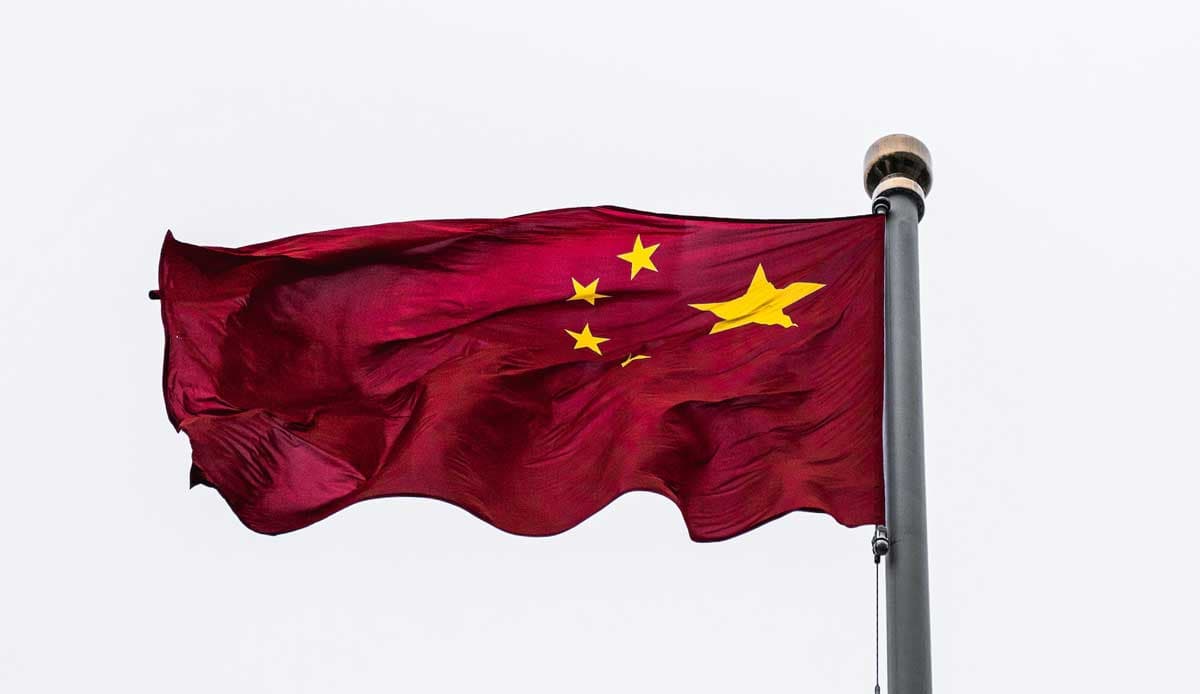
Beijing's massive state-backed venture funds signal a final break from Western tech dependence, creating a geopolitical fault line.
Key Takeaways
- •These funds signify a strategic pivot toward total technological self-sufficiency, bypassing reliance on Western supply chains.
- •The primary target is 'hard technology'—areas under current Western export control pressure.
- •The state's involvement distorts market signals, prioritizing national security mandates over pure profitability.
- •This aggressive funding will likely lead to international market dumping and the collapse of non-aligned competitors in specific tech sectors.
The Hook: The Illusion of Open Markets
When Beijing announces the launch of colossal, state-backed venture funds targeting so-called ‘hard technology’—think semiconductors, advanced materials, and aerospace—the mainstream narrative frames it as mere industrial policy. This is dangerously naive. This isn't just about investment; it’s about strategic decoupling. The real story isn't the money being deployed; it’s the implied admission that relying on Silicon Valley and its allies is no longer tenable. This move is a declaration of economic sovereignty, and the winners won't be the startups seeking capital, but the state securing its future autonomy.
The 'Meat': Analyzing the State's Iron Fist
The sheer scale of these new funds—often dwarfing private sector contributions—reveals the central tension in modern Chinese technology development. They are targeting 'hard tech' precisely because this is where the West maintains its most effective choke points, primarily through export controls on high-end manufacturing equipment and advanced chip design software. By injecting massive, patient capital directly into these foundational, capital-intensive sectors, Beijing is attempting to bypass the traditional venture capital ecosystem, which is too slow, too risk-averse, and too susceptible to international pressure. This is not capitalism; it’s directed resource allocation on a national scale. The key phrase here is 'state-backed venture funds'; the mandate is national security first, profit second. This fundamentally changes the risk calculation for any company accepting the cash.
We must look beyond the press releases. Who loses? American and European chip equipment makers who were counting on China's participation in the global supply chain are the immediate losers. They are now facing a competitor built specifically to replace them, subsidized by limitless government funds. The immediate winners are the domestic champions who can align their roadmaps perfectly with state mandates, essentially receiving blank checks for strategic goals.
The 'Why It Matters': Geopolitics in Silicon and Steel
This shift represents the final phase of the 'Great Decoupling.' For years, the debate centered on trade balances. Now, the battleground is the transistor. Control over advanced logic nodes (like 3nm or 2nm) is the new oil. By pouring resources into domestic self-sufficiency, China is betting that the timeline for achieving parity in foundational technology is shorter than the West’s willingness to maintain a unified blockade. This aggressive state intervention distorts global markets, creating potential oversupply in niche areas while simultaneously protecting core national interests from external coercion. The global technology sector is fracturing into two distinct spheres of influence, and these funds are the mortar for the walls of the Chinese sphere.
What Happens Next? The Inevitable Overshoot
My prediction is bold: Within five years, these state-backed initiatives will result in a significant, albeit temporary, glut in specific 'hard tech' areas, particularly in mature node semiconductors and certain advanced materials. This oversupply, fueled by state guarantees, will be dumped onto international markets at artificially low prices, bankrupting smaller, unsubsidized international competitors who cannot absorb the losses. This isn't just about catching up; it's about weaponizing scale to crush the competition that remains outside the geopolitical rift. The next major flashpoint won't be Taiwan; it will be the pricing structure of specialized lithography components sold in Southeast Asia.
For more on the global chip wars, see Reuters' analysis on export controls [Reuters]. Understanding the historical context of state-led industrialization is also crucial [Wikipedia]. The US response, focusing on domestic subsidies like the CHIPS Act, shows the West is reacting, but perhaps too late [The New York Times].
Frequently Asked Questions
What does 'hard technology' specifically refer to in this context?
Hard technology generally refers to foundational, capital-intensive sectors critical for national security and advanced manufacturing, such as semiconductors, advanced materials, aerospace components, high-precision machinery, and specialized industrial software.
How do state-backed venture funds differ from traditional VC?
Traditional VC seeks market-rate returns on high-risk investments. State-backed funds prioritize strategic national goals, often accepting lower or delayed returns, and are insulated from political pressure, allowing them to pursue projects deemed too risky or long-term by private investors.
Is this a direct response to US sanctions and chip restrictions?
Yes, it is a direct and accelerated response. While China has sought self-sufficiency for years, Western sanctions have compressed the timeline, forcing the state to deploy massive capital now to rapidly close critical technological gaps.
Who are the immediate losers from this state investment strategy?
The immediate losers are international suppliers of high-end manufacturing equipment and foreign technology firms that relied on the Chinese market as a primary source of growth and diversification.

DailyWorld Editorial
AI-Assisted, Human-Reviewed
Reviewed By
DailyWorld Editorial