The Secret Cost of Growing Human Organs in Pigs: Why This Breakthrough Is Terrifying
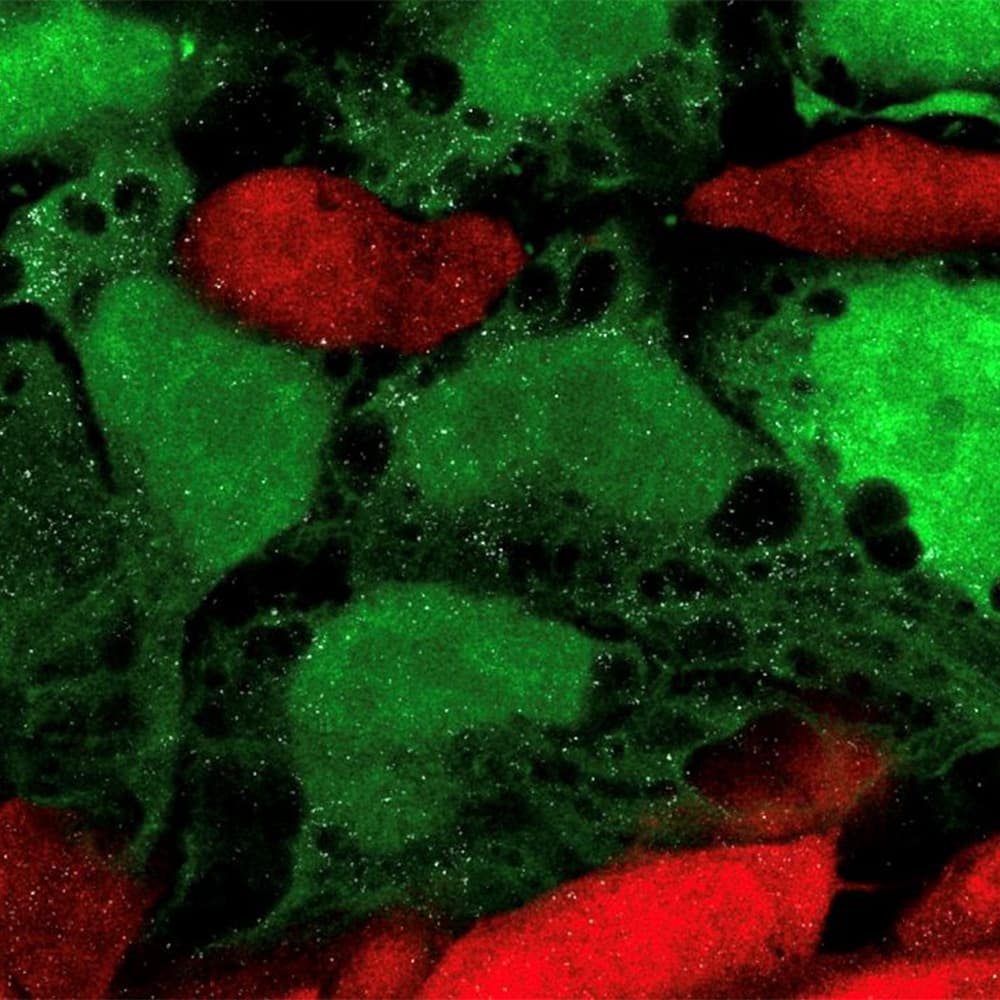
The race for **xenotransplantation** just hit warp speed. But beyond the medical miracle, who really controls the future of **organ shortage solutions**?
Key Takeaways
- •The breakthrough in growing humanized organs in pigs dramatically accelerates the potential end of organ waiting lists.
- •The unspoken risk is the industrialization and commodification of biological spare parts, controlled by private entities.
- •The technology introduces novel, under-discussed risks regarding the potential for unknown zoonotic diseases.
- •Future access will likely be highly stratified, favoring the wealthy until mass production stabilizes.
The Hook: When Does Progress Become Pandora's Box?
The headlines scream success: UT Southwestern scientists are inching closer to growing functional human organs inside other species, specifically pigs. This isn't just incremental science; it’s a potential end to the organ transplant waiting list crisis. But beneath the veneer of medical salvation lies a much darker, largely unexamined truth about **xenotransplantation** and the ethical chasms we are gleefully leaping over.
The breakthrough centers on refining the technique to make a pig's cells 'forget' they are pigs, allowing them to be colonized by human stem cells to grow chimeric organs. This is the holy grail for solving the **organ shortage solutions** crisis plaguing modern healthcare. But let's be brutally honest: this technology doesn't just save lives; it creates an entirely new, highly commodified biological asset.
The 'Meat' of the Matter: Beyond the Petri Dish
The technical achievement is undeniable. By manipulating RNA signaling pathways, researchers are making the cellular environment in the host animal far more receptive to human input. This reduces the immunological rejection that has historically derailed these efforts. However, the real story isn't the science; it’s the industrialization of the body. We are moving from using animals as models to using them as living, breathing bioreactors for spare parts.
The immediate winners are obvious: the transplant recipients, and, crucially, the biotech firms and research institutions that will patent these highly specialized breeding lines. The unseen losers? The ethical framework surrounding animal life and the potential for unforeseen zoonotic disease transfer. When you engineer an animal to grow a human pancreas, you are playing with biological fire. Every successful step forward in **xenotransplantation** tightens the grip of corporate control over the most fundamental human need: biological continuity.
Why It Matters: The Commodification of Flesh
This isn't just about extending life; it's about redefining scarcity. If we can reliably grow organs on demand, who gets access first? Will this technology be available to the masses, or will it become the ultimate luxury good, accessible only to those who can afford the proprietary biological pipeline? History suggests the latter. The focus on speed and efficiency—the hallmark of modern biotech—often bypasses the necessary, slow ethical deliberation.
Furthermore, consider the long-term ecological and biological risk. While safeguards exist, the idea of introducing humanized animal organs into the general population creates a novel pathway for previously contained retroviruses to jump species barriers. This is the hidden volatility that venture capital rarely discusses. We risk solving one crisis by manufacturing a potentially larger, more systemic one.
What Happens Next? The Prediction
My prediction is bold: Within five years, the first *fully* humanized, pig-grown kidney will be approved for highly restricted human trials, bypassing many standard regulatory hurdles due to the sheer desperation of the organ waiting list. However, the regulatory body that approves this will inadvertently create a shadow market. Wealthy individuals, unwilling to wait for the slow rollout, will seek out unregulated, private clinics offering 'direct access' to these nascent bio-factories. The immediate future of **organ shortage solutions** will be a messy, two-tiered system: regulated, slow access for the public, and immediate, high-risk access for the ultra-rich.
This technology, while promising salvation, will ultimately highlight—and exacerbate—existing socioeconomic divides in access to life-saving medical breakthroughs. The true test isn't growing the organ; it's ensuring its equitable distribution. For more on the regulatory challenges, see reports from the [FDA](https://www.fda.gov/).
Gallery

Frequently Asked Questions
What is xenotransplantation and why is it controversial?
Xenotransplantation is the process of transplanting organs or tissues between different species, typically from animals to humans. It is controversial due to ethical concerns about animal welfare and the high risk of transmitting animal viruses (zoonosis) to the human population.
What specific challenge did the UT Southwestern research overcome?
The research focused on manipulating RNA signaling pathways within the host animal (like a pig) to create a more permissive cellular environment, making it easier for human stem cells to successfully colonize and develop into functional human tissues rather than being rejected by the host's natural cellular defenses.
How does this relate to the human organ shortage?
If successful and scalable, growing human-compatible organs in animals would provide an almost limitless supply of transplantable organs, effectively ending the global shortage that currently leads to thousands of preventable deaths annually.
What are the main regulatory hurdles remaining for xenotransplantation?
The primary hurdles involve long-term safety testing, ensuring the absence of latent animal retroviruses in the transplanted organs, and establishing clear ethical guidelines for the creation and use of genetically modified animals raised specifically for organ harvesting. For background on regulatory approaches, consult the [NIH](https://www.nih.gov/).

DailyWorld Editorial
AI-Assisted, Human-Reviewed
Reviewed By
DailyWorld Editorial