The Science Budget Illusion: Why Escaping Cuts Means This Sector Is Still Losing the War
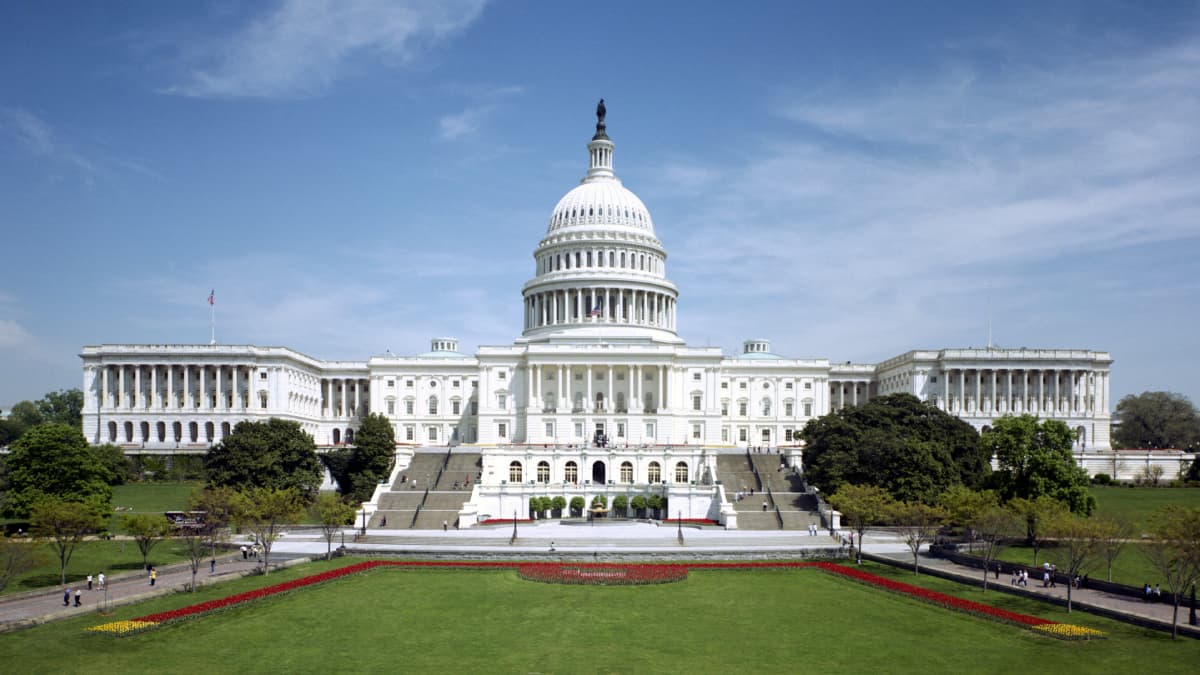
The latest budget news suggests science funding is safe, but the subtle cuts hide a deeper, structural failure in US research investment.
Key Takeaways
- •Stagnant funding during high inflation acts as a significant real-term budget cut.
- •The political win obscures a loss for high-risk, disruptive scientific innovation.
- •The current situation favors established research institutions over emerging talent.
- •The US risks losing its global competitive edge due to short-term budget thinking.
The Capitol Mirage: Why 'Escaping Cuts' is a Political Victory, Not a Scientific One
The headlines scream relief: US science funding has dodged the deep, punitive reductions initially threatened in the latest congressional budget skirmishes. It sounds like a win for researchers, a victory for innovation, and a nod to long-term prosperity. But let’s be clear: this isn't a victory lap. It’s a tactical retreat by politicians who understand that outright dismantling the engine of future economic growth is politically toxic. The real story isn't the money saved; it’s the money *not gained*.
The unspoken truth in Washington D.C. is that steady-state funding is the new austerity. When inflation is running high, and the cost of advanced equipment, specialized personnel, and critical infrastructure skyrockets, maintaining last year’s budget is functionally a massive cut. This is the sleight of hand being pulled on the American public and the global research and development community. Agencies like the National Science Foundation (NSF) or NIH might see flat appropriations, but their real purchasing power is eroding year over year. This slow strangulation starves ambitious, high-risk projects—the very ones that yield true paradigm shifts.
The Hidden Agenda: Favoring the Known Over the Necessary
Who truly wins in this scenario? The established players. Large, well-connected institutions with existing contracts and politically favored research streams can weather the storm. The real losers are the disruptive outsiders: the ambitious post-docs applying for their first major grant, the small university labs trying to pivot to emerging technologies, and the foundational, blue-sky science that rarely offers an immediate, marketable return on investment. Congress is implicitly signaling a preference for incremental, safe science over revolutionary, potentially risky ventures. This isn't just fiscal policy; it’s an innovation policy designed to maintain the status quo.
We must look beyond the immediate appropriations battle and consider the global context. Nations like China are not debating flat budgets; they are announcing exponential increases in areas deemed critical for future dominance. By accepting budgetary stagnation, the US effectively concedes ground in the global race for technological supremacy. This matters because long-term scientific research underpins national security, energy independence, and public health readiness. The current budget reflects a short-term political focus, not a strategic national vision.
What Happens Next? The Prediction
My prediction is simple: we will see a significant, quiet brain drain over the next 18 months. Talented early-career scientists, burned out by grant competition that favors incumbents and frustrated by the inability to purchase necessary instruments due to inflation, will migrate. They will move to industries that offer better R&D funding certainty (e.g., private tech sectors) or to international competitors who are aggressively courting talent with better research climates. The resulting gap won't be felt immediately, but by 2028, the US will face a critical shortage in several key emerging fields that rely heavily on federally funded basic science.
This budget 'escape' is merely a postponement of a reckoning. True investment requires growth, not just stasis. Until Congress treats science funding as a competitive national asset rather than a discretionary line item to be defensively protected, the American innovation edge will continue to dull. We need bolder commitments, not just better damage control.
Frequently Asked Questions
What is the primary danger of flat science funding in an inflationary environment?
The primary danger is the erosion of purchasing power. If inflation is 3% and the budget is flat, the actual capacity to buy equipment, hire staff, and conduct research effectively decreases by 3%, leading to project delays and cancellations.
Which US agencies are most sensitive to these subtle budget shifts?
Agencies focused heavily on basic, foundational research, such as the National Science Foundation (NSF) and parts of the Department of Energy (DOE) Office of Science, are often the most vulnerable to the impact of flat budgets, as their mandates are less tied to immediate commercial returns.
How does this US budget stance compare to global competitors?
Many geopolitical rivals, particularly China, are aggressively increasing their long-term science and technology budgets, viewing R&D as a critical national security and economic imperative, contrasting sharply with the US's maintenance-mode approach.
What does 'brain drain' mean in the context of scientific funding?
Brain drain refers to the emigration of highly educated and skilled scientists and researchers from the US to countries offering more stable, better-funded, or less bureaucratic research environments.
Related News

The Georgia Health Overhaul: Who Really Wins When Bureaucracy Gets 'Streamlined'?
Georgia's push to streamline the public health system hides a darker truth about privatization and control. Analyze the hidden agenda.
The Silent War: Why the Attempt to Defund American Science Was a Political Suicide Mission
The failed attempt to gut US science research funding reveals a deeper political rot, benefiting incumbents while threatening long-term innovation.
The Hidden War on American Innovation: Why Gutting Science Funding is the Real Political Weapon
The battle over federal science funding isn't about budgets; it's about control. Discover who truly benefits from crippling U.S. research.
