The Real Reason France is Sounding the Alarm on Social Media: It's Not About Your Kids, It's About Control
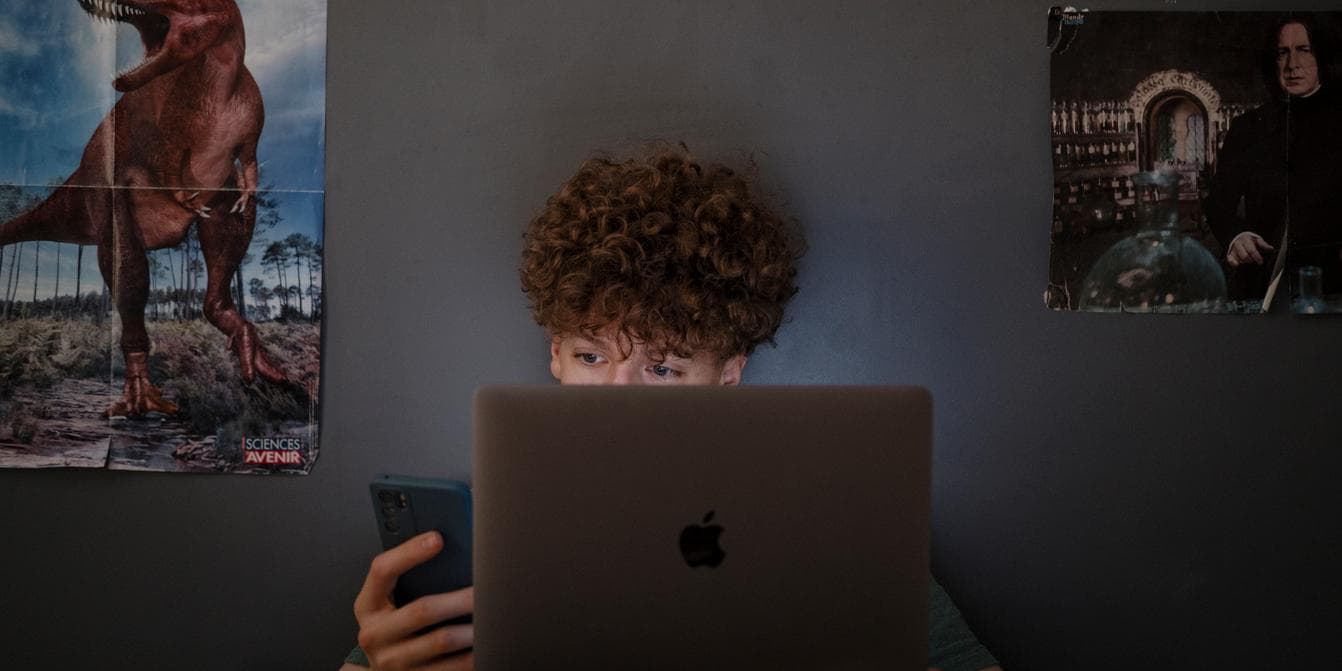
France's health agency warns about social media risks to teenagers, but the deeper truth about digital regulation and societal stability is being ignored.
Key Takeaways
- •The official focus on teen mental health masks a deeper state concern over loss of narrative control to global platforms.
- •Regulatory action signals a coming push for national digital spheres, threatening the open internet.
- •The true winner in increased regulation is the state seeking to manage ideological fragmentation.
- •Expect stricter compliance demands from tech giants or outright national restrictions.
The Hook: The Quiet Panic Behind the Public Warning
The headlines scream about teen mental health and the dangers lurking on TikTok and Instagram, following a stern warning from France's national health agency. Everyone nods along, agreeing that screen time is toxic. But this obligatory hand-wringing misses the forest for the trees. The real story isn't about ephemeral self-esteem issues; it’s about the state’s desperate attempt to regain narrative control in an ecosystem they fundamentally failed to regulate.
The official focus on generalized 'risks' is a smokescreen. The actual, terrifying reality for authorities is the unmediated, viral spread of ideas that challenge established order. We are witnessing an institutional admission that the digital town square is now ungovernable. This isn't just a health advisory; it’s a geopolitical tremor.
The Meat: Deconstructing the 'Health' Narrative
When France’s health body flags risks, the immediate assumption is depression or body image issues. These are real, yes, but they are the symptoms, not the disease driving this official panic. The **digital wellness** debate always pivots to the individual user, conveniently distracting from the platform's role in amplifying radicalization, misinformation, and economic instability. Think critically: Who benefits when the conversation centers on teenagers needing 'digital literacy' training instead of holding Meta accountable for algorithmic manipulation?
The unspoken truth is that social media platforms have become the primary vectors for political discontent and rapid mobilization—a threat to centralized authority far greater than any single case of anxiety. The French government, historically protective of its cultural and ideological sovereignty, sees its youth being shaped by Silicon Valley’s opaque code, not Parisian classrooms. This is a sovereignty crisis disguised as a public health campaign.
We must examine the global context. The push for stricter platform oversight is happening everywhere, signaling a coordinated regulatory pushback against unchecked tech power. For analysis on the underlying economic forces driving platform design, look to established reports on platform economics [e.g., Reuters coverage of antitrust actions].
The Why It Matters: The Age of Algorithmic Sovereignty
The core issue impacting youth development today is not just screen time; it's the erosion of shared reality. When every teenager lives in a personalized information silo, consensus becomes impossible. This fragmentation makes governance exponentially harder. The danger isn't that teens feel sad; the danger is that they become ungovernable because their reference points are global, decentralized, and often adversarial to the nation-state.
This regulatory impulse, however well-intentioned regarding teen mental health, is a precursor to heavier censorship. Once the door is open citing 'safety,' the scope inevitably widens. We saw this pattern emerge after initial calls for online safety legislation in the US and UK. The regulatory framework built today will be used tomorrow to manage dissent, not just depression.
What Happens Next? The Great Digital Balkanization
My prediction: We will see a rapid acceleration toward a 'balkanized' internet, driven by national security concerns masquerading as health mandates. Expect France to lead the charge in creating a 'sovereign digital sphere,' heavily policed and perhaps even utilizing nationalized or heavily subsidized alternatives. The current platforms will either comply with increasingly stringent data localization and content moderation rules (effectively becoming state proxies) or face crippling fines and effective bans. The battle for the future of youth is really a battle for the future of national borders in the digital age.
Alt Text Images:


Gallery

Frequently Asked Questions
What specific risks did the French health agency highlight regarding social media?
While the agency cited risks to general well-being, the underlying concern often relates to exposure to harmful content, cyberbullying, and the documented negative correlation between heavy usage and adolescent mental health metrics.
Why is this warning happening now, years after social media peaked in popularity?
The current wave is driven by data showing long-term cognitive and emotional impacts, coupled with governments realizing the regulatory window is closing. It’s a reactive measure against entrenched technology.
Are these warnings likely to lead to actual bans or major platform changes in France?
Yes, France has historically been aggressive with tech regulation (e.g., GDPR enforcement). These warnings set the public and political groundwork for stricter legislation targeting algorithmic transparency and age verification.
What is the 'Unspoken Truth' about social media regulation?
The unspoken truth is that governments prioritize controlling the flow of information that challenges state authority over purely protecting individual user well-being. Control precedes care.
Related News

The Hidden Cost of Kano's Tech Boom: Why 'Innovation' in Africa is Often Just Digital Colonialism
Forget the glossy press releases. The true impact of science and tech initiatives in Kano reveals a deeper geopolitical struggle over digital sovereignty.

The Hidden Cost of China's Mushroom Diplomacy: Who Really Profits From African Agri-Tech Training?
Beneath the surface of mushroom training lies a geopolitical play. Unpacking the true winners and losers in this 'Juncao Technology' agricultural push.
China's Digital Cage: The Hidden Cost of 'Convenience' in the World's Largest Tech Lab
Unpacking the true price of China's hyper-digitized daily life: convenience for the state, compliance for the citizen.
