The Real Price of Power: Why Egypt's Push for Chinese Mining Tech is a Geopolitical Trojan Horse
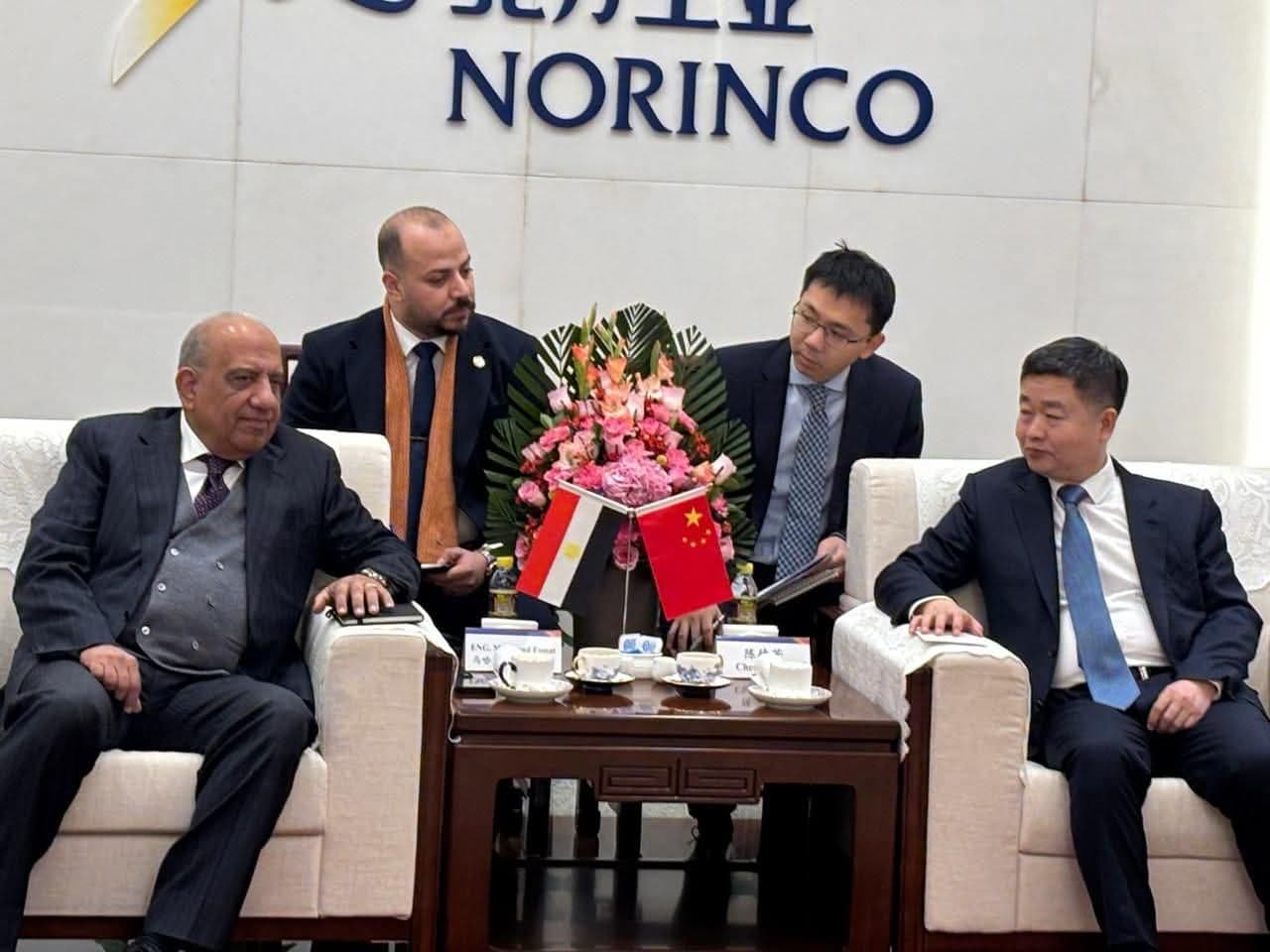
Egypt's deal with NORINCO for mining and tech cooperation hides critical dependency risks. Analyze the hidden costs of this 'technology' pivot.
Key Takeaways
- •Cooperation with NORINCO, a defense-linked entity, introduces significant strategic dependency risks for Egypt's critical sectors.
- •The deal prioritizes immediate technological modernization over long-term control of resource supply chains.
- •This move aligns with China's broader strategy of embedding influence through state-owned technology providers.
- •Expect future expansion into digital infrastructure, solidifying vendor lock-in.
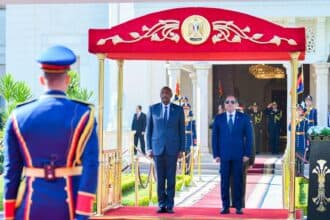
The news landed with a muted thud: Egypt’s Electricity Minister is exploring cooperation with China’s NORINCO—a name that should send shivers down the spine of any geopolitical analyst—specifically in mining and technology integration. On the surface, this looks like standard infrastructure diplomacy: securing resources and modernizing the grid. But let’s be clear: this isn't about simple technology transfer; it’s about **strategic dependency**.
The Unspoken Truth: It's Not Just Copper, It's Control
NORINCO (China North Industries Group Corporation) is not merely a tech firm; it is a state-owned defense giant with deep ties to the People’s Liberation Army. When a nation like Egypt, which is navigating complex relationships in the Middle East and balancing Western debt with Eastern investment, invites such an entity into its foundational energy and resource sectors, the implicit bargain shifts dramatically.
The immediate benefit cited will be access to advanced mining techniques—perhaps for rare earths or critical minerals essential for the green transition. This addresses Egypt’s immediate need for **energy security** and technological upgrades. However, the unspoken truth is that integrating core infrastructure with a defense-linked entity creates massive potential leverage points. Every piece of technology deployed, every mineral extraction process optimized, comes with embedded software, maintenance protocols, and supply chain dependencies wholly controlled by Beijing.
Who truly wins? China wins by cementing long-term economic influence in a strategically vital region. Egypt wins short-term capital and modernization, but potentially loses long-term sovereignty over its critical resource data and operational autonomy. The risk is transforming from a debt burden to a **digital and operational tether**.
Deep Analysis: The Tech Trap in the Desert
We must analyze this through the lens of the Belt and Road Initiative (BRI), even if this specific deal isn't explicitly labeled as such. Western nations often offer loans tied to transparency and governance reforms. China, conversely, often offers infrastructure and technology with fewer political preconditions, making it instantly attractive to governments prioritizing speed over scrutiny. This cooperation in mining technology is a perfect example of the ‘tech trap’ strategy.
If NORINCO technologies manage Egypt’s power grid or dictate the efficiency of its mineral output, any future diplomatic friction could manifest as technical slowdowns or data access denial. This isn't conspiracy; this is the modern playbook for projecting power without firing a shot. The global shift toward electrification and battery technology makes control over the supply chain—from the mine shaft to the grid—the ultimate strategic asset. Egypt is effectively outsourcing crucial elements of its future resource management to a geopolitical rival of the West. For more on the global implications of resource control, see analysis from institutions like the Council on Foreign Relations on strategic minerals.
Where Do We Go From Here? A Prediction
Prediction: Within three years, this cooperation will expand beyond mining and electricity into digital infrastructure, likely encompassing smart city elements or national data management systems under the guise of efficiency optimization. We will see a noticeable divergence in Egypt’s technology standards, creating friction points with existing Western partners (e.g., in defense or finance). Furthermore, the initial promise of massive resource wealth generation will likely be tempered by opaque revenue-sharing agreements that favor the technology provider (NORINCO) over the resource owner (Egypt).
The real test will be when Egypt needs to upgrade or switch vendors. If the proprietary technology architecture makes switching prohibitively expensive—a concept known as vendor lock-in—then this strategic partnership becomes an inescapable strategic liability. This is the hidden cost of rapid **technology adoption**.
This move signals a continued, perhaps irreversible, pivot in Cairo’s foreign and economic policy toward Beijing, prioritizing immediate technical capability over long-term geopolitical hedging. It’s a high-stakes gamble on whether short-term economic gain outweighs long-term strategic autonomy.
Gallery




Frequently Asked Questions
What is NORINCO and why is its involvement significant?
NORINCO (China North Industries Group Corporation) is a massive Chinese state-owned enterprise primarily known for defense manufacturing. Its involvement in civilian sectors like mining and technology often implies dual-use capabilities and deep integration with national security objectives.
What is the primary geopolitical risk for Egypt in this deal?
The primary risk is strategic dependency. By integrating core infrastructure and resource extraction with a state-backed foreign entity, Egypt risks giving up leverage and operational autonomy, which could be exploited during future diplomatic disagreements.
How does this relate to the Belt and Road Initiative (BRI)?
While not explicitly stated as BRI, this type of infrastructure and resource cooperation aligns perfectly with the BRI's goals: securing resource access and establishing deep economic and technological ties with strategically important nations.
What does 'vendor lock-in' mean in the context of technology cooperation?
Vendor lock-in occurs when a customer becomes so dependent on a specific vendor's proprietary technology or ecosystem that switching to a competitor becomes prohibitively expensive, complex, or technically impossible, effectively trapping the customer.
Related News

The Hidden Cost of Kano's Tech Boom: Why 'Innovation' in Africa is Often Just Digital Colonialism
Forget the glossy press releases. The true impact of science and tech initiatives in Kano reveals a deeper geopolitical struggle over digital sovereignty.

The Hidden Cost of China's Mushroom Diplomacy: Who Really Profits From African Agri-Tech Training?
Beneath the surface of mushroom training lies a geopolitical play. Unpacking the true winners and losers in this 'Juncao Technology' agricultural push.
China's Digital Cage: The Hidden Cost of 'Convenience' in the World's Largest Tech Lab
Unpacking the true price of China's hyper-digitized daily life: convenience for the state, compliance for the citizen.

DailyWorld Editorial
AI-Assisted, Human-Reviewed
Reviewed By
DailyWorld Editorial