The Reading Wars Fallout: Why the 'Science of Reading' Audit Just Exposed Higher Ed's Fatal Flaw
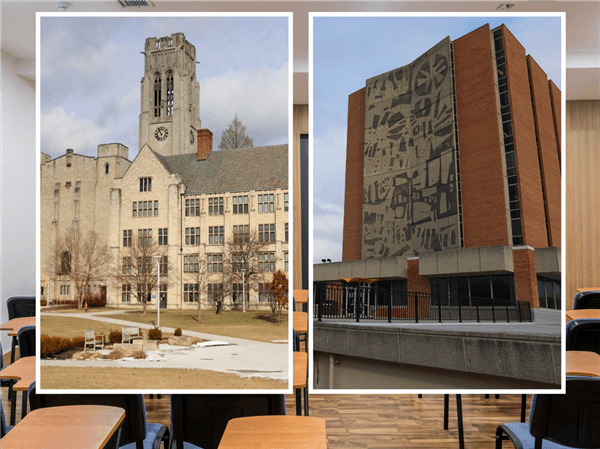
The Science of Reading audit exposed a crisis: UT and BGSU failed compliance while Lourdes shines. This isn't just about phonics; it's about institutional inertia.
Key Takeaways
- •UT and BGSU failed the state's Science of Reading audit, indicating outdated teacher preparation methods.
- •Lourdes University's 'exemplar' status highlights that smaller, more agile institutions can adapt faster to evidence-based mandates.
- •The core issue is institutional inertia resisting proven, research-backed literacy instruction methods.
- •Failure to comply has significant long-term economic consequences tied to regional workforce quality.
The Reading Wars Fallout: Why the 'Science of Reading' Audit Just Exposed Higher Ed's Fatal Flaw
Are our universities actively failing the next generation? That’s the unspoken question hanging over the recent Ohio Department of Education audit results. The findings—that the University of Toledo (UT) and Bowling Green State University (BGSU) were deemed **noncompliant** with the state's mandated **Science of Reading** standards—are not just bureaucratic hiccups. They are a flashing red light signaling a deep, systemic rot in how we train educators. Meanwhile, Lourdes University, achieving ‘exemplar’ status, forces us to ask: what did they know that the giants missed? This isn't a fight over pedagogical preference; it's a battle for basic literacy. The **Science of Reading**—a research-backed approach emphasizing phonics, phonemic awareness, and systematic instruction—has been the consensus in cognitive science for decades. Yet, large institutions, clinging to outdated, often discredited 'whole language' philosophies, have resisted change. This audit confirms that this resistance translates directly into noncompliance, meaning future graduates from UT and BGSU may be equipped with obsolete tools to teach foundational reading skills. ### The Unspoken Truth: Institutional Inertia vs. Student Outcomes Who really wins here? The textbook publishers who profit from materials aligned with the old guard, and the tenured faculty whose careers were built on those very methods. The losers are the thousands of Ohio schoolchildren who will pass through classrooms led by teachers who were not properly trained on effective **reading instruction**. The failure of UT and BGSU is not a failure of effort; it's a failure of **intellectual humility**. Major universities often view state mandates as suggestions, not mandates, especially when those mandates challenge deeply entrenched academic theories. The contrast with Lourdes is stark. Lourdes likely embraced the audit as an opportunity for modernization, proving agility trumps sheer size in adapting to critical educational shifts. This is the ultimate lesson in this **reading instruction** saga: Agility beats legacy infrastructure every time.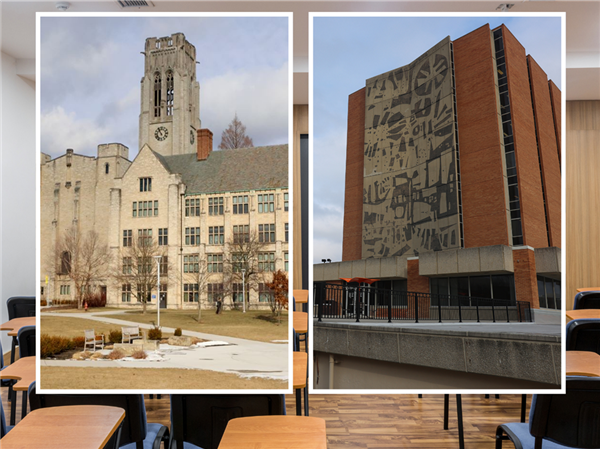 ### Why This Matters: The Economic Cost of Illiteracy
This isn't just about reading scores; it’s about the economic future of the entire region. Literacy is the bedrock of workforce development. When major feeder institutions for K-12 education lag on foundational skills, the ripple effect hits local economies hard. Poor literacy correlates directly with lower lifetime earnings and increased social service reliance. We are witnessing the privatization of educational failure, where institutional pride overrides the public good. The state must now decide if compliance means a simple paperwork check or a fundamental overhaul of teacher preparation curricula. This story transcends local news; it is a microcosm of the national struggle between established academia and evidence-based practice in **Science of Reading**.
### What Happens Next? The Prediction
**Prediction:** Expect a swift, highly visible overhaul at UT and BGSU, driven less by genuine pedagogical repentance and more by the threat of losing accreditation or significant state funding tied to teacher licensure. However, the true test will come in the next audit cycle. If these institutions merely 'check the boxes' without fundamentally retraining veteran faculty—the ones who actually teach the pre-service teachers—the noncompliance will simply resurface. I predict that within two years, one of these large universities will face a second, more punitive audit, forcing a crisis management intervention led by external educational consultants, effectively sidelining the existing department leadership. The shadow of Lourdes' success will loom large over their recovery efforts.
### Why This Matters: The Economic Cost of Illiteracy
This isn't just about reading scores; it’s about the economic future of the entire region. Literacy is the bedrock of workforce development. When major feeder institutions for K-12 education lag on foundational skills, the ripple effect hits local economies hard. Poor literacy correlates directly with lower lifetime earnings and increased social service reliance. We are witnessing the privatization of educational failure, where institutional pride overrides the public good. The state must now decide if compliance means a simple paperwork check or a fundamental overhaul of teacher preparation curricula. This story transcends local news; it is a microcosm of the national struggle between established academia and evidence-based practice in **Science of Reading**.
### What Happens Next? The Prediction
**Prediction:** Expect a swift, highly visible overhaul at UT and BGSU, driven less by genuine pedagogical repentance and more by the threat of losing accreditation or significant state funding tied to teacher licensure. However, the true test will come in the next audit cycle. If these institutions merely 'check the boxes' without fundamentally retraining veteran faculty—the ones who actually teach the pre-service teachers—the noncompliance will simply resurface. I predict that within two years, one of these large universities will face a second, more punitive audit, forcing a crisis management intervention led by external educational consultants, effectively sidelining the existing department leadership. The shadow of Lourdes' success will loom large over their recovery efforts.Frequently Asked Questions
What is the 'Science of Reading' mandate?
The Science of Reading is a vast body of research detailing how the human brain learns to read, emphasizing systematic instruction in phonics, phonemic awareness, fluency, vocabulary, and comprehension, moving away from methods like three-cueing.
Why did UT and BGSU fail the compliance audit?
While specifics vary, generally, failure in these audits means their required coursework or clinical practice hours do not sufficiently align with the state's evidence-based standards for teaching foundational reading skills.
What does it mean for a university to be called an 'exemplar'?
An exemplar, like Lourdes University in this case, means their teacher preparation programs fully meet or exceed the state's rigorous requirements for teaching the Science of Reading, setting a benchmark for others.
Is this a national trend in education?
Yes, the push to adopt the Science of Reading is a major, ongoing national movement as states grapple with historically poor literacy rates, as documented by organizations like the National Council on Teacher Quality.
Related News

The Tech Trojan Horse: Why Teachers' Real Feelings About EdTech Are Being Hidden
New research on teacher perceptions of educational technology reveals a disturbing gap between adoption and actual belief. This is the hidden cost of digital mandates.

The School Leadership Crisis: Why Teachers Are Fleeing, and Who Is Profiting From The Collapse
Nearly half of UK school heads need mental health support. This isn't burnout; it's systemic failure.

The Billion-Dollar Lie: Why 'Informal Science' Is Actually Corporate Trojan Horse for the Excluded
Informal science learning is hailed as the great equalizer, but the hidden agenda benefits funders more than the truly excluded.

DailyWorld Editorial
AI-Assisted, Human-Reviewed
Reviewed By
DailyWorld Editorial