The Quiet Coup: How DIY Tech is Weaponizing Healthcare Against Big Pharma
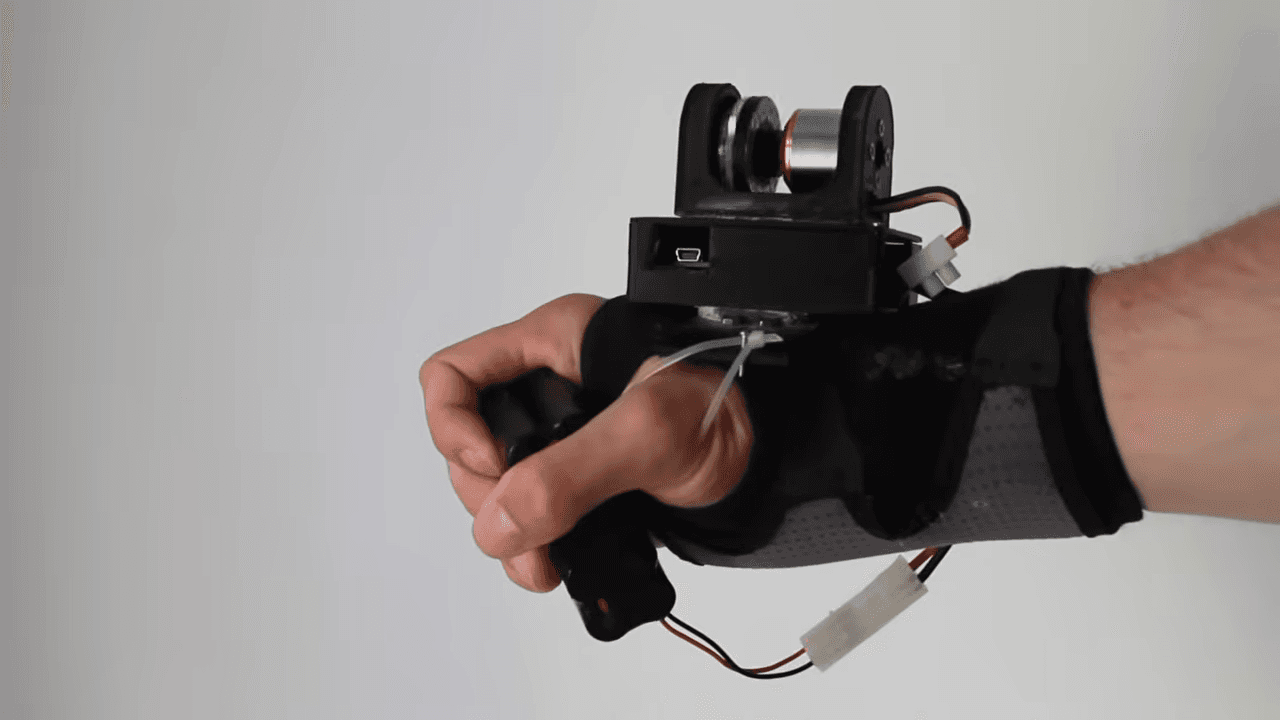
Forget clinical trials. The rise of DIY medical hardware, especially for chronic conditions like tremors, signals a massive shift in healthcare power dynamics.
Key Takeaways
- •DIY medical hardware directly challenges the high-margin, slow-moving traditional medical device industry.
- •The trend signifies a power shift, moving control over chronic condition management from corporations to individuals.
- •Regulatory bodies are ill-equipped to handle the rapid, distributed innovation occurring in open-source health tech.
- •Expect insurance companies to eventually adopt validated DIY solutions due to extreme cost advantages.
The Quiet Coup: How DIY Tech is Weaponizing Healthcare Against Big Pharma
The headlines celebrate small victories: a dedicated maker building a custom device to help their grandmother manage essential tremors. It sounds heartwarming, the ultimate triumph of human ingenuity over medical bureaucracy. But look closer. This isn't just about helping Grandma; it's about a fundamental, tectonic shift in who controls medical intervention. The explosion of accessible DIY technology in health is not a charming hobby; it is a direct, existential threat to the multi-trillion-dollar medical device industry.
The Unspoken Truth: Commodifying the Cure
When a patient or their family member resorts to building an open-source solution for managing debilitating conditions—be it Parkinsonian tremors or monitoring vital signs—they are implicitly rejecting the current paradigm. The unspoken truth is that patented, FDA-approved solutions are often prohibitively expensive, slow to innovate, and designed for maximum shareholder return, not maximum patient utility. Why does a simple, effective vibration-dampening glove cost thousands when the core components (accelerometers, microcontrollers) are pennies?
The winners here are the early adopters and the open-source community. They gain immediate, personalized relief. The losers? Legacy medical corporations who rely on regulatory moat-building and intellectual property lock-in. This trend democratizes access, and history shows that when you commoditize a high-margin service, the established players panic.
Deep Analysis: The Erosion of Gatekeeping
We are witnessing the death of medical gatekeeping, one Arduino board at a time. For decades, access to sophisticated diagnostic or palliative technology required a prescription, a specialist referral, and insurance approval. This system kept prices high and innovation slow. DIY health tech circumvents this entirely. It leverages Moore's Law faster than any corporate R&D department can pivot.
Consider the implications for chronic disease management. If reliable, personalized treatments for tremors become widely available online—complete with schematics and source code—the justification for $50,000 branded devices evaporates. This isn't just about saving money; it's about reclaiming bodily autonomy from institutions that treat health as a proprietary asset. The speed of innovation in this space far outpaces regulatory bodies like the FDA, which are structured for large-scale manufacturing, not distributed, rapid prototyping. This mismatch is where the real revolution brews.
What Happens Next? The Open-Source Health Reckoning
My prediction is stark: Within five years, we will see two distinct medical ecosystems. The first will be the heavily regulated, high-cost, premium ecosystem for acute care (surgery, oncology). The second, rapidly growing ecosystem will be for chronic management (diabetes, pain, movement disorders) dominated by peer-reviewed, open-source technology. We will see major insurance carriers begin to recognize—and perhaps even subsidize—validated DIY solutions because the cost differential will become too massive to ignore. Big Pharma's counter-move will be aggressive patent trolling and lobbying to classify certain open-source hardware as 'unapproved medical devices,' attempting to re-establish control through litigation rather than innovation.
The battle for the future of personalized health is shifting from the clinic to the maker space. Keep watching the hackers; they are the new frontline physicians.
Gallery


Frequently Asked Questions
What is the primary concern with DIY medical technology adoption in mainstream healthcare settings right now, besides safety concerns raised by manufacturers and regulators regarding unapproved devices? Is it intellectual property or cost control for established players mentioned in the analysis regarding tremors and other conditions like Parkinson's disease and essential tremors? (High volume keyword: essential tremors)
How can a patient verify the efficacy and safety of open-source DIY technology for managing chronic conditions like essential tremors without official FDA approval? (High volume keyword: DIY technology)
Will large medical corporations attempt to acquire or co-opt successful open-source health technology projects, or will they strictly fight them through legal means? (High volume keyword: medical technology)
What specific low-cost components are enabling the current wave of personalized medical technology development for managing tremors?
Related News
The Real Reason Dexcom Is Betting on Galway: It’s Not About Tech, It’s About Control
The upcoming medical technology conference in Galway isn't just a networking event. We dissect the hidden geopolitical and data control implications of this major MedTech gathering.

The AI Trojan Horse: Why 'Agentic' Healthcare Systems Are a Trojan Horse for Physician Burnout
Hospitals are ditching simple digital tools for 'agentic systems.' This isn't efficiency; it's a subtle power shift you need to understand.

The Hidden Cost of Free Health Advice: Why Google's AI is Learning from YouTube
Google's AI is now citing YouTube for health answers. This isn't convenience; it's a massive, under-analyzed data grab that threatens medical credibility.
