The Purpose Hustle: Why Chasing 'Meaning' is the Newest Form of Corporate Brainwashing
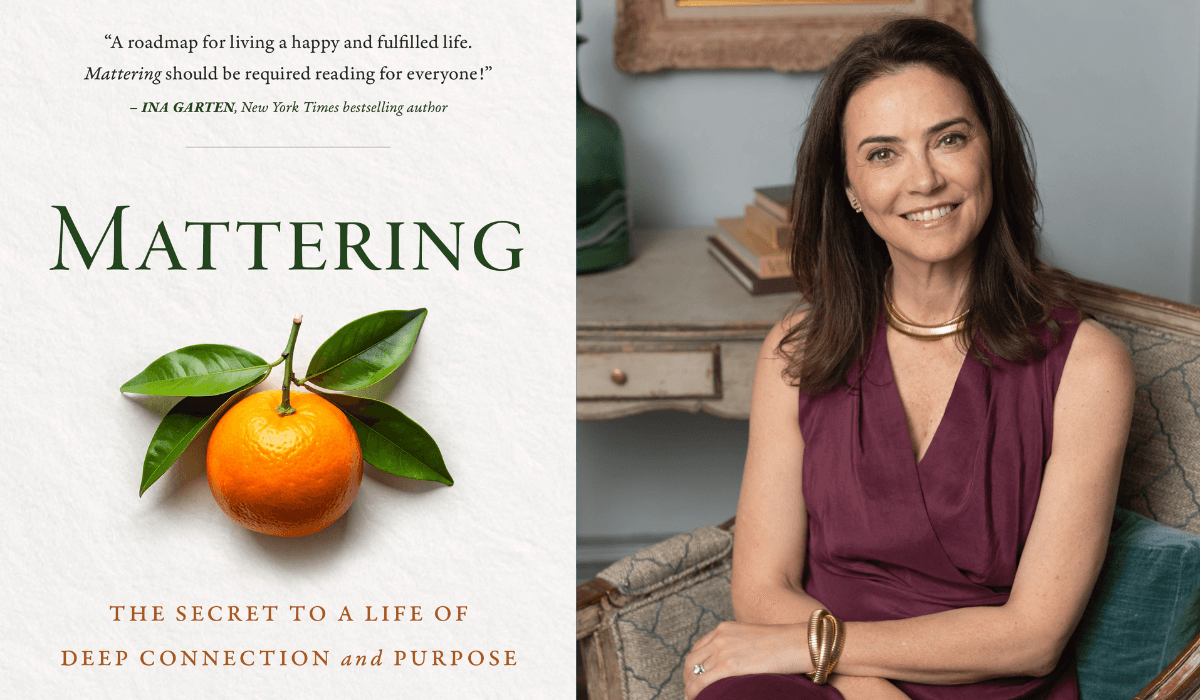
Forget happiness. The new frontier of self-optimization is 'meaning.' But who truly benefits from this relentless pursuit of purpose?
Key Takeaways
- •The current focus on 'meaning' often serves as corporate distraction from structural labor issues.
- •Aggressively pursuing purpose turns fulfillment into another performance metric.
- •True meaning often emerges from unoptimized, difficult, or mundane aspects of life.
- •A future backlash against abstract purpose in favor of tangible security is likely.
The Purpose Hustle: Why Chasing 'Meaning' is the Newest Form of Corporate Brainwashing
We are drowning in a sea of self-help platitudes, and the latest life raft being thrown to the masses is meaning and purpose. The recent buzz around the science of a meaningful life suggests we just need to find our 'why' to unlock peak human performance. This narrative, while superficially comforting, is the most insidious form of late-stage capitalism yet: outsourcing existential dread to a productivity metric.
The core argument often cited—drawing from positive psychology—is that having a transcendent goal buffers against stress and increases longevity. This is not wrong. Humans crave narrative. But the science of meaning is being weaponized. It’s no longer about quiet philosophical fulfillment; it’s about optimizing your personal narrative for maximum output.
The Unspoken Truth: Meaning as a Substitute for Structural Change
Here is the uncomfortable reality: When corporations, governments, and crumbling social safety nets fail to provide stability, dignity, or fair compensation, the onus shifts entirely to the individual. Why is healthcare unaffordable? Find your purpose! Why is your salary stagnant? You haven't connected your daily tasks to a higher calling!
The obsession with personal life purpose allows institutions to sidestep accountability. If you are miserable, it's not the soul-crushing gig economy; it’s a failure of your internal alignment. We are being sold the idea that a fulfilling life is a DIY project, one that requires endless journaling and expensive retreats, rather than a societal responsibility.
This trend is deeply rooted in the Silicon Valley ethos where every human function, including spirituality, must be quantifiable and scalable. The goal isn't genuine fulfillment; it’s creating a workforce so intrinsically motivated by an abstract 'purpose' that they require less external reward. It’s the ultimate productivity hack. Look at the explosion of 'purpose-driven business'—often a thin veneer over profit maximization.
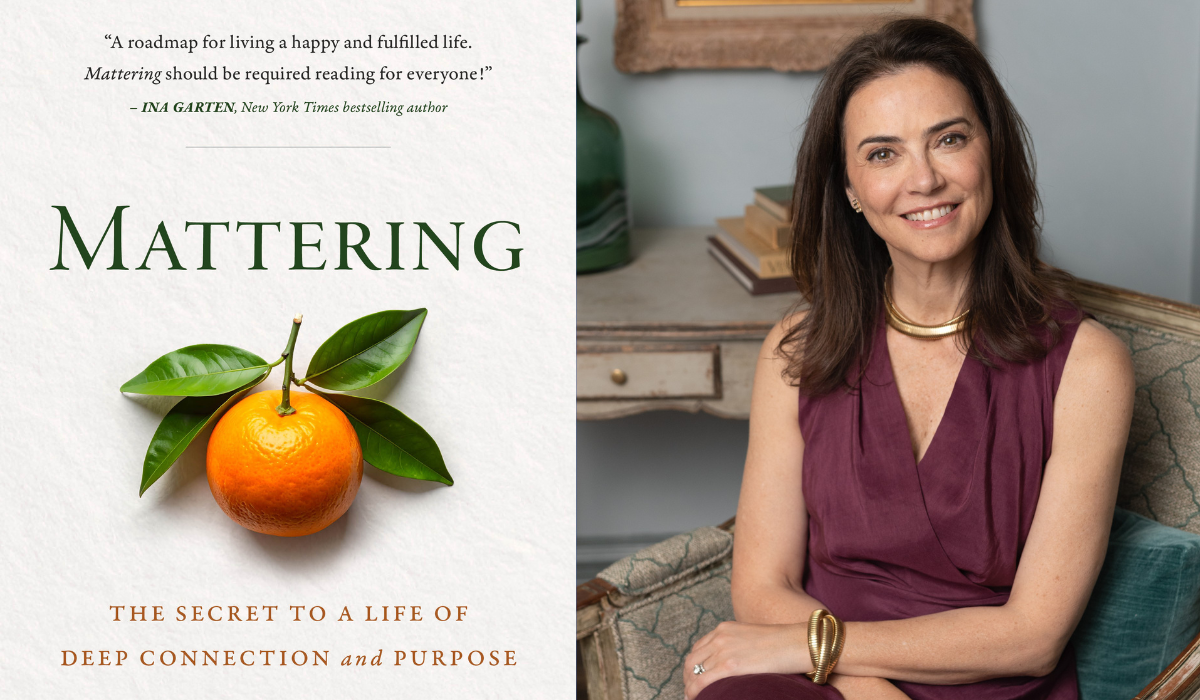
The True Cost of Optimization
Genuine meaning often arises from struggle, connection, and even boredom—the exact states modern optimization culture seeks to eradicate. By aggressively pursuing purpose, we turn it into another item on the to-do list. We risk pathologizing the necessary periods of drift and uncertainty that precede true self-discovery. The constant search for meaning and purpose becomes a performance in itself, draining the very energy required for real contribution. We become experts in *talking* about purpose rather than *living* it.
The irony is that the most resilient forms of purpose—caring for family, community service, mastery of a craft—are often unglamorous and rarely featured in viral headlines. They are the bedrock, not the spectacle.
What Happens Next: The Great Purpose Crash
I predict a backlash. As economic pressures mount, the abstract pursuit of 'meaning' will become an unaffordable luxury. We will see a cultural swing back towards tangible achievements: financial security, skilled labor, and tangible community bonds. The generation currently being preached to about purpose will eventually realize that while a mission statement is nice, a reliable paycheck and affordable housing are prerequisites for actual fulfillment. The science will remain sound, but the application—the capitalist commodification of existential yearning—will collapse under its own weight. We will stop asking, "What is my purpose?" and start asking, "Who is responsible for my well-being?"
For deeper context on the neuroscience of motivation, consider the work done on intrinsic vs. extrinsic rewards. Research in social psychology continually highlights the complexities that simple 'purpose' frameworks ignore.
Gallery



Frequently Asked Questions
What is the main criticism of the 'science of meaning' trend?
The main criticism is that it individualizes existential responsibility, allowing institutions to avoid addressing systemic issues by framing personal dissatisfaction as a failure to find one's 'purpose.'
What is the difference between happiness and meaning according to psychology?
Happiness is often linked to feeling good in the moment (hedonia), whereas meaning is linked to feeling that one's life serves a greater good or purpose (eudaimonia), often involving sacrifice or contribution.
How does this trend benefit corporations?
It fosters intrinsic motivation, reducing the need for high wages or benefits, as employees are theoretically driven by a higher calling rather than just compensation.
Can you find meaning without a grand, world-changing goal?
Absolutely. Many experts argue that meaning is found in small, consistent acts of contribution, deep relationships, and mastery of a specific skill, rather than a single, grand declaration of purpose.
Related News

The 'Science Romance' Revolution: Why Nerds Are Finally Winning the Erotica Wars
Forget bodice-rippers. The surge of science-themed romance novels signals a massive cultural shift in how we view intelligence and desire. This is the new frontier.
Tennyson Knew: Why Today's 'Scientific Progress' Is Actually a Victorian Nightmare Revisited
The panic Tennyson felt facing 19th-century science mirrors our own. The real cost of rapid scientific advancement isn't progress—it's spiritual erosion.

The Hidden Tax on Childhood: Why 'Noon Year’s Eve' Is the Real Cultural Indicator of 2024
Beyond the confetti, the Science Museum's 'Noon Year’s Eve' reveals a deeper anxiety about modern family time and early childhood education.

DailyWorld Editorial
AI-Assisted, Human-Reviewed
Reviewed By
DailyWorld Editorial