The Mouse Model Lie: Why Restoring Memory in Mice Won't Cure Your Alzheimer’s (Yet)
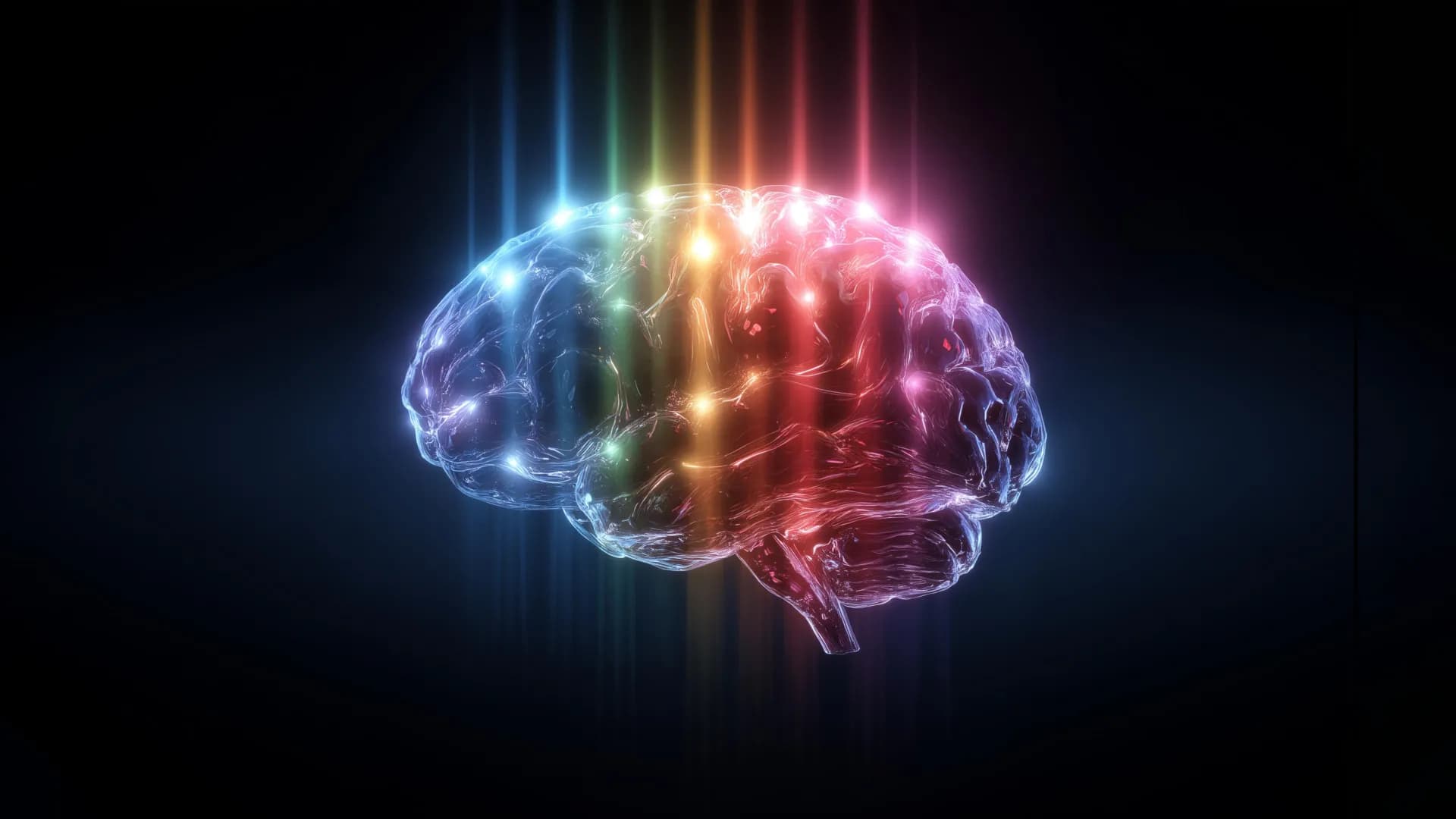
New Alzheimer's breakthroughs in mice spark hope, but this 'memory restoration' hides a critical flaw: the translational gap.
Key Takeaways
- •Recent Alzheimer's reversal in mice is technically significant but suffers from the known translational gap.
- •The current focus on plaque clearance is likely an incomplete strategy for human Alzheimer's.
- •The next major step requires integrating precision diagnostics (imaging/biomarkers) for early intervention.
- •This research fuels funding but should be met with extreme skepticism regarding immediate human benefit.
The headlines are intoxicating: Scientists reverse Alzheimer’s in mice and restore memory. It sounds like the finish line. It’s not even the starting pistol. While the recent findings detailing the reversal of amyloid-beta plaques and the subsequent restoration of cognitive function in murine models are technically impressive, they mask a deeply inconvenient truth about translational medicine.
The Unspoken Truth: The Mouse is Not Human
Every major Alzheimer's drug failure in the last two decades has been preceded by stunning success in rodent trials. We are witnessing the same pattern now. The scientific community is ecstatic about manipulating tau tangles or clearing amyloid plaques in laboratory mice, but this success is built on a fundamentally flawed foundation: the Alzheimer's disease model in mice does not accurately mimic the slow, complex neurodegeneration seen in humans. Mice don't naturally develop Alzheimer's; scientists have to genetically engineer them to express human-like pathologies.
Who really wins here? The pharmaceutical companies, of course. These preclinical successes generate massive R&D momentum, secure further funding rounds, and keep the stock prices of biotech firms buoyant. The real loser is the patient waiting for a cure, subjected to years of false hope predicated on animal data that rarely translates past Phase II human trials. This isn't about curing neurodegenerative disease; it’s about managing the drug development pipeline.
Deep Analysis: The Cost of Translational Failure
This isn't just about biology; it’s about economics. Alzheimer’s disease represents one of the largest looming healthcare crises globally. The sheer financial incentive to announce a breakthrough—even a preliminary one—is immense. The technique used, likely involving advanced gene editing or novel compound delivery, might be revolutionary for mouse neurochemistry, but the human brain is exponentially more complex, involving vascular issues, systemic inflammation, and decades of accumulated damage that a single intervention cannot undo.
We must shift focus from simply clearing plaques (the 'plaque hypothesis') to addressing the downstream cellular stress and mitochondrial dysfunction that accompany the disease. This new study, while promising for basic science, reinforces the dangerous cycle of overhyping incremental progress. For context, look at the decades of research into human aging—reversing memory loss in a creature with a two-year lifespan versus one with an 80-year lifespan is not an apples-to-apples comparison. See the challenges in dementia research outlined by leading institutions.
Where Do We Go From Here? The Next Five Years
My prediction is stark: This specific mechanism, while effective in mice, will fail to show significant, sustained clinical efficacy in human trials within three years. The next big leap won't come from another plaque-clearing agent. Instead, the real breakthrough—the one that actually moves the needle on human Alzheimer's disease management—will come from personalized medicine integrating advanced neuroimaging (like ultra-high-field MRI) with comprehensive blood-based biomarkers, allowing for intervention years before significant cognitive decline is even detectable. The future is preventative precision, not reactive reversal in late-stage models.
Key Takeaways (TL;DR)
- The success in mice rarely translates to human patients due to fundamental biological differences.
- The hype cycle benefits biotech funding far more than immediate patient outcomes.
- Focus needs to pivot from plaque removal to systemic cellular health and inflammation control.
- Expect this specific breakthrough to stall in human trials, reinforcing the need for new models.
Frequently Asked Questions
What is the 'translational gap' in Alzheimer's research?
The translational gap refers to the difficulty in successfully applying findings from animal models (like mice) to effective treatments in humans, often because the animal model does not fully replicate the complexity of the human disease progression.
Are scientists actually reversing Alzheimer's in humans now?
No. The reported memory restoration is currently limited to genetically modified mice. There is no proven method to reverse established Alzheimer's disease in humans at this time.
Why do scientists keep using mouse models if they are flawed?
Mouse models are essential for initial hypothesis testing, understanding basic molecular pathways, and screening drug candidates due to their speed and genetic tractability, despite their limitations in mimicking the full human disease context.
What is the most promising area for future Alzheimer's treatment?
Many experts believe the future lies in targeting inflammation, vascular health, and metabolic dysfunction, alongside highly personalized, early-stage interventions detected via advanced biomarkers, rather than just targeting amyloid plaques.
Related News

The Hidden Empire: Why Your Local Bird Watchers Are Now the World's Most Dangerous Climate Spies
Forget satellites. The massive global effort in citizen science tracking **bird migration patterns** reveals a terrifying, unvarnished truth about **environmental data** that governments don't want you to see.

The Billion-Dollar Lie: Why Your Daily Jog Won't Stop Alzheimer's (And What Actually Will)
New exercise data confirms brain protection, but the unspoken truth about Alzheimer's prevention remains hidden. We dissect the real winners.
The ESA's Climate Secrets: Why Satellite Data is Terrifying the Energy Titans
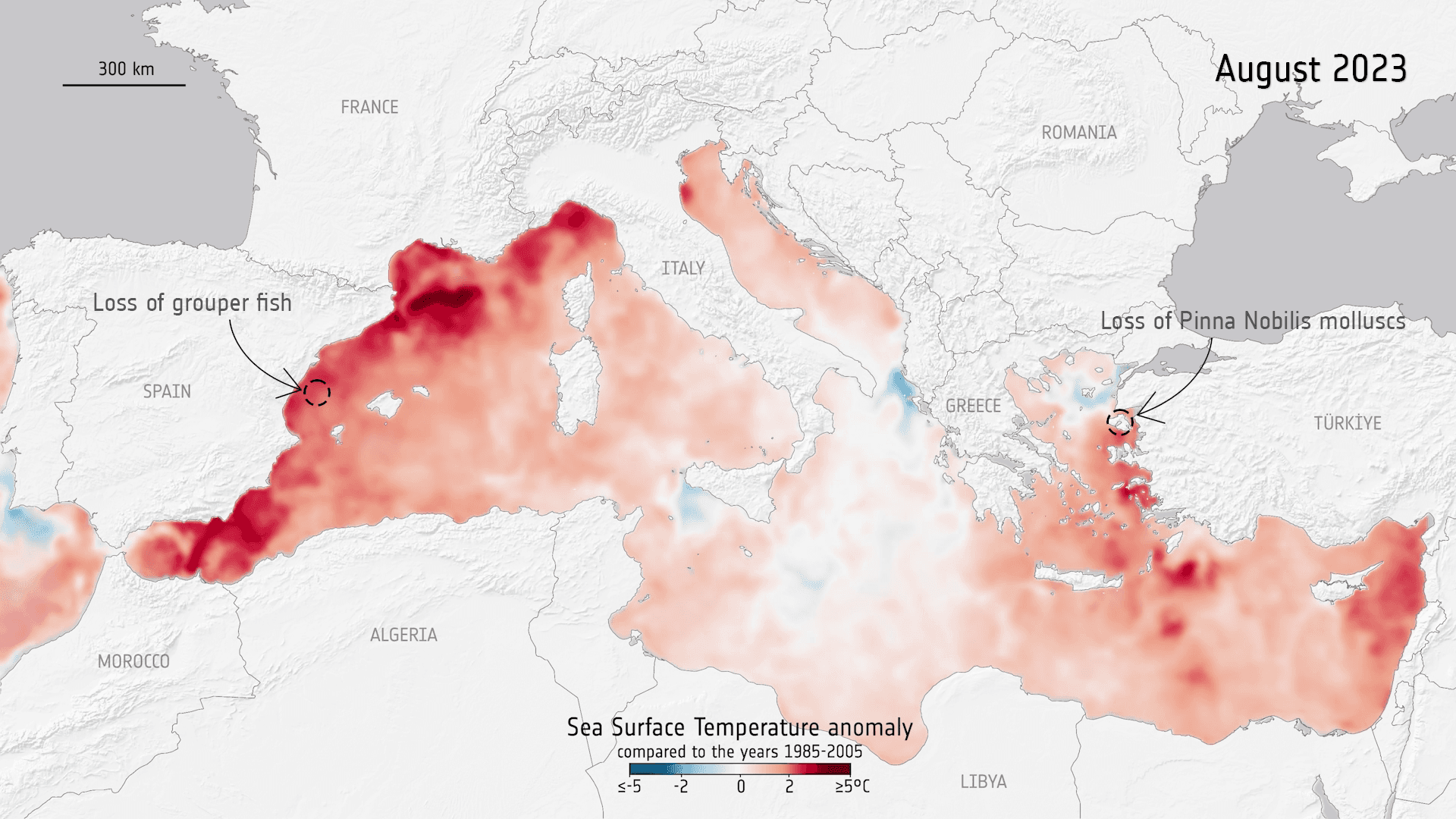
New European Space Agency climate insights reveal a hidden feedback loop that traditional models miss. This is the real climate crisis.

DailyWorld Editorial
AI-Assisted, Human-Reviewed
Reviewed By
DailyWorld Editorial