The Mountain Paving Scam: Why Steel Slag Roads Are A Trojan Horse For Hilly Infrastructure

The push for 'sustainable roads' using steel slag technology in hilly regions hides a massive environmental and political gamble.
Key Takeaways
- •The technology benefits steel producers by providing a cheap disposal route for waste, not primarily by solving road construction issues.
- •Long-term environmental risks, particularly groundwater leaching in high-moisture hill environments, are being dangerously overlooked.
- •The adoption is driven by regulatory shortcuts that favor industrial waste adoption over rigorous, slow-moving safety testing.
- •Expect localized infrastructure failures within five years, leading to a regulatory halt on the technology.
The Mountain Paving Scam: Why Steel Slag Roads Are A Trojan Horse For Hilly Infrastructure
The latest buzzword in infrastructure circles is steel slag technology for building roads in ecologically sensitive, hilly regions. On the surface, it sounds like a perfect marriage: solving the massive industrial waste problem of steel production while simultaneously addressing the perennial challenge of road construction in difficult terrain. But peel back the green veneer, and you find a classic case of regulatory arbitrage and hidden costs. We aren't just talking about paving; we are talking about the future stability of our slopes.
The narrative being sold is efficiency. Steel slag, a byproduct of steel manufacturing, is proposed as a superior, locally available aggregate to traditional materials like mined stone or bitumen mixes. In theory, it offers better load-bearing capacity and reduced reliance on virgin resources. This is the bait. The hook? The sheer volume of waste generated by the steel industry—millions of tons annually—needs a convenient, high-volume disposal sink. And what better sink than public works projects funded by taxpayer money?
The Unspoken Truth: Who Really Wins, Who Really Loses?
The primary winners here are the large-scale steel producers who offload a costly waste management problem onto the public works budget. They get a green PR win while avoiding expensive landfill solutions. The secondary winner is the construction lobby, eager to adopt 'innovative' materials that might offer quicker approvals.
The losers are twofold. First, the environment of the hilly regions. While slag is touted as inert, its long-term leaching potential, especially under the acidic conditions common in some mountainous soils, remains under-scrutinized. Are we trading short-term road stability for long-term groundwater contamination? Second, the local quarry owners and traditional material suppliers—the small businesses that form the backbone of local economies—are being sidelined by national mandates favoring industrial byproducts. This isn't sustainability; it's industrial consolidation disguised as eco-friendliness.
Deep Analysis: The Regulatory Shortcut
Why is this suddenly trending? Because the standard testing protocols for construction materials are often slow to adapt. Steel slag gets a fast-track approval because it's deemed 'waste' rather than a novel chemical compound requiring years of environmental impact assessment. This creates a dangerous precedent: if it's waste, the burden of proof shifts from 'is this safe?' to 'prove this is dangerous.' This regulatory loophole is the real engine driving the adoption of sustainable road construction.
Furthermore, the logistics of transporting heavy steel slag aggregate into remote hill stations often negate any supposed 'local sourcing' benefit, increasing carbon footprints in transit. We must question the true life-cycle assessment, not just the composition of the final pavement layer. We have seen this cycle before with fly ash; innovation often outpaces due diligence. Read more about the challenges of industrial waste management here: Reuters Analysis on Industrial Waste.
What Happens Next? The Prediction
My prediction is that within five years, we will see localized, high-profile infrastructure failures—slope collapses or significant water quality issues—directly linked to the long-term chemical instability of slag-based roads in high-moisture, freeze-thaw environments typical of hilly areas. This will trigger a regulatory backlash, freezing the technology until comprehensive, decade-long studies are completed. The current 'move fast and build things' approach to civil engineering will fail when applied to geology. Expect immediate political fallout, with local governments blaming central agencies for mandating 'experimental' materials.
The true test for infrastructure technology isn't its immediate strength, but its endurance against nature's harshest critics. Right now, steel slag is getting a free pass.
Frequently Asked Questions
What is steel slag and why is it being used in roads?
Steel slag is a glassy, granular byproduct formed during the purification of molten steel. It is being pitched as a sustainable, high-strength aggregate replacement for traditional road materials, helping the steel industry manage its waste.
Are steel slag roads safe for hilly regions?
Proponents claim they offer superior strength, but critics worry about the long-term chemical stability, especially concerning leaching heavy metals or sulfates into sensitive mountain water tables under varying climate conditions.
What is the main economic driver behind this technology?
The primary economic driver is the cost avoidance for steel manufacturers in disposing of massive volumes of industrial byproducts, effectively externalizing a private waste management cost onto public infrastructure projects.
How does this compare to other sustainable road materials?
Unlike some materials that require specific local sourcing, steel slag relies on proximity to large steel plants. Its adoption path is often faster due to its classification as a 'waste' rather than a novel construction chemical, creating regulatory advantages.
Related News
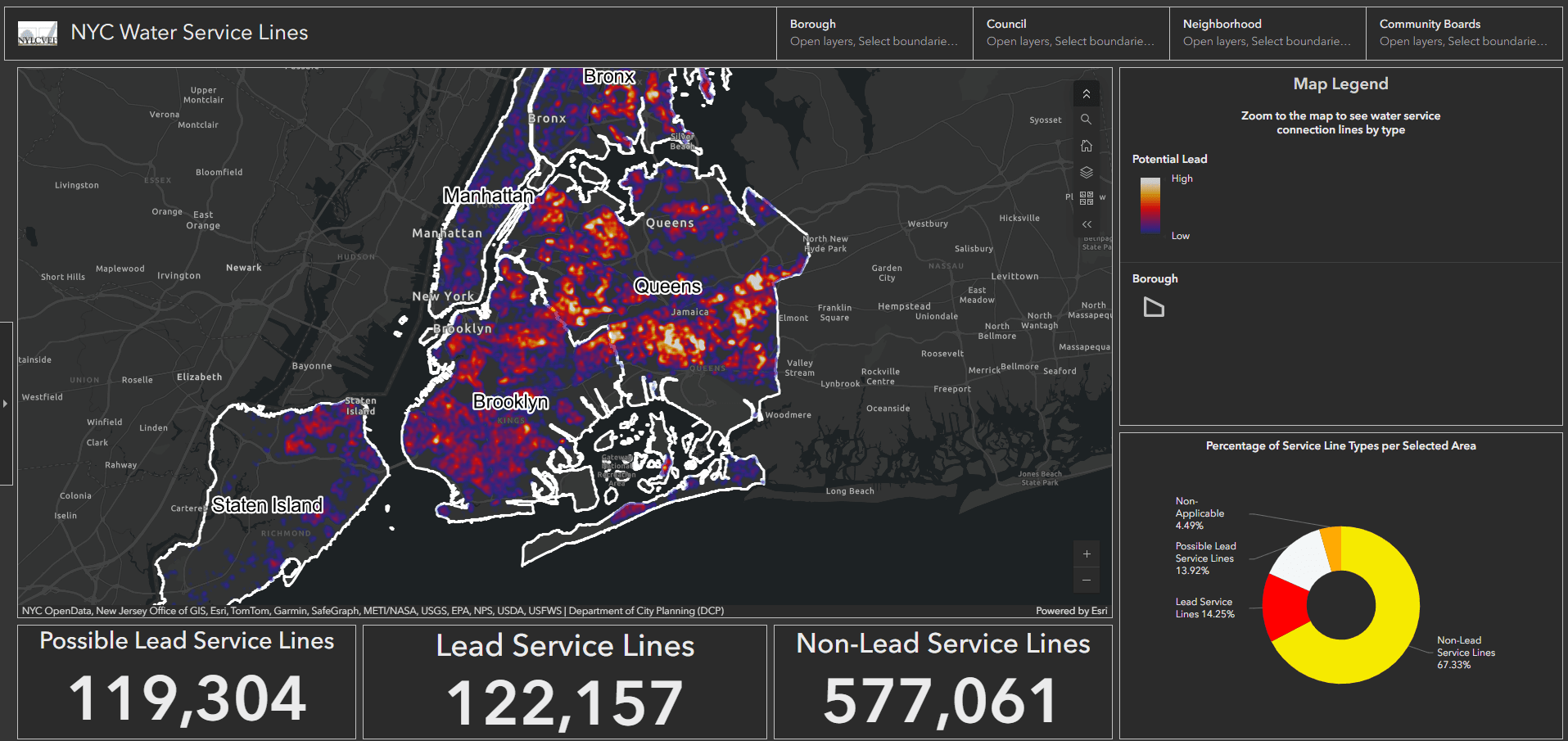
The Hidden Cost of Clean Water: Why GIS Mapping of NYC's Lead Pipes Won't Save Your Kids (Yet)
Beneath the veneer of progress, GIS mapping of NYC's lead pipes reveals a political battlefield, not an immediate solution. The real crisis is bureaucracy.

The Secret War for Grid Stability: Why Australia's Tech Just Conquered the UK Power Market
Australia's **grid stability technology** is now powering the UK. But who is the real winner in this **renewable energy** export? The answer isn't obvious.

The Hidden Tax on Patient Lives: Why New OT Security Guidance Won't Stop the Next Hospital Cyberattack
New hospital OT security guidance is here, but who really benefits? Unmasking the compliance burden crushing smaller healthcare providers.
