The Microscopic Secret: Why Caterpillar Hairs Are About to Redefine Acoustic Warfare

Forget microphones. The way caterpillars hear using tiny hairs reveals a startling path for next-gen bio-mimetic sensors.
Key Takeaways
- •Caterpillar sensilla function as highly sensitive, passive acoustic sensors.
- •The technology promises a revolution in low-power, noise-immune monitoring devices.
- •Defense and industrial applications will adopt this bio-inspired design long before consumer electronics.
- •This validates the evolutionary principle of maximizing sensory input with minimal biological cost.
The Hook: Silence is Not Golden, It's Hairy
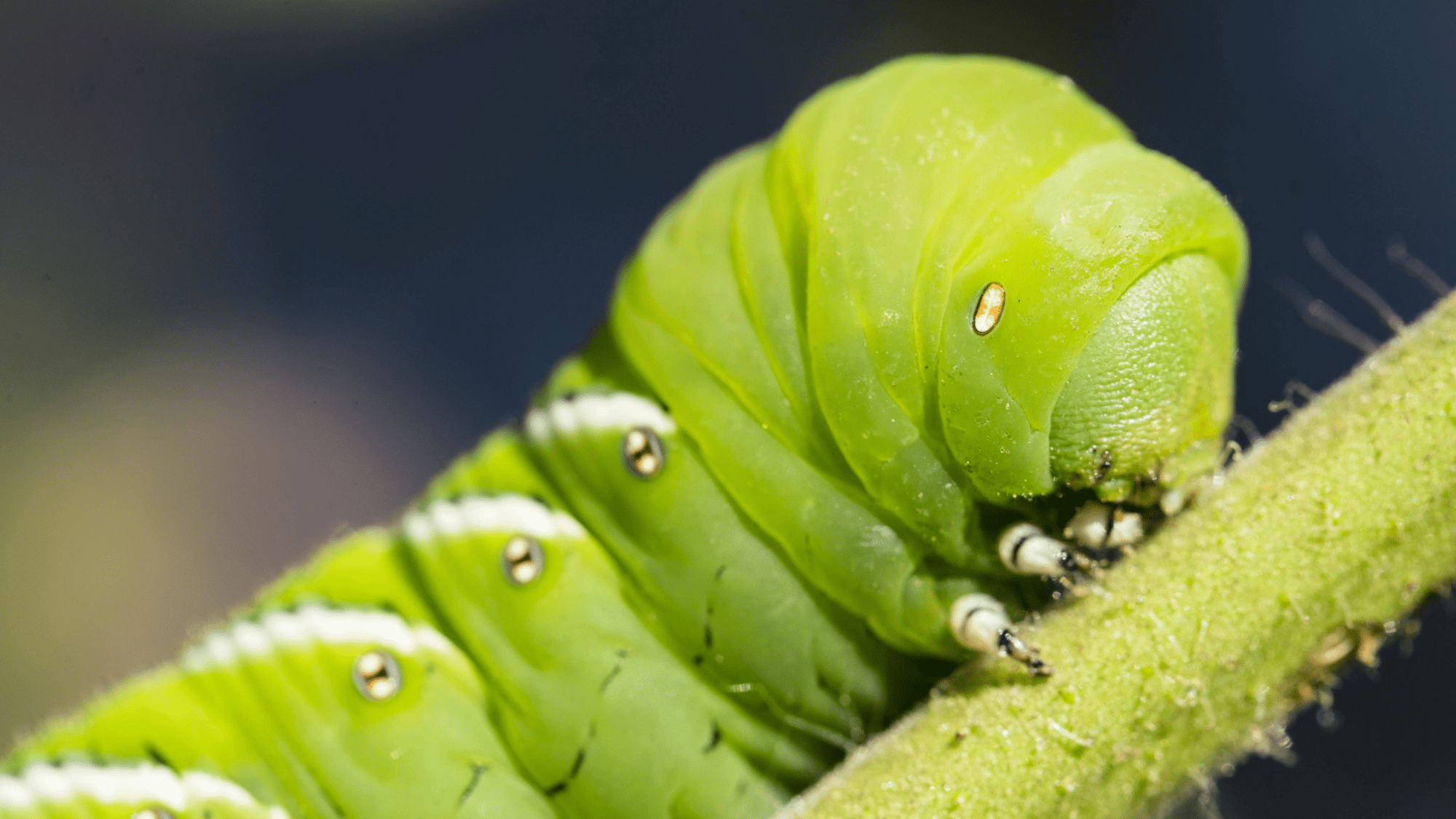
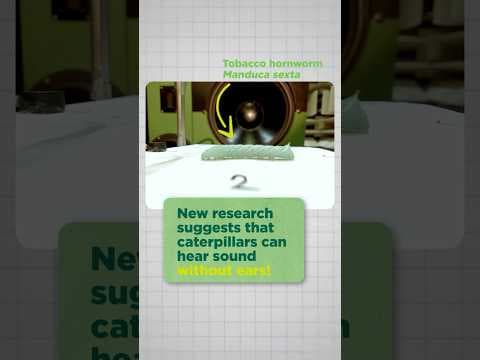
We’ve been obsessed with bat sonar and whale calls, overlooking the most immediate acoustic marvels right under our noses. The recent revelation that tobacco hornworm caterpillars—those garden-variety munchers—use microscopic, specialized hairs to detect sound isn't just cute entomology. It's a **tectonic shift** in bio-mimetic engineering. The core finding is that these hairs function as highly sensitive, broadband acoustic sensors. But that’s what the press release says. What they aren't telling you is the profound implication for surveillance and stealth technology.
The key term here is bio-mimetic sensors. Traditional microphones are clunky, prone to vibration interference, and require complex circuitry. The caterpillar, however, has solved the noise-cancellation problem using biology evolved over millions of years. These 'hairs,' or sensilla, are essentially natural nano-antennas tuned to specific frequencies. This discovery validates decades of research into using natural structures for technological leaps.
The Unspoken Truth: Who Really Wins in the Sound War?
The immediate winners are defense contractors and the advanced materials sector. Imagine coating stealth drones or sensitive laboratory equipment with a synthetic, hair-like array capable of detecting minute pressure changes—the whisper of an approaching threat or the faint hum of a failing turbine—without the bulk of traditional electronics. This isn't about saving the planet; it's about achieving acoustic invisibility and hyper-sensitivity. The losers? Manufacturers of conventional acoustic monitoring equipment, whose current technology is about to look laughably analog.
Furthermore, consider the agricultural angle. If we can replicate this sensitivity, we can develop incredibly precise pest monitoring systems based on the subtle sounds of feeding or movement, drastically reducing the need for broad-spectrum pesticides. This research on caterpillar hearing is fundamentally about signal processing efficiency. We are moving from bulky radar to biological antennae. This is the future of acoustic detection.
Why This Matters: The End of Electrical Noise
The real beauty of this mechanism lies in its passive nature. The hairs respond mechanically to air pressure waves, converting kinetic energy directly into a signal. This bypasses the electrical noise floor that plagues modern micro-electromechanical systems (MEMS) microphones. It’s a paradigm shift away from silicon dependence toward bio-inspired mechanics. For scientists studying the mechanics of hearing across the animal kingdom, this solidifies the evolutionary pressure favoring simplicity and efficiency over brute-force electronics. See how the human ear evolved for further context on acoustic pressure conversion.

What Happens Next? The Prediction
Within five years, expect to see the first commercial prototypes utilizing synthetic 'caterpillar hair' arrays for industrial monitoring—think deep-sea exploration or monitoring structural integrity in bridges. The military applications will be classified, but they will undoubtedly focus on ultra-low-power, passive listening devices. The technology won't just copy the hairs; it will integrate them into meta-materials, creating surfaces that are simultaneously structural and sensory. We are witnessing the dawn of truly 'smart surfaces' driven by the humble hornworm.
Key Takeaways (TL;DR)
- Caterpillars use specialized hairs (sensilla) as highly efficient, broadband acoustic sensors.
- This inspires a new generation of **bio-mimetic sensors** capable of extreme sensitivity with minimal power draw.
- The primary beneficiaries are defense technology and advanced industrial monitoring, not consumer audio.
- The breakthrough lies in bypassing electrical noise by using direct mechanical transduction.
Gallery
Frequently Asked Questions
What specific part of the caterpillar is used for hearing?
Caterpillars, specifically the tobacco hornworm, use tiny, specialized sensory hairs called sensilla located on their bodies. These hairs vibrate in response to air pressure waves, functioning much like a highly sensitive microphone.
What is the main advantage of bio-mimetic sensors based on this research?
The primary advantage is the ability to detect sound passively and mechanically, which reduces electrical noise interference and drastically lowers power consumption compared to traditional electronic microphones.
Are these findings relevant to human hearing aids?
While the fundamental physics of pressure wave detection are relevant, the immediate application is in engineering durable, highly sensitive devices for industrial or military surveillance, rather than direct human augmentation.
What is the scientific term for copying nature's designs?
The scientific field dedicated to this practice is known as bio-mimicry or bio-inspiration, where engineers study and replicate biological solutions to solve complex technical problems.
Related News

Forget Cloud Storage: Why Laser-Etched Glass is the Secret Tech That Will Outlive Humanity
The race for **data preservation** just hit a geological timescale. This new **long-term data storage** method beats the cloud, but who is REALLY funding this 'immortality' project?

The Sun’s Silent Weapon: Why the South Pacific Blackout Is a Warning for Our Fragile Digital World
The recent **solar flare** caused radio blackouts, but the real story is our vulnerability. Analyzing the true cost of this **space weather** event.

The Silent Bio-Terrorist: Why Stopping Invasive Species Like Quagga Mussels Is Already Too Late
The global crisis of invasive species, driven by the relentless spread of organisms like the quagga mussel, reveals a deeper failure in our environmental defense strategy.
