The Lithium Lie: Why Sodium-Ion Batteries Are Actually a Geopolitical Coup, Not Just a Tech Upgrade

MIT's 2026 forecast on sodium-ion batteries reveals the hidden shift: this isn't about better EVs, it's about breaking China's grip on critical minerals.
Key Takeaways
- •Sodium-ion batteries are primarily a geopolitical tool to reduce reliance on lithium and cobalt supply chains.
- •The technology favors decentralized manufacturing and nations lacking traditional critical mineral resources.
- •Grid-scale energy storage will be the first sector to see mass adoption due to sodium's lower cost and improved safety.
- •The incumbent lithium industry faces obsolescence risk in non-high-performance applications.
Forget the hype surrounding the latest lithium-ion efficiency gains. The real seismic shift rocking the energy sector—the one MIT Technology Review is whispering about for 2026—isn't about incremental battery improvement; it’s about **resource independence**. We need to stop viewing sodium-ion batteries as a mere alternative and start recognizing them as a calculated strategic weapon in the global race for energy dominance.
The Unspoken Truth: It’s About Salt, Not Silicon
The narrative pushed by incumbent battery giants centers on energy density. They want you focused on how sodium-ion might lag slightly behind Li-ion in a race car. This is misdirection. The breakthrough technologies highlighted for 2026 aren't about marginal performance gains; they are about **abundance and accessibility**. Sodium is everywhere—in seawater, in salt flats. The supply chain risk associated with lithium, cobalt, and nickel—minerals often controlled by volatile regimes or concentrated in specific geographic choke points—vanishes overnight when you switch to sodium. This is the technology independence angle that the mainstream media is deliberately ignoring.
Who loses? The lithium miners and refiners, whose multi-billion dollar gambles on future extraction capacity are suddenly facing obsolescence for grid storage and entry-level EVs. Who wins? Nations currently marginalized by the West's reliance on Chinese processing dominance. This is less a green revolution and more a **geopolitical realignment** powered by table salt.
Deep Analysis: The Decoupling of Energy Storage
For years, the transition to electric vehicles and renewable energy storage was inextricably linked to the stability of the lithium market. This created a massive vulnerability. Any disruption in the South American 'Lithium Triangle' or geopolitical tension in the DRC (for cobalt) sends shockwaves through the automotive industry. Sodium-ion batteries (Na-ion) fundamentally decouple energy storage from these problematic geographies. When you can manufacture batteries using locally sourced, cheap, and abundant raw materials, you eliminate the primary leverage point held by mineral-rich nations and processing superpowers.
This shift favors decentralized manufacturing. It allows countries with established chemical industries but poor mineral endowments to become major battery players. The true value of the 2026 breakthroughs lies in the simplified, cheaper manufacturing processes that accommodate sodium's larger atomic radius. This means lower capital expenditure to build new gigafactories, accelerating the rollout far beyond what Li-ion expansion could manage. (For context on current supply chain vulnerabilities, see Reuters analysis on critical minerals).
What Happens Next? The Grid Takes Over
My prediction: The first major casualty won't be passenger cars, but stationary grid storage. Li-ion is currently too expensive and too reliant on complex recycling chains for massive, decades-long utility-scale deployment. Sodium-ion, with its inherent safety profile (less prone to thermal runaway) and lower cost per kWh, is the perfect candidate for utility storage. Expect utility companies, often risk-averse and highly sensitive to input costs, to rapidly adopt Na-ion for buffering intermittent solar and wind power within the next 36 months. This will stabilize grids faster than anyone predicts, leading to a dramatic drop in the price of renewable energy, effectively undercutting fossil fuels on pure economics, not just subsidies. (See data on energy economics from the EIA).
The automotive sector will follow, but only once the density gap narrows sufficiently for mass-market, mid-range vehicles. The race is on, and the finish line is not performance, but price parity achieved through material ubiquity. This is the true promise of battery technology.
Alt Text: Close-up of a sodium-ion battery cell component next to a pile of white crystalline salt, symbolizing the raw material abundance.
Frequently Asked Questions
Why is MIT focusing on sodium-ion batteries for 2026?
MIT is highlighting sodium-ion because the technological hurdles for commercial viability (like cycle life and energy density) are finally being overcome, making an abundant, non-conflict material viable for mass market applications by that timeframe.
Are sodium-ion batteries safer than lithium-ion batteries?
Generally, yes. Sodium metal is less reactive than lithium metal, and sodium-ion chemistries often present a lower risk of thermal runaway, making them inherently safer for large-scale stationary storage installations.
Will sodium-ion batteries replace lithium-ion in all electric vehicles?
Unlikely in the near term for premium or long-range EVs due to lower energy density. However, they are poised to dominate entry-level, urban, and short-range commuter vehicles where cost and material security outweigh maximum range requirements.
Where is the primary source of raw material for sodium-ion batteries?
The raw material is sodium, which is abundantly available as sodium chloride (salt) or in various mineral deposits globally, making the supply chain vastly more resilient than lithium or cobalt.
Related News
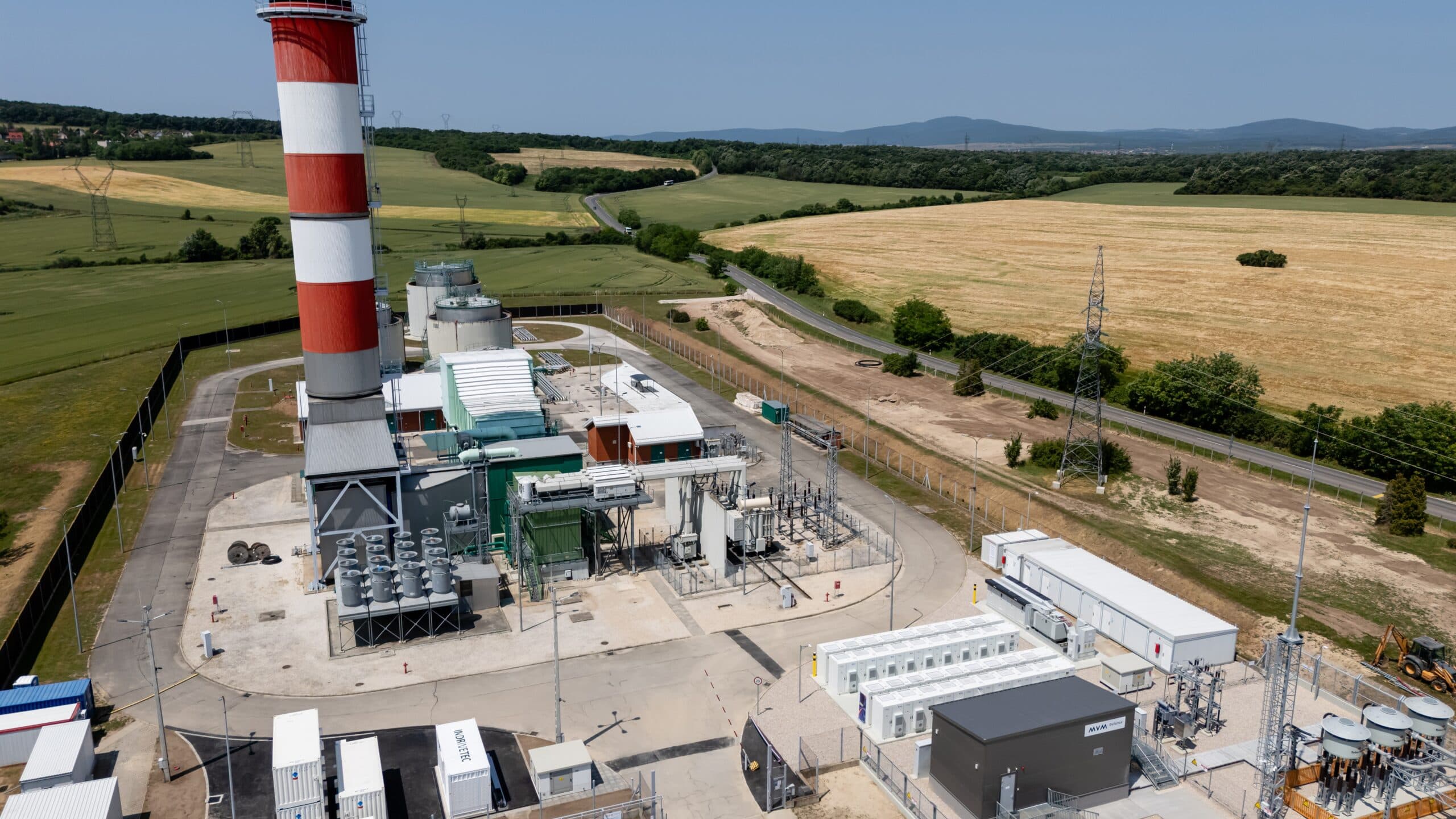
The Silent Energy War: Why This Hungarian Thermal Storage Breakthrough Changes Everything (And Who Gets Left Behind)
Forget lithium. This Hungarian thermal energy storage tech is the dark horse upsetting the entire renewable grid transition.
The Lego Secret: Why Australia's Coal-Free Iron Breakthrough Will Terrify Steel Giants
Forget multi-billion dollar smelters. This Australian innovation uses children's blocks as a blueprint for zero-carbon iron, threatening the global steel oligarchy.

DailyWorld Editorial
AI-Assisted, Human-Reviewed
Reviewed By
DailyWorld Editorial