The Lion’s Secret Weapon: Why This 'Second Roar' Changes Everything We Know About Apex Predators
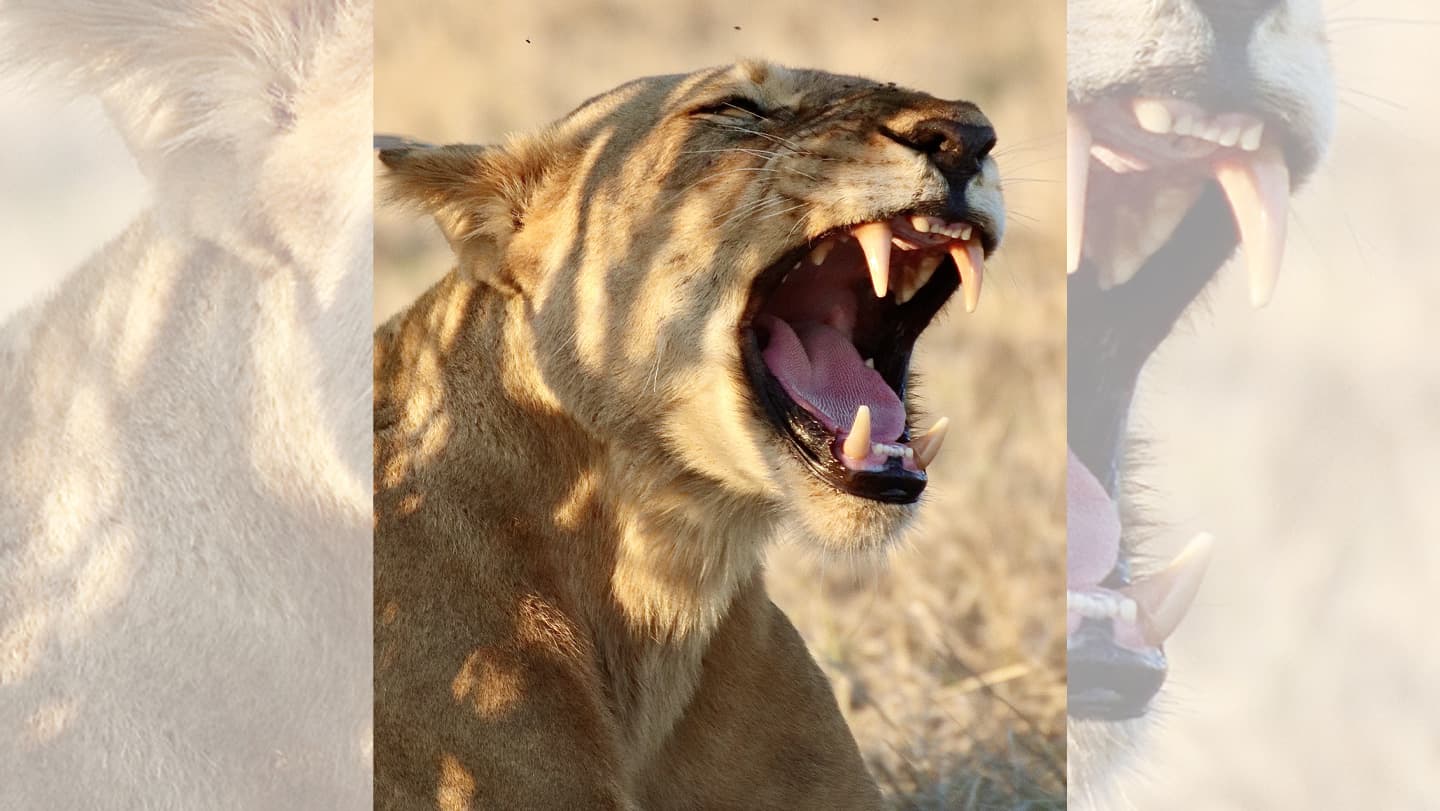
Forget the thunderous roar. Scientists found a hidden lion vocalization, revealing a new layer to predator communication.
Key Takeaways
- •Lions possess a newly discovered, low-frequency vocalization separate from the main roar.
- •This 'second roar' suggests more complex, subtle social communication than previously modeled.
- •Conservation strategies must evolve from visual tracking to advanced acoustic monitoring.
- •The discovery highlights the gap between perceived animal complexity and scientific understanding.
The Unspoken Truth: Silence is the New Threat
The world just learned that the African lion, *Panthera leo*, possesses a second, previously undocumented vocalization—a low-frequency rumble distinct from its iconic, chest-thumping roar. This isn't just a cute footnote for nature documentaries. This is a seismic shift in understanding **apex predator communication**. The roar, which travels for miles, is for dominance and territory. But what about this new sound? The unspoken truth is that the discovery of this subtle 'second roar' primarily benefits the scientists, not the lions. For decades, our conservation models have relied on observable, loud behaviors. We track the roar to estimate population density and social structure. Now, researchers must scramble to integrate this nuanced data. The real winners here are the acousticians and bio-acoustics labs whose funding applications just got infinitely more exciting. The losers? The policymakers who preferred simple, easily digestible data points for justifying conservation budgets.Deep Analysis: Why Subtlety Matters in the Concrete Jungle
We romanticize the lion's roar, but evolution favors efficiency. If this low-frequency rumble—which likely travels better through dense vegetation or over long distances without alerting rivals miles away—is prevalent, it suggests lions are communicating far more sophisticated social information than previously assumed. Think about it: The primary roar is a broadcast signal; this new sound might be the private, encrypted channel for coordinating hunts or managing internal pride politics. The implications for understanding **feline behavior** are massive. It forces us to confront how much we *don't* know about the creatures we claim to be protecting. This discovery arrives at a critical juncture. As human encroachment fragments habitats, the necessity for efficient, low-key communication increases. A loud roar is a risk; a subtle rumble is survival. This research underscores a fundamental flaw in much of modern wildlife management: an over-reliance on spectacle over substance. We need to shift focus from tracking the obvious to decoding the hidden language of survival.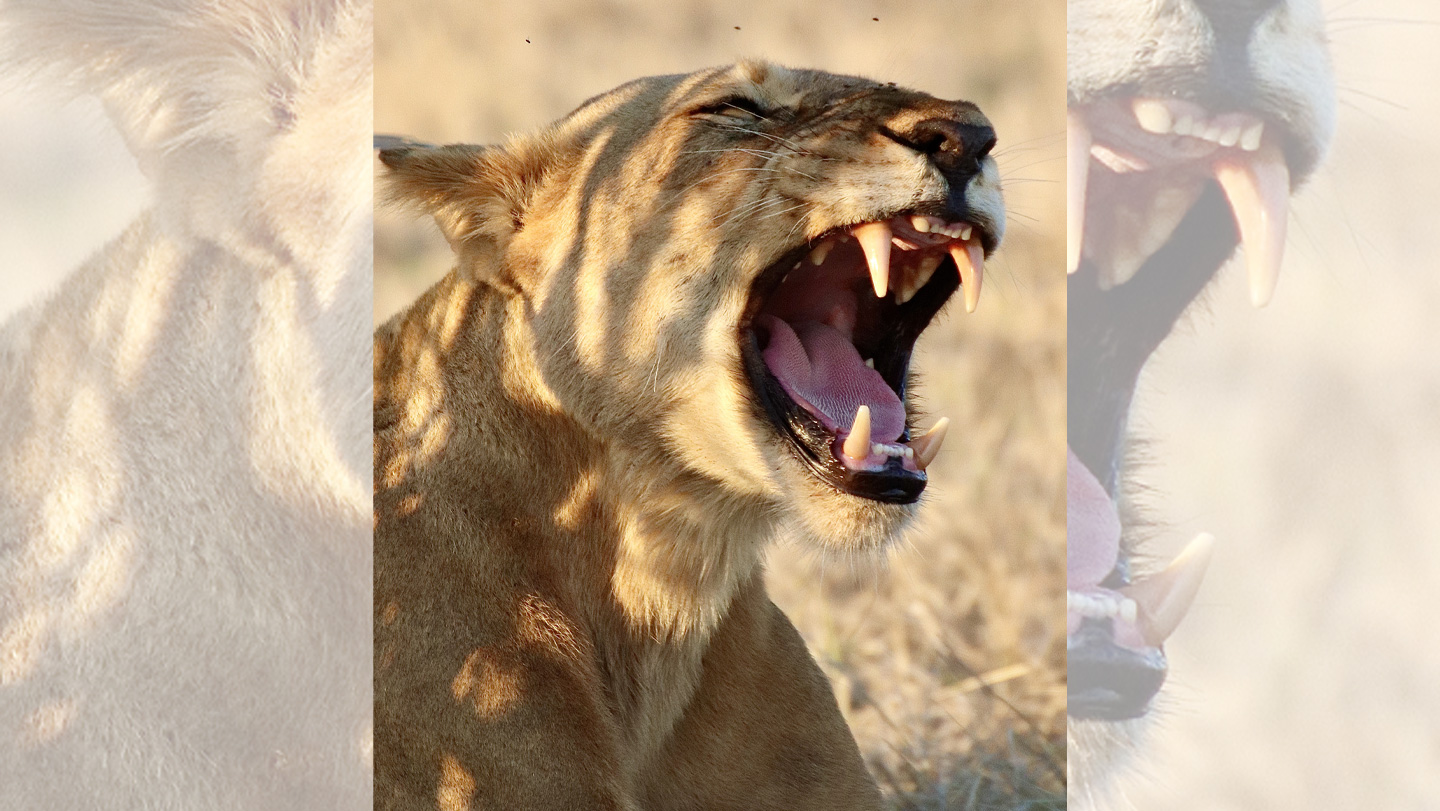
The Contrarian View: Is This Just Noise?
Some skeptics will argue this is just a variant of a known call—a minor inflection point. We disagree. In the world of **animal vocalizations**, small acoustic differences often denote massive semantic shifts. If this sound truly functions as a separate communication channel, it means lions are operating on a more complex social matrix than the classic hierarchy models suggest. This complexity demands more nuanced protection strategies, moving beyond simple anti-poaching patrols toward preserving the integrity of their social networks.What Happens Next? The Prediction
My prediction is bold: Within five years, advanced AI acoustic monitoring systems, trained on these new frequency signatures, will replace traditional visual surveys as the primary method for monitoring lion populations. Why? Because the roar is failing us in dense, human-impacted landscapes. The future of lion conservation hinges not on spotting them, but on *hearing* them—specifically, hearing the quiet conversations they are having. Expect massive investment in passive acoustic monitoring technology, turning remote wilderness areas into sprawling, high-fidelity listening posts. The next great conservation battle won't be fought with rifles, but with algorithms analyzing infrasound. This isn't just science news; it's a roadmap for how we must evolve our methods to keep pace with the adaptability of the wild.Frequently Asked Questions
What is the difference between the lion's main roar and the new second roar?
The main roar is a loud, long-distance territorial call. The newly discovered second roar is characterized as a lower frequency rumble, likely used for short-range, private communication within the pride or during coordinated activities.
How will this discovery impact lion conservation efforts?
It forces a shift towards bio-acoustics. Conservationists will need to deploy sophisticated monitoring equipment to track these subtle sounds, which may offer a more accurate picture of pride health and social structure, especially in dense habitats.
Is this new sound audible to the human ear?
While the analysis focuses on distinct frequencies, the nature of low-frequency rumbles suggests that much of this communication might be at the very edge of, or just below, human hearing range, requiring specialized equipment to detect and analyze reliably.
What other large cats use complex low-frequency communication?
Many felids, including tigers and jaguars, utilize a range of low-frequency vocalizations (like moans or grunts) that travel well through dense environments, though the specific function of the lion's newly identified second roar is unique to this study.
