The IAEA-Algeria Nuclear Pact: Why This Quiet Deal Signals a Major Geopolitical Shift
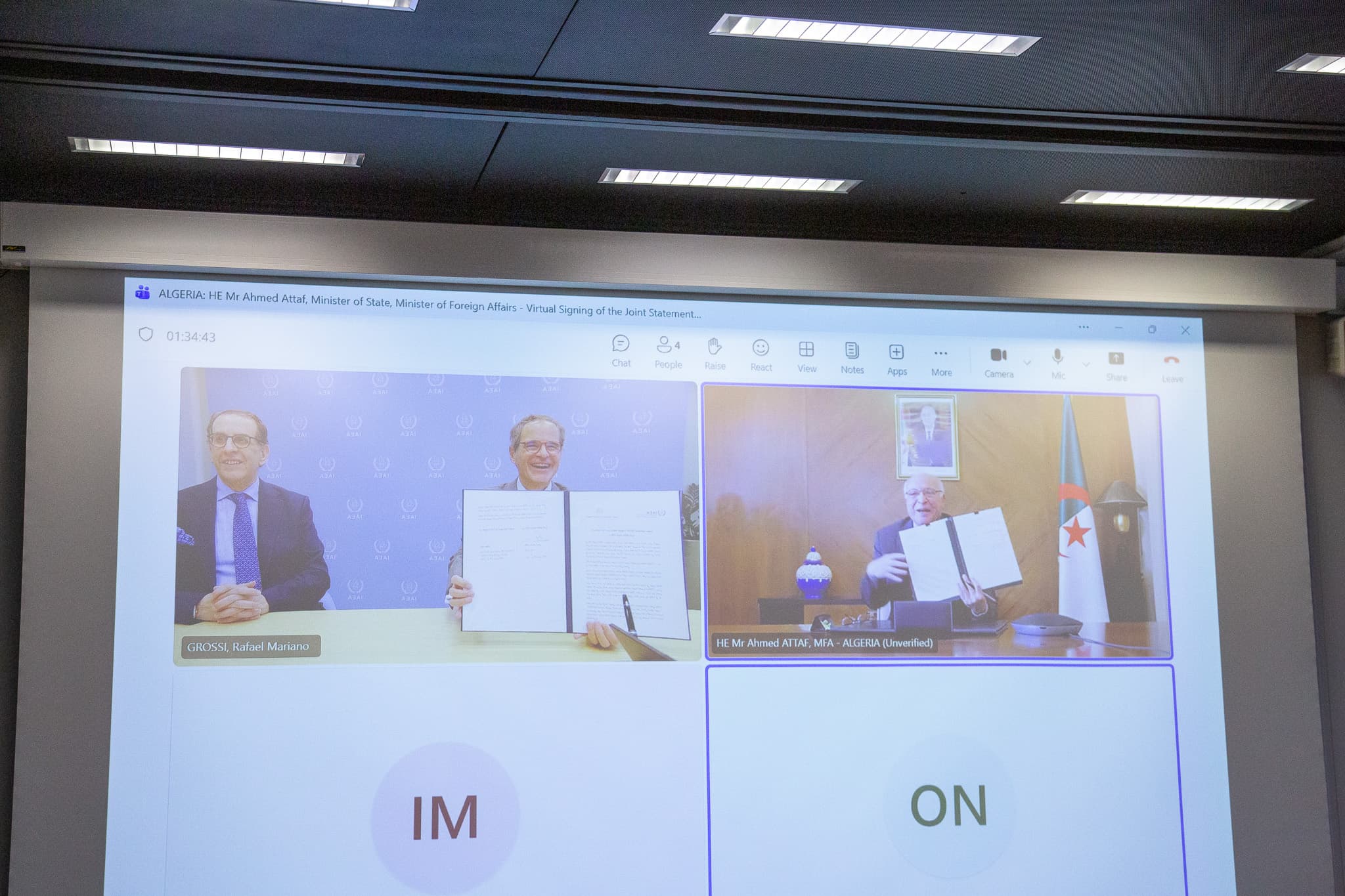
Algeria's new nuclear science deal with the IAEA isn't about power plants—it's about strategic autonomy and breaking Western energy monopolies.
Key Takeaways
- •The cooperation focuses on scientific capacity building, signaling Algeria's intent to master nuclear technology independently.
- •This move subtly challenges the long-term energy leverage held by traditional European suppliers.
- •The deal prioritizes technological autonomy over immediate, large-scale commercial reactor construction.
- •Expect Algeria to emerge as a technical nuclear training hub for non-aligned nations.
The Quiet Deal That Shakes the Energy Map
While the world fixates on volatile oil markets and the slow burn of European green transitions, a far more significant, yet underreported, development is taking shape in North Africa. The recent **IAEA cooperation** agreement signed with Algeria is not merely a procedural footnote about nuclear science and energy; it is a calculated geopolitical maneuver. Forget the boilerplate statements about peaceful research; this is about strategic leverage and a determined pivot away from traditional Western influence.
The official narrative suggests a standard capacity-building exercise. But look closer at the players. Algeria, a major gas exporter deeply embedded in the African and Mediterranean energy matrix, is signaling its intent to diversify its technological base aggressively. This isn't just about future power generation; it’s about mastering the entire nuclear fuel cycle—from research reactors to waste management expertise—without becoming wholly dependent on Franco-American oversight. This move taps directly into the growing global trend of **energy sovereignty**.
The Unspoken Truth: Who Really Wins?
The immediate winner is, predictably, the IAEA, which solidifies its role as the indispensable global arbiter of nuclear technology, even as major powers jockey for influence. But the real victor here is Algeria’s strategic planning apparatus. By focusing on nuclear science and energy cooperation now, Algiers secures access to cutting-edge, non-proliferation-vetted knowledge that bypasses the slow, politically-charged negotiations required for large-scale commercial reactor deals. This is the 'soft entry' into high-tech energy independence.
Who loses? Those banking on Algeria remaining strictly a hydrocarbon player tethered to traditional European energy security agreements. This deal subtly undermines the long-term leverage held by nations whose primary relationship with Algeria is based on gas pipelines. It’s a declaration that Algeria intends to be a technological peer, not just a resource supplier. This subtle shift in technological alignment is the hidden agenda everyone in Brussels and Washington is likely ignoring right now.
Deep Analysis: The Race for Scientific Autonomy
In the grand scheme, this cooperation reflects a global trend: nations seeking technological self-reliance to insulate themselves from sanctions and geopolitical coercion. The ability to manage complex scientific infrastructure, especially in sensitive areas like nuclear technology, grants enormous diplomatic weight. When you look at the global push for small modular reactors (SMRs) and advanced fuel processing, Algeria is positioning itself to leapfrog decades of reliance. This isn't just about electricity; it’s about national security and industrial advancement. The emphasis on nuclear science and energy infrastructure suggests a long-term vision that views fossil fuels as a transitional asset, not a destiny.
For a deeper look at the IAEA's global role, see their official mandate on peaceful uses of atomic energy [IAEA].
What Happens Next? A Bold Prediction
Within the next five years, expect Algeria to leverage this foundational expertise to become a regional hub for nuclear education and safety consultation, potentially positioning itself as a non-aligned technical partner for other African nations wary of Russian or Chinese state-backed nuclear ventures. Prediction: Algeria will quietly announce the successful commissioning of a highly advanced research reactor upgrade, funded partially through non-Western development banks but utilizing IAEA-certified protocols, effectively creating a 'third way' for nuclear technology adoption in the Global South.
This move is less about building a bomb and everything about building undeniable, verifiable, technical capacity. It’s a masterclass in low-profile statecraft.
Frequently Asked Questions
What is the primary goal of the IAEA-Algeria cooperation?
While officially centered on strengthening regulatory frameworks and promoting peaceful applications of nuclear science, the underlying goal for Algeria is achieving greater technological self-sufficiency in the nuclear sector.
Does this agreement mean Algeria is pursuing nuclear weapons?
No. The International Atomic Energy Agency (IAEA) strictly monitors and verifies nuclear material for peaceful uses under international treaties. This cooperation reinforces, rather than bypasses, non-proliferation safeguards.
How does this impact Algeria's role as a gas exporter?
It signals a long-term diversification strategy. By investing heavily in advanced energy science now, Algeria is hedging against the eventual decline in global demand for fossil fuels, ensuring future economic relevance.
What are the key keywords mentioned in this analysis?
The core keywords emphasized are 'IAEA cooperation', 'nuclear science and energy', and 'energy sovereignty'.
Related News

The Real Military Price of Kashmir's New Highways: Why Infrastructure is the Ultimate Weapon
Kashmir road development isn't just about tourism; it's a calculated geopolitical move reshaping military logistics and economic control.

The Pentagon’s Secret Weapon Isn't AI—It’s Their Sci-Fi Writers: Unpacking the Military's New Obsession
The UK military is turning to science fiction to prep for future tech shockwaves. But the real story is who controls the narrative of tomorrow's warfare.

The Silent Cartel: Why 'Collaborative Science' Is the New Weapon in the Ocean Wars
Forget 'cooperation.' The push for collaborative science in marine conservation hides a brutal power play over future fishing rights and data monopolies.
