The Hippocampus Lie: Why New Brain Layers Mean Your Memories Aren't Safe
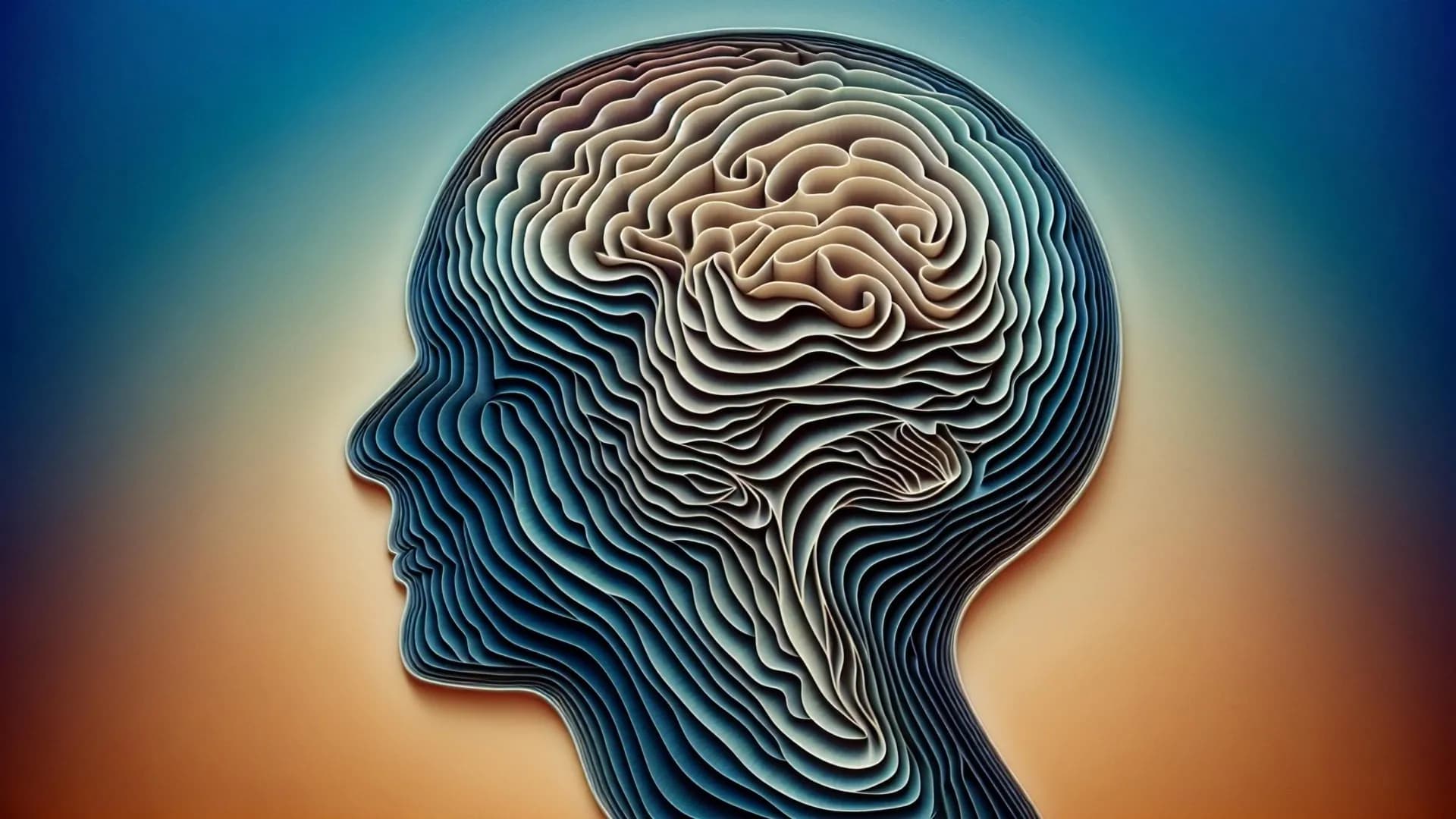
Forget everything you know about memory. New brain research exposes hidden layers in the hippocampus, signaling a seismic shift in neuroscience and cognitive enhancement.
Key Takeaways
- •Discovery of previously unknown, distinct layers within the brain's memory center (hippocampus).
- •This structure suggests modular memory storage, opening avenues for targeted manipulation.
- •The primary beneficiaries will be pharmaceutical and cognitive enhancement sectors.
- •This research raises profound ethical questions about the security and ownership of personal memory.
The Hook: The Illusion of Memory Stability Shatters
For decades, neuroscience textbooks have painted a comfortable, if simplistic, picture of the human brain: memories are stored, consolidated, and accessed via established pathways in the hippocampus. That narrative just got torn apart. Recent findings revealing previously unknown, distinct layers within the very heart of our memory center aren't just a scientific footnote; they are a profound challenge to our understanding of consciousness and identity. This isn't just about better Alzheimer's research; it’s about who controls the architecture of recall.
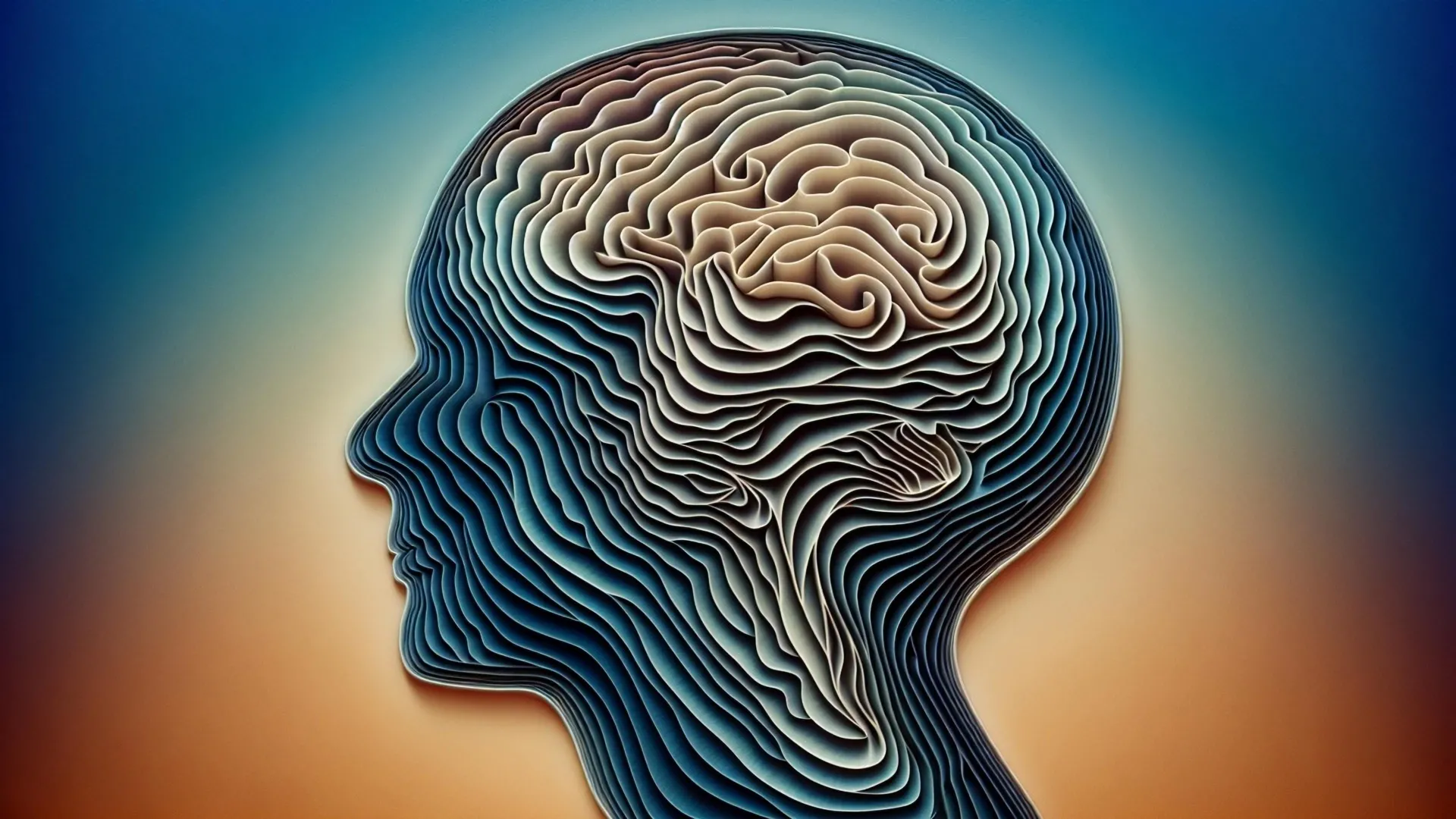
The discovery points to specialized, physically distinct compartments within the hippocampus, suggesting memory encoding is far more complex and compartmentalized than previously modeled. Think of it less like a single hard drive and more like a multi-layered RAID array, each layer potentially handling different *types* or *timelines* of memory.
The Unspoken Truth: Who Wins When We Map the Vault?
The immediate winners are pharmaceutical giants and the burgeoning cognitive enhancement industry. If scientists can isolate these layers, they can target them. This opens the door not just to curing memory loss, but to memory augmentation—the ability to enhance recall, suppress traumatic memories, or even implant synthetic ones. This research accelerates the timeline for viable 'nootropics' that don't just boost focus, but fundamentally rewire memory access points.
The loser? Individual autonomy. If memory is modular, it becomes hackable. We must confront the ethical abyss: Will governments or corporations seek access to these control panels? The ability to precisely edit the past, even for therapeutic reasons, carries dystopian potential. The debate on human cognition is about to pivot from 'Can we fix it?' to 'Should we control it?'
Deep Analysis: From Neurology to the New Economy
This finding fundamentally alters the economics of aging. If memory decline can be precisely mapped and surgically addressed at the layer level, the value proposition of life extension skyrockets. We are witnessing the true birth of the 'experience economy,' where the quality and retention of personal experience become the ultimate commodity. This research provides the blueprint for the next generation of bio-hacking startups.
Furthermore, consider the legal implications. How reliable is eyewitness testimony if memory layers can be proven fallible or subtly manipulated post-event? The legal system, already struggling with digital forensics, now faces the specter of biological forensics applied to subjective recall. This moves beyond simple psychology into hard neurobiology, directly impacting jurisprudence.
What Happens Next? The Prediction
Within five years, expect the first peer-reviewed studies demonstrating targeted, non-invasive modulation of one of these newly identified hippocampal layers in animal models, specifically targeting PTSD erasure. The subsequent public pressure for human trials will be immense, driven by veterans and trauma survivors. However, the real breakthrough—and the true controversy—will erupt when a major tech firm (likely one heavily invested in neural interfaces) announces a partnership with a neurobiology lab to develop a **cognitive enhancement** tool based on this layering principle. This won't be about fixing disease; it will be about competitive advantage in the workplace.
Key Takeaways (TL;DR)
- New layers in the hippocampus mean memory storage is far more complex than previously understood.
- This discovery is a roadmap for unprecedented memory augmentation and trauma erasure technologies.
- The ethical winners are biotech investors; the losers are concepts of immutable personal history.
- Expect the next major push to be targeted modulation of these layers, potentially leading to cognitive hacking.
Frequently Asked Questions
What is the hippocampus and why is it important for memory?
The hippocampus is a major component of the brain, critical for the formation of new memories and for spatial navigation. It acts as a central hub for consolidating short-term memories into long-term storage.
How does finding new layers change our understanding of memory storage?
Previously, memory was thought to be more diffusely stored. New distinct layers imply specialized, compartmentalized storage units, suggesting certain memories (e.g., emotional vs. factual) might be physically segregated and accessed independently.
Could this research lead to memory manipulation or enhancement?
Yes, precisely. If these layers can be isolated and understood, scientists gain targets for pharmacological intervention to either boost recall (enhancement) or suppress unwanted memories (manipulation).
What is the main ethical concern regarding these new brain structures?
The primary concern is the potential for unauthorized or coercive manipulation of memory, threatening individual autonomy and the reliability of personal history, especially if such technology falls under corporate or state control.
Related News

The Universe is Hiding Something: Why NASA's 'Darkest Galaxy' Discovery Changes Everything We Thought About Cosmic Evolution
NASA's Hubble just found one of the darkest galaxies ever. This isn't just astronomy; it's a fundamental challenge to our understanding of **galaxy formation** and **dark matter** distribution.
The Star That Ate Itself: Why the 'Vanishing Giant' Hides a More Terrifying Cosmic Truth
The sudden disappearance of a massive star isn't just a curiosity; it exposes the blind spots in our understanding of black hole formation and cosmic consumption.

The Hidden War for Cosmic Truth: Why Roman Telescope Data Will Make or Break Dark Energy
The Vera C. Rubin Observatory (Roman Telescope) is poised to revolutionize cosmology, but the real battle isn't just finding supernovae—it's controlling the narrative around dark energy.

DailyWorld Editorial
AI-Assisted, Human-Reviewed
Reviewed By
DailyWorld Editorial