The Hidden Lunar War: Why NASA's Artemis IV Science Picks Signal A Geopolitical Land Grab, Not Just Discovery
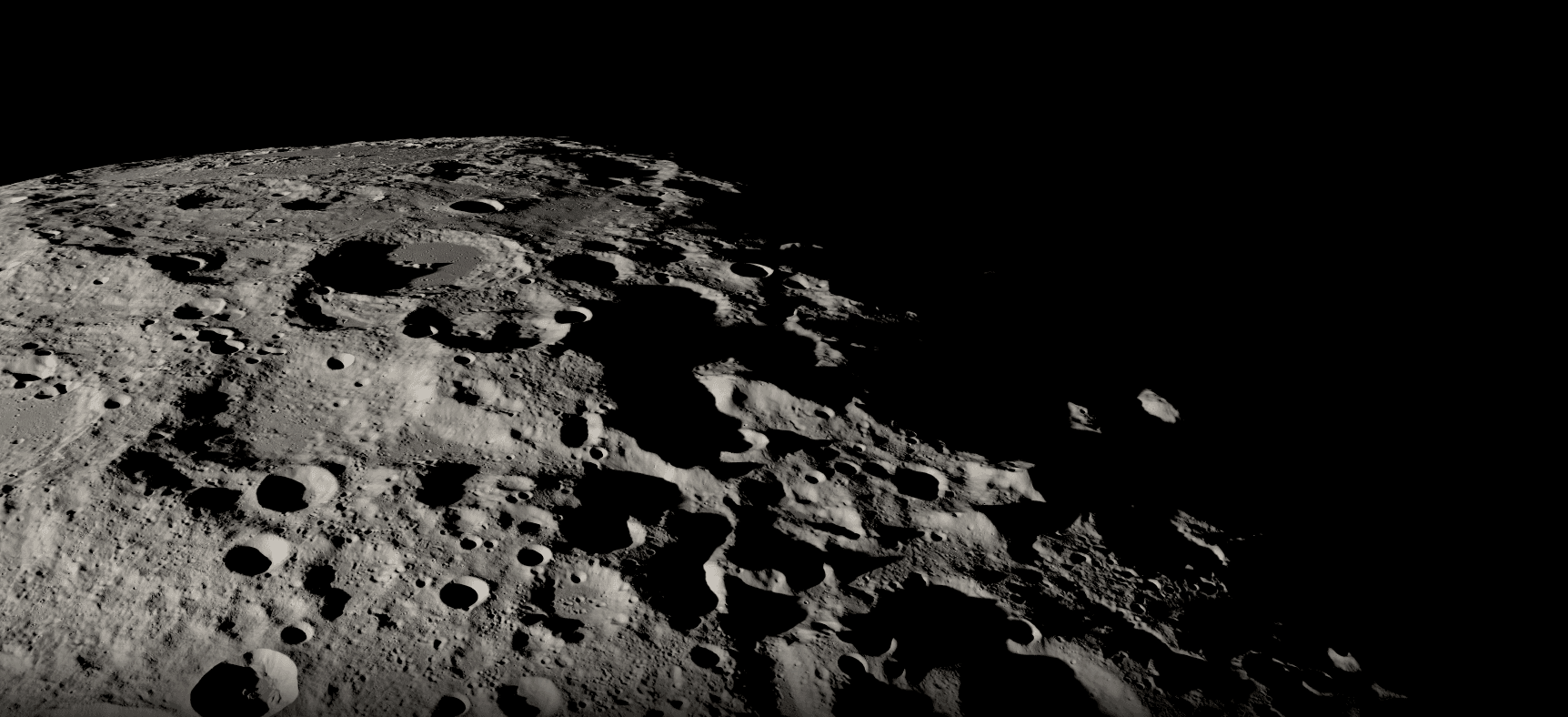
NASA's Artemis IV science selections reveal a subtle but critical shift in lunar strategy. Analyze the real winners in this new space race.
Key Takeaways
- •NASA’s Artemis IV instrument selection is a strategic move to map water ice resources for future propellant production.
- •The focus on hydrogen mapping (via LNS) signals a prioritization of In-Situ Resource Utilization (ISRU) over pure academic science.
- •This development solidifies the commercial imperative behind the Moon race, shifting power dynamics away from government-only science.
- •The data gathered will likely become a flashpoint in future international space governance debates.
The Hook: More Than Just Rocks and Dust
Forget the PR spin about groundbreaking lunar science. When NASA's Jet Propulsion Laboratory (JPL) quietly announced the two selected instruments for the Artemis IV surface science mission, they weren't just picking tools; they were drawing lines in the lunar regolith. The selection of the Lunar Neutron Spectrometer (LNS) and the Surface Pangenomic Environmental Monitor (SPEM) seems benign on the surface, but scratch that thin layer of dust, and you uncover the unspoken truth: this is about securing strategic real estate long before the boots hit the ground. This announcement, buried under standard government press releases, is a masterclass in strategic signaling in the new era of lunar exploration.
The Meat: Who Really Wins With Neutron Spectrometry?
The LNS is designed to map hydrogen distribution. Why is hydrogen the holy grail? Because hydrogen, in its various forms (like water ice), is the key ingredient for In-Situ Resource Utilization (ISRU)—specifically, manufacturing propellant and breathable air. This isn't pure science; it's resource reconnaissance masquerading as fundamental research. The unspoken winner here is the nascent commercial space sector that will ultimately bid on extracting these resources. NASA is de-risking the most valuable real estate near the Moon's South Pole.
Contrast this with the SPEM, which monitors the local environment. While crucial for astronaut safety and long-term habitat planning, it’s the supporting actor. The core mission, the true prize in this space economy, is resource location. The decision highlights a hard truth: the geopolitical race to the Moon isn't about planting flags; it's about staking claims on the fuel depot.
The Why It Matters: The Shadow of Commercialization
The Artemis program is not Apollo 2.0. It is a partnership, and the real power dynamic is shifting away from pure government mandate toward commercial viability. By prioritizing instruments that directly support resource extraction feasibility, NASA is effectively signaling to private investors: "We know where the gold is, and we are paving the way for you to mine it." This accelerates the timeline for permanent lunar bases dramatically. If you look at the current geopolitical tensions, establishing resource dominance on the Moon—even just the knowledge base for it—provides an undeniable strategic advantage. This subtle scientific selection is a powerful economic lever.
Where Do We Go From Here? The Ice Wars Prediction
My prediction is bold: By Artemis V, the primary scientific goals will shift almost entirely to optimizing resource extraction protocols, rather than purely academic discovery. We are heading toward an era of **lunar exploration** defined not by NASA's mandates, but by the cost-per-liter of water ice delivered to a low-Earth orbit depot. Furthermore, expect significant friction between the US-led Artemis Accords signatories and non-signatories (like China and Russia) over the interpretation of resource rights in permanently shadowed regions. The LNS data from Artemis IV will become the most highly classified, economically significant dataset in human history, far surpassing the value of any geological sample.
Key Takeaways (TL;DR)
- Artemis IV science selection prioritizes hydrogen mapping (water ice) over general geology.
- This is a direct precursor to commercial resource utilization (ISRU) and economic advantage.
- The real winners are the future private contractors poised to mine lunar resources.
- Expect increased geopolitical tension over resource claims near the South Pole.
Gallery



Frequently Asked Questions
What is the main purpose of the Lunar Neutron Spectrometer (LNS) selected for Artemis IV?
The LNS is designed to detect and map the presence of hydrogen, which is a key indicator for water ice deposits located beneath the lunar surface, especially in permanently shadowed regions.
How does the Artemis IV science selection relate to the commercial space industry?
By focusing on resource mapping, NASA is essentially performing high-value reconnaissance for future commercial endeavors, de-risking investments in lunar mining and in-situ resource utilization (ISRU).
What is the 'Unspoken Truth' regarding the Artemis IV mission goals?
The unspoken truth is that the mission heavily favors establishing the groundwork for resource extraction—the economic future of lunar activity—over purely historical or academic scientific inquiry.
What are the Artemis Accords?
The Artemis Accords are a set of non-binding multilateral agreements between the United States and allied nations establishing principles for peaceful and sustainable civil exploration and use of the Moon, Mars, and beyond. You can read more about the principles on NASA's official site.
Related News

The Hidden Cost of Kano's Tech Boom: Why 'Innovation' in Africa is Often Just Digital Colonialism
Forget the glossy press releases. The true impact of science and tech initiatives in Kano reveals a deeper geopolitical struggle over digital sovereignty.

The Hidden Cost of China's Mushroom Diplomacy: Who Really Profits From African Agri-Tech Training?
Beneath the surface of mushroom training lies a geopolitical play. Unpacking the true winners and losers in this 'Juncao Technology' agricultural push.

China's Digital Cage: The Hidden Cost of 'Convenience' in the World's Largest Tech Lab
Unpacking the true price of China's hyper-digitized daily life: convenience for the state, compliance for the citizen.
