The Hidden Economics of Misery: Why Your Pop Music Is Secretly Engineered to Make You Sad
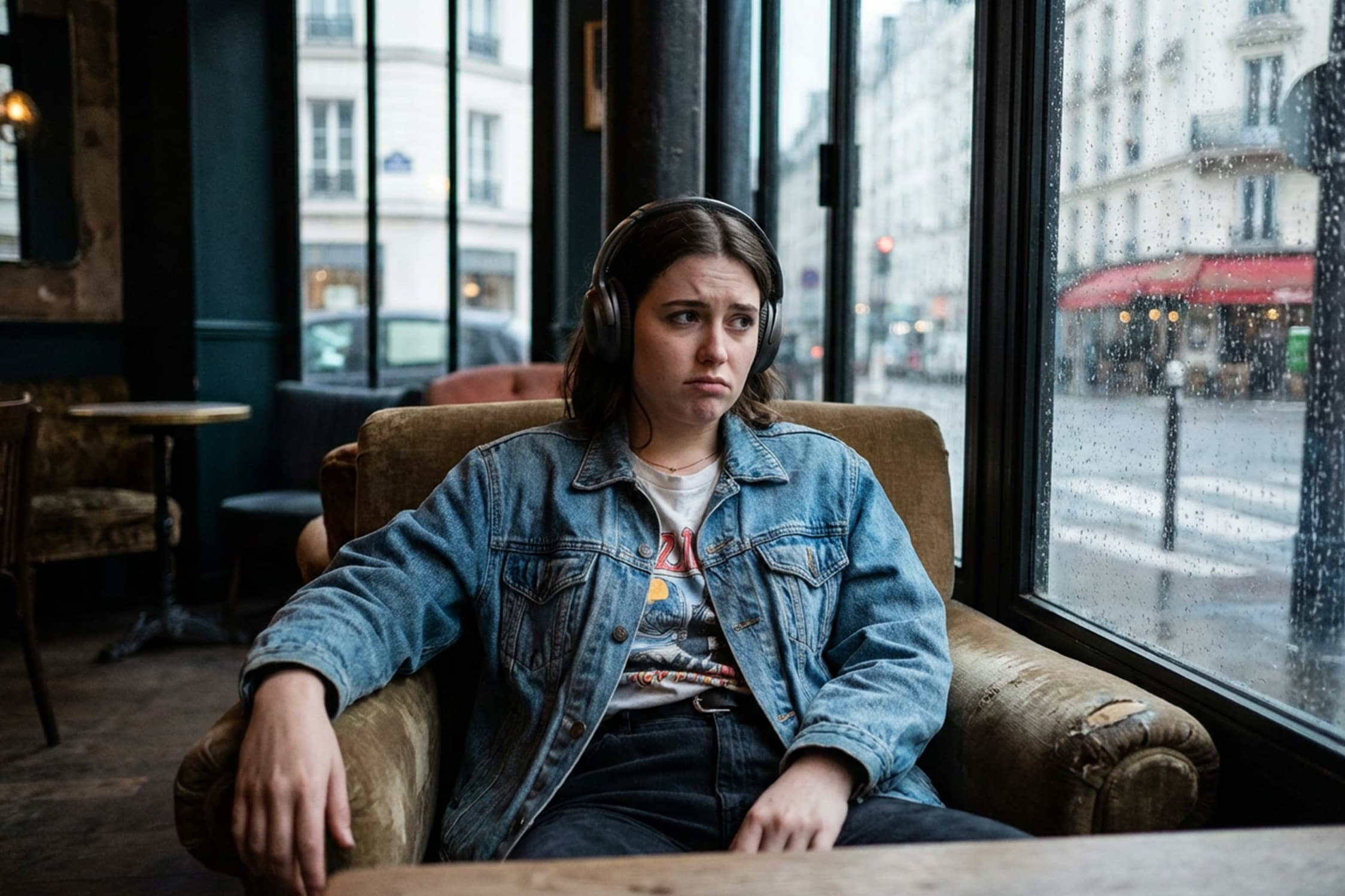
The trend of sad pop music isn't cultural decay; it's a calculated move. Discover the dark economics driving modern chart-toppers and why listening to sad songs sells.
Key Takeaways
- •The increasing sadness in pop music is an economically engineered trend designed to maximize streaming engagement.
- •Data analytics dictate that emotional vulnerability, even negative emotion, drives higher retention rates than simple happiness.
- •This focus on quantifiable emotion stifles true musical innovation in favor of proven, sad tropes.
- •The market is due for a backlash favoring complex, high-production joy as listeners tire of manufactured melancholy.
The Hook: Are We Living in a Sonic Depression?
Every year, the data confirms it: popular music is getting objectively sadder. The average valence—the musical measure of positivity—in chart-topping hits is plummeting. But before you blame societal decline or the collective angst of Gen Z, stop. This isn't organic cultural evolution; **this is behavioral engineering**. We are witnessing the calculated monetization of melancholy, and the trend of sad pop music is far more calculated than any cultural critic dares admit.
The Meat: Valence, Virality, and The Attention Economy
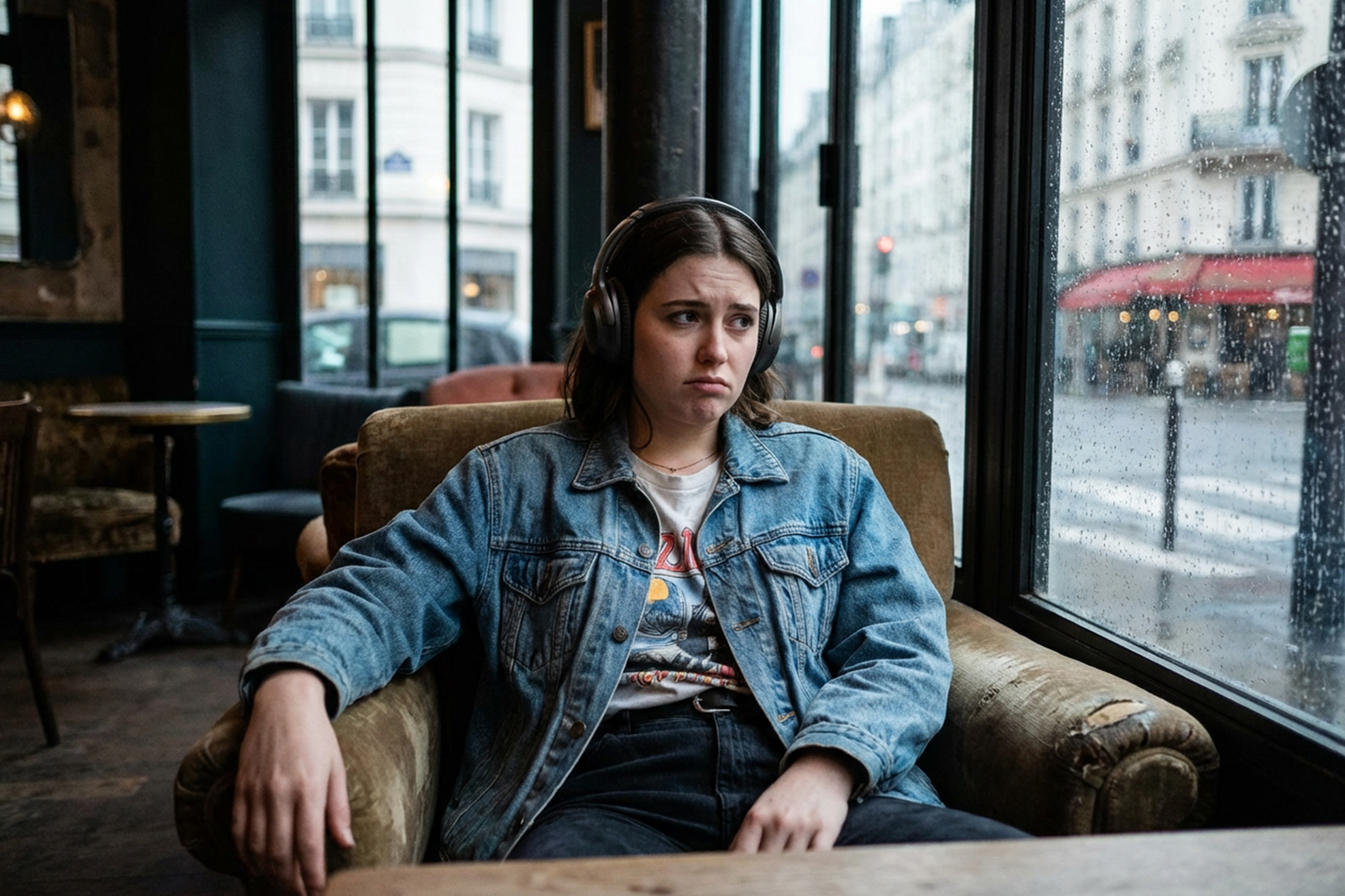
Recent analyses, tracking decades of hit singles, confirm a clear downward slope in musical happiness. But why would artists and labels push emotional negativity? The answer lies in the algorithm. In the attention economy, engagement is currency. Sadness, nostalgia, and emotional vulnerability are **high-engagement triggers**. A song that makes you feel deeply—even uncomfortably—is far more likely to be replayed, shared, and commented on than a purely upbeat track.
This drives up stream counts, which directly translates to revenue. The industry isn't interested in making you happy; they are interested in making you feel. And feeling strongly, even negatively, keeps your ears tuned in. This isn't just about music trends; it’s about data mining human emotion for profit. The irony is that the very act of listening to sad music often provides temporary catharsis, creating a feedback loop where the listener seeks out the source of their temporary comfort—more sad songs.
The Unspoken Truth: Who Really Wins?
The biggest winners here are not the artists, but the streaming platforms and the data aggregators. They possess the precise metrics showing which specific key changes or lyrical themes correlate with maximum user retention. The current landscape favors the meticulously crafted “sad banger”—a track that sounds upbeat enough for the gym but carries lyrical weight that satisfies the need for emotional depth. The real losers are the artists who strive for genuine, unadulterated joy in their work. They are sidelined because genuine joy is harder to quantify and less reliably addictive than manufactured sorrow.
Furthermore, consider the impact on songwriting. When the goal is maximizing sadness metrics, creativity suffers. We see homogenization—a reliance on proven minor keys and lyrical tropes surrounding heartbreak or existential dread. This stifles innovation in favor of predictable emotional payoffs, creating a cultural echo chamber. This shift in music theory favors pattern recognition over genuine artistic leaps.
What Happens Next? The Prediction
The saturation point for manufactured melancholy is closer than you think. When every track sounds like a beautiful funeral, the market will inevitably crave the opposite. My prediction: The next major disruption in mainstream music will be a radical, unapologetic return to **maximalist, complex joy**. Not simple bubblegum pop, but sophisticated, high-production music focused purely on euphoria and aspirational success. We will see a backlash against the current trend of calculated vulnerability, leading to a brief, glorious era of musical optimism, driven by listeners exhausted by constant emotional labor. This counter-movement will be as profitable as the current sad wave, proving that the only constant in the music industry is the relentless pursuit of the next profitable emotional niche.
Key Takeaways (TL;DR)
- Sad pop music is driven by streaming economics, not cultural decline.
- Emotional triggers maximize user engagement and replay value.
- The industry profits from predictable emotional responses over genuine artistic exploration.
- Expect a sharp, market-driven pivot toward highly produced, complexly joyful music in the near future.
Frequently Asked Questions
Why do people listen to sad music when they are already sad?
Listening to sad music often provides catharsis or validation. It makes the listener feel understood, which can temporarily reduce feelings of isolation, even if the content itself is melancholic. This feeling of connection is highly engaging for streaming platforms.
What is 'valence' in music analysis?
Valence is a term used in music information retrieval (MIR) to describe the perceived positivity or happiness conveyed by a piece of music. Low valence indicates sadness, while high valence indicates joy or excitement. Studies show pop music valence is decreasing.
Are major labels forcing artists to write sadder songs?
While not explicitly forced, A&R teams and producers are heavily influenced by data showing which types of songs perform best. Artists are incentivized—through budget, promotion, and contract negotiation—to lean into themes that data proves will retain listeners.
What high-authority sources discuss music valence trends?
Research on music mood and emotional valence is often published in journals relating to psychology and computer science. Major publications like the New York Times and Reuters have covered findings from academic studies on how music streaming data reflects emotional shifts.
Related News

The Silent Cost of Stardom: Why Phil Collins' Health Crisis Exposes the Rot in Rock Royalty
Phil Collins' need for 24-hour care isn't just celebrity news; it's a stark look at the hidden physical toll of decades in the spotlight.

The Hidden Price of 'Science on Screen': Why Your Local Cinema Is Now a Trojan Horse for STEM Agendas
The Salina Art Center's Science on Screen grant isn't just about movies; it signals a national push to weaponize public cultural spaces for **STEM education**.

Lasizwe's Retreat: The Cynical Reality Behind Celebrity Mental Health Performance Art
Is Lasizwe's festive mental health retreat genuine healing or just peak influencer branding? We dissect the performance.

DailyWorld Editorial
AI-Assisted, Human-Reviewed
Reviewed By
DailyWorld Editorial