The Hidden Cost of TCL's 'Green' Water Tech: Is This Corporate ESG Just a Smokescreen for Resource Control?

TCL's push for advanced water management isn't just about sustainability; it signals a major shift in how tech giants secure vital resources. We analyze the strategy.
Key Takeaways
- •TCL's water management focus is a strategic move to secure operational continuity against rising resource scarcity.
- •Water efficiency is rapidly becoming a core competitive differentiator in high-tech manufacturing, surpassing simple environmental compliance.
- •This initiative effectively raises the barrier to entry for smaller competitors lacking capital for advanced recycling infrastructure.
- •Expect TCL to monetize this internal expertise by offering water solutions to other industrial players soon.
The Hook: The Mirage of Corporate Sustainability
When a giant like **TCL Technology** announces pioneering efforts in advanced water management and clean technology innovation, the press release sings a predictable chorus of ESG virtue. But strip away the greenwashing, and you find something far more strategic: a calculated move to **secure operational longevity** in an increasingly water-stressed world. The real story isn't about altruism; it’s about resource arbitrage and future-proofing supply chains. This isn't just about being 'green'; it’s about ensuring they can keep the lights—and the fabrication plants—on when competitors run dry.
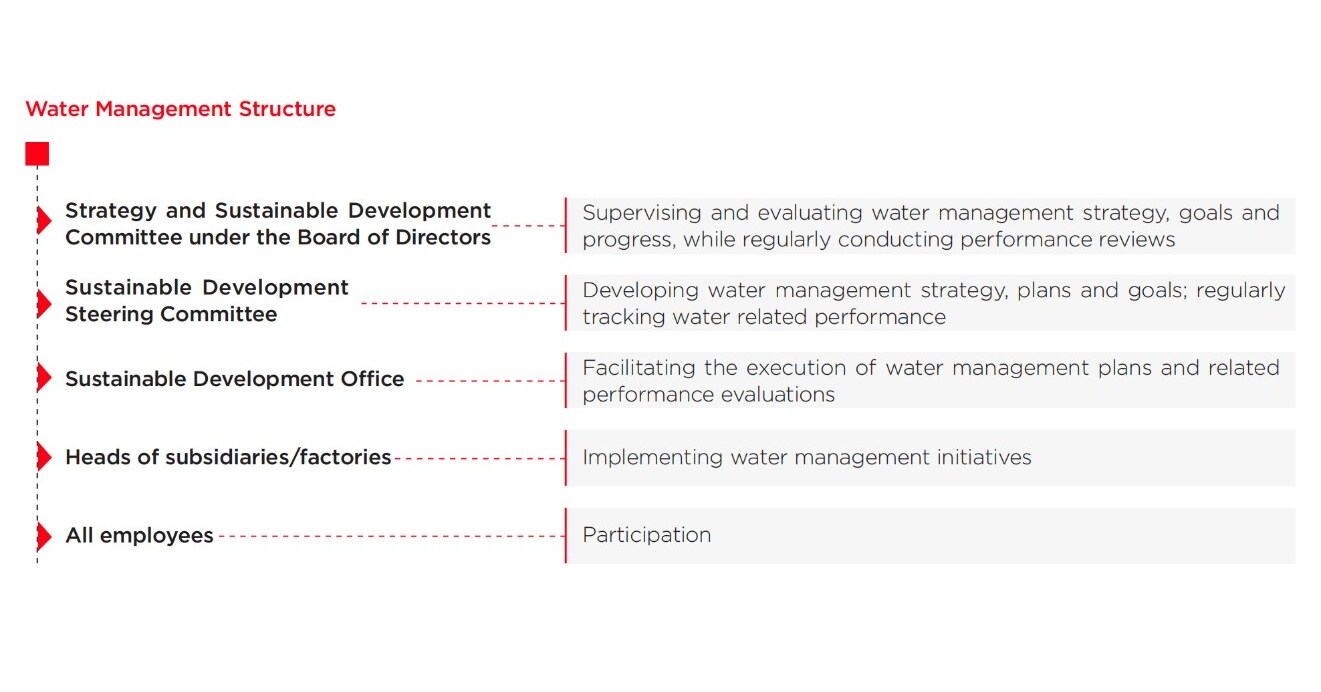
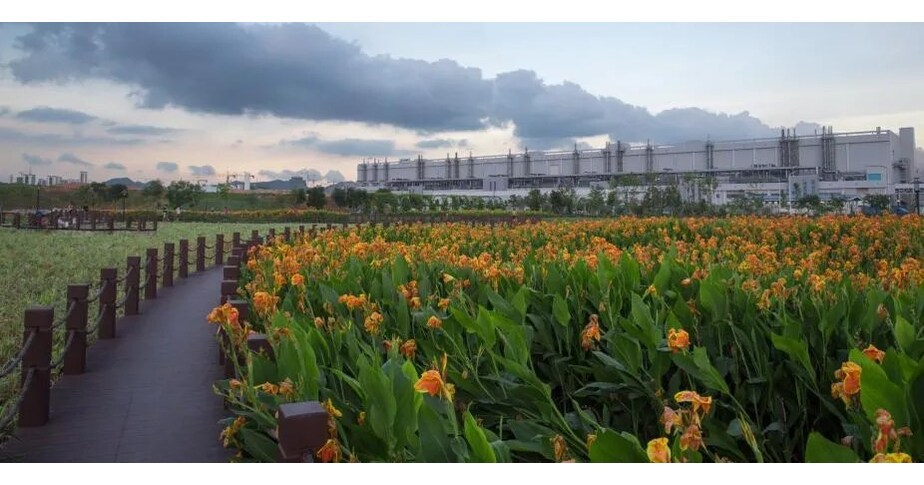
The recent pronouncements focus heavily on closed-loop water systems and artificial wetlands, positioning TCL as a leader in sustainable manufacturing. While laudable on the surface, this narrative conveniently ignores the massive, ongoing water consumption inherent in display panel production. The unspoken truth is that for high-tech manufacturing—especially semiconductors and advanced displays—water is becoming as critical as lithium or rare earth minerals. TCL is not just innovating; they are aggressively **de-risking their operational footprint** against geopolitical instability and regional drought.
The Meat: Water as the New Oil for Tech Giants
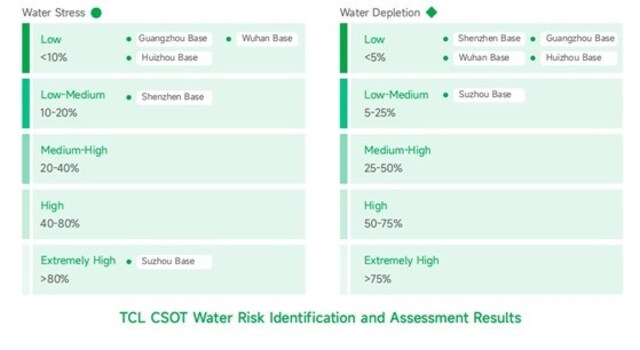
Why is water management suddenly a PR centerpiece for a consumer electronics giant? Because the global semiconductor and display manufacturing ecosystem relies on ultra-pure water in staggering quantities. As droughts intensify across Asia—the epicenter of global electronics production—companies that master water recycling and scarcity mitigation gain an undeniable competitive edge. **TCL Technology** is signaling to investors that they have a playbook for maintaining production quotas even as local water rights become fiercely contested. This is a preemptive strike against future regulatory bottlenecks. Think of it: water scarcity is the next major bottleneck for the entire consumer electronics sector.
The focus on 'clean technology innovation' is a Trojan horse. It allows them to build internal expertise and infrastructure that can be leveraged not just for optics, but for genuine, cost-saving efficiency. Who loses? Smaller, less capitalized competitors who rely on older, less efficient water infrastructure and who cannot afford the capital expenditure required for these advanced closed-loop systems. This initiative effectively raises the barrier to entry.
The Why It Matters: ESG as Competitive Strategy
We must stop viewing ESG initiatives purely through the lens of corporate social responsibility. For firms like TCL, it is now a core component of **corporate strategy**. By publicizing these environmental wins, they attract top-tier engineering talent increasingly motivated by purpose, and they secure favorable financing terms from banks prioritizing green investments. This cycle reinforces their market dominance. They are turning a potential liability (massive water usage) into a perceived asset (water stewardship).
Furthermore, this positions them favorably with governments seeking to meet national carbon reduction targets. By demonstrating mastery over industrial water use, TCL becomes a 'preferred partner' in regions where water rights are politically sensitive. This is sharp-elbowed business disguised in environmental rhetoric. We are witnessing the commodification of sustainability itself.
The Prediction: The Water Tech Arms Race
Within five years, water recycling efficiency metrics will become as crucial to supplier selection as chip yield rates. We predict that TCL will spin off its water management division within three years, not as a profit center, but as a strategic B2B service provider exclusively for other high-demand manufacturers, creating a secondary revenue stream built directly on their operational necessity. The race for **sustainable manufacturing** isn't about saving the planet; it’s about cornering the market on the resources needed to build the future.
Gallery


Frequently Asked Questions
What is the primary driver behind TCL's focus on advanced water management?
The primary driver is operational resilience. High-tech manufacturing, especially displays, requires vast amounts of ultra-pure water. Securing this resource against increasing regional droughts and regulatory pressure is a critical component of maintaining production output.
How does this relate to the broader consumer electronics sector?
It sets a new competitive benchmark. As water stress increases globally, manufacturers who can drastically reduce consumption or recycle effectively (like TCL aims to do) will maintain production stability while competitors face operational risks.
Is TCL's water initiative purely altruistic or strategic?
While it yields environmental benefits, the core motivation appears strategic. It de-risks the supply chain, attracts talent focused on sustainability, and positions the company favorably with regulators, essentially turning a potential liability (high water use) into a strategic advantage.
What are the key challenges in high-tech water usage?
The main challenges involve maintaining the extreme purity levels required for fabrication processes while managing the sheer volume of wastewater generated, often in water-scarce regions.
