The Hidden Cost of Swindon’s ‘Refurbished’ Health Hydro: Is This Public Asset Being Privatized by Stealth?
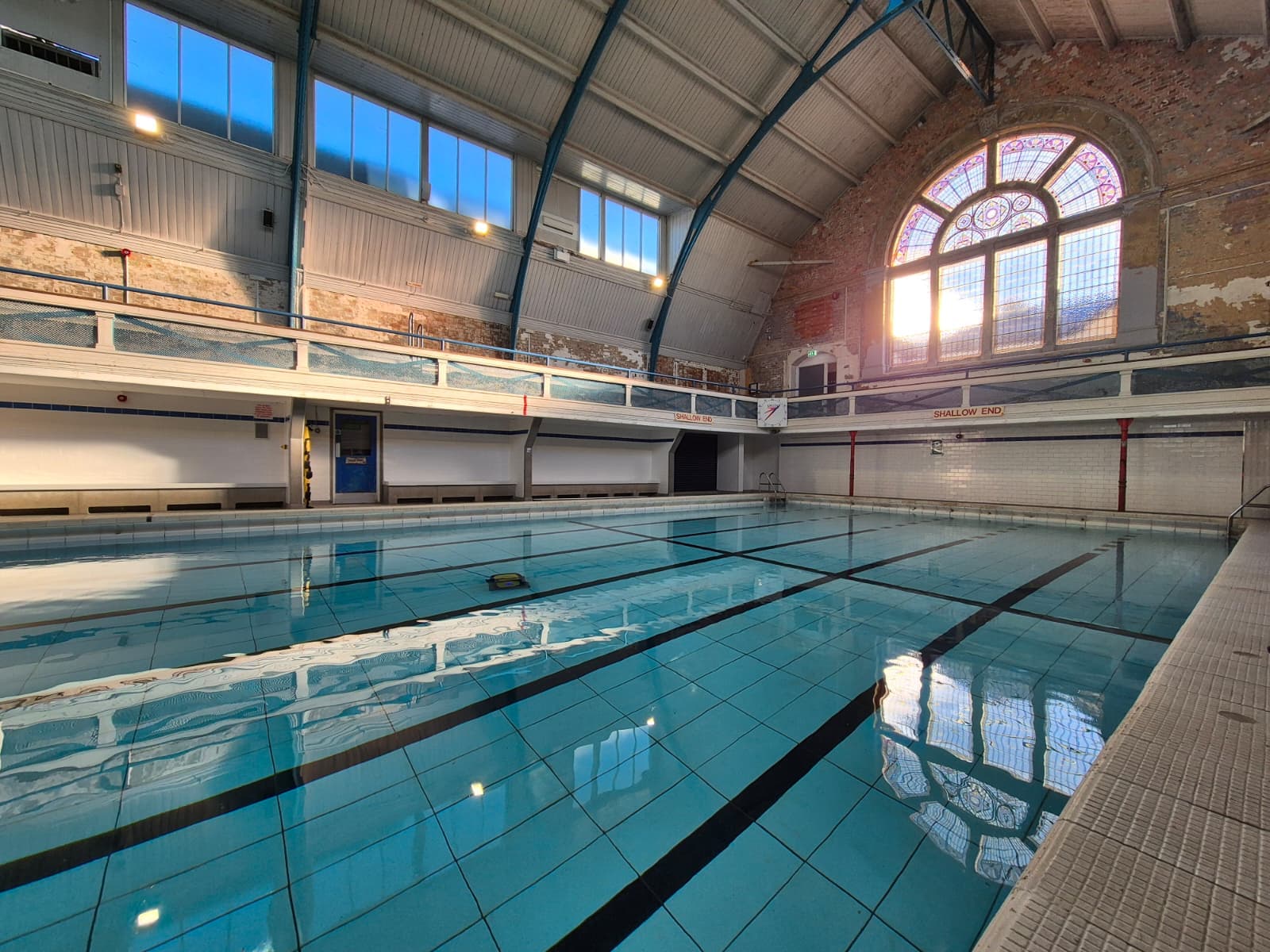
Swindon's Health Hydro reopens after refurbishment, but the real story is the creeping privatization of essential public health infrastructure.
Key Takeaways
- •The refurbishment masks a potential shift towards private sector operational control.
- •Expect significant fee increases within three years to cover operational costs.
- •The true measure of success is long-term accessibility, not just new infrastructure.
- •This mirrors a national trend of local authorities divesting from direct management of public amenities.
The Illusion of Community Renewal
Swindon’s Health Hydro is back in business, shiny and new after its extensive refurbishment. On the surface, this is a win for public health and local amenities. But peel back the glossy promotional material, and a far more cynical reality emerges. This isn't just about new tiles and better filtration; it’s about the slow, almost imperceptible shift in how municipal assets are managed, funded, and ultimately, controlled. We need to talk about the true cost of this supposed community triumph and the long-term implications for accessible leisure facilities in the UK.

The Unspoken Truth: Subsidy or Soft Takeover?
Who truly benefits from this multi-million-pound facelift? While the council touts improved services, the underlying mechanism often involves handing operational control, or at least significant influence, to external management partners or trusts. This is the modern playbook: taxpayer money funds the capital expenditure (the shiny new building), but rising operational costs—often deliberately inflated through complex contracting—force higher user fees or reduced accessibility for vulnerable groups. The local resident gets a nice pool, but the long-term control slips away. This pattern is visible across the UK's struggling local authority sector, where maintaining leisure facilities becomes an impossible burden, paving the way for private-sector efficiency—or profit extraction.
Analysis: The Economics of Apathy
The Health Hydro isn't just a swimming pool; it's a microcosm of local governance failure. When essential services require massive, periodic bailouts disguised as 'upgrades,' it signals a failure of sustainable funding models. The initial excitement over the reopening masks the impending reality: higher membership tiers, reduced off-peak access for subsidized groups, and a focus on maximizing revenue from paying users rather than serving the entire population. We must ask: Are we investing in public good, or building a more expensive amenity that only the affluent can truly afford long-term? The keyword here is accessibility; if the price point shifts too far, the Hydro transforms from a public utility into a premium club.
What Happens Next? The Prediction
Within three years of this 'grand reopening,' expect two things. First, membership fees will have increased by at least 20% above the rate of inflation, justified by 'rising energy costs' (a predictable scapegoat). Second, the management structure will quietly shift again, likely involving a long-term lease agreement with a national leisure chain under the guise of 'financial stability.' Swindon will have traded short-term pride for long-term dependence on a corporate entity whose primary fiduciary duty is to shareholders, not to the health outcomes of Swindon residents. The fight for true public health infrastructure is never truly won; it must be fought anew with every budget cycle.
The Future of Public Amenities
This trend isn't unique to Swindon. Across the UK, councils are divesting from direct management of assets like libraries, parks, and swimming pools. For deeper context on the pressures facing local government funding, look at reports from the Institute for Fiscal Studies (IFS). The challenge is maintaining high-quality leisure facilities without sacrificing the very principle of public access. The Health Hydro's reopening is merely the calm before the next storm of austerity measures.
Frequently Asked Questions
What is the main concern regarding the Health Hydro reopening?
The primary concern is that while capital investment is welcome, the operational structure may lead to reduced accessibility or higher costs for residents in the near future, effectively privatizing a public asset by stealth.
What is the historical context for UK leisure facility management?
Many UK local authorities have struggled to fund and maintain large leisure facilities since austerity measures began. This has often led to outsourcing management to private companies, prioritizing revenue generation over universal access.
How does this relate to national public health strategy?
Accessible, affordable swimming and exercise facilities are crucial components of preventative public health. If these facilities become too expensive, the burden on the NHS for treating lifestyle-related illnesses increases.
What are target keywords for this analysis?
The key terms analyzed for this deep dive were 'public health,' 'leisure facilities,' and 'Swindon Health Hydro.'

DailyWorld Editorial
AI-Assisted, Human-Reviewed
Reviewed By
DailyWorld Editorial