The Hidden Cost of 'Smart Farming': Why Teagasc's Tech Day Hides Agriculture's Real Crisis
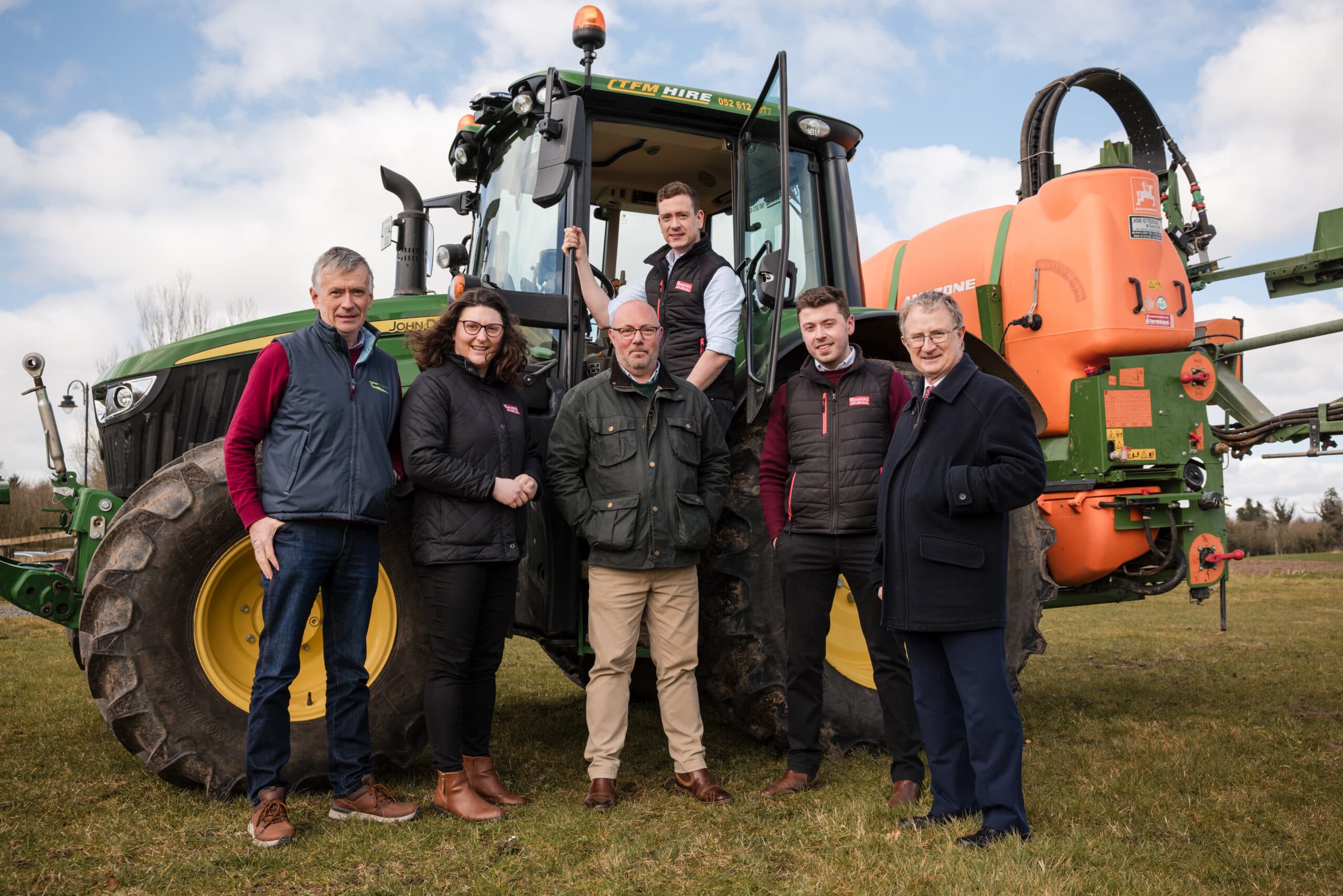
Teagasc's upcoming Crops and Technology Open Day signals a push for digital farming. But are these tech solutions masking deeper systemic issues in Irish agriculture?
Key Takeaways
- •The push for 'smart farming' centralizes data control with agri-tech corporations, not farmers.
- •Over-reliance on proprietary technology increases financial risk and debt for smaller farms.
- •The focus on efficiency may undermine long-term ecological resilience and local food security.
- •The next major conflict in agriculture will be over data ownership and sovereignty.
The Illusion of Progress at the Crops & Technology Open Day
Another open day, another showcase of shiny new agricultural technology. Teagasc is inviting farmers to witness the future this June, promising optimization, efficiency, and the salvation of the sector through data analytics and precision machinery. But let’s cut through the marketing gloss. This relentless push for farm digitalization isn't just about better yields; it’s about who controls the data, and ultimately, who controls the food supply chain. The unspoken truth is that this technological pivot often benefits massive agri-tech conglomerates far more than the average struggling farmer.
When we talk about precision agriculture, we are really talking about standardization under the guise of customization. Every drone survey, every soil sensor reading, every automated spray application feeds a giant data ecosystem. Who owns that data? The platforms providing the software. Farmers are being asked to trade autonomy for efficiency, becoming highly specialized nodes in a global data network managed by multinational corporations.
The Contrarian View: Efficiency vs. Resilience
The narrative suggests that without immediate tech adoption, farms will fail. This is fear-mongering. While technology certainly offers powerful tools—and we won't ignore the genuine benefits in targeted input use—the focus is dangerously narrow. We are prioritizing short-term output metrics over long-term ecological resilience. What happens when the proprietary software glitches, or the subscription fee becomes prohibitive? Small and medium-sized farms, the backbone of local food security, become incredibly vulnerable.
The real crisis isn't a lack of data; it's a lack of economic leverage for the primary producer. Tech adoption demands capital investment that often pushes farmers deeper into debt, creating a dependency cycle. The real winners here are the consultants, the software developers, and the seed/chemical companies whose products are optimized for these new digital platforms. Look at the history of industrial agriculture; every major technological leap has resulted in consolidation and the marginalization of the small operator. This is merely the next, more sophisticated iteration of that trend.
What Happens Next? The Data Sovereignty Battle
The next five years will be defined by the battle for farm digitalization sovereignty. We predict a sharp bifurcation in the agricultural landscape. On one side, large industrial operations will fully integrate into the global tech ecosystem, achieving unprecedented scale but sacrificing local autonomy. On the other, a smaller, more resilient segment will aggressively pursue open-source solutions, local knowledge sharing, and low-tech, high-adaptability farming methods.
Governments and regulatory bodies, currently playing catch-up, will eventually be forced to intervene regarding data ownership, similar to GDPR regulations in the EU. If they fail to mandate true data portability and farmer ownership, the Irish agricultural sector risks becoming entirely outsourced to remote servers and corporate algorithms. The success of this tech showcase won't be measured by yield increases next year, but by whether farmers maintain control over their land and livelihood a decade from now. For authoritative context on data control, see the ongoing discussions around data governance in the European Union.
Frequently Asked Questions
What is the primary hidden risk of adopting precision agriculture technology?
The primary hidden risk is the surrender of operational data ownership to third-party software providers, creating vendor lock-in and dependency rather than true independence.
How does farm digitalization impact economic leverage for small farmers?
It often decreases economic leverage by requiring significant upfront capital investment and ongoing subscription fees, potentially leading to increased debt and consolidation pressures.
What is the core difference between efficiency and resilience in farming?
Efficiency focuses on maximizing output per unit input in the short term, often via standardization. Resilience focuses on the farm's ability to withstand shocks (climate, economic) through diversity and adaptive capacity.
Are there alternatives to proprietary farm management software?
Yes, there is a growing movement toward open-source agricultural tools and localized, knowledge-based farming systems that prioritize low-cost, adaptable technology.
Related News

The Packaging Lie: Why Your 'Smart' Food Container Won't Stop the Next Global Recall
The push for advanced food packaging technology is distracting from the real supply chain weak points. Is this innovation or deflection?

The Hidden Cost of Croom Medical's $100M Bet: Is Ireland Outsourcing Its Future?
The Croom Medical ACOT expansion signals massive medical device manufacturing growth, but what does this mean for Irish tech talent migration?

The Silent Coup: Why Tech Policy Meetings Are a Sham and Who Actually Owns the Future
Forget diversity reports. The real fight over technology policy isn't about representation; it's about regulatory capture and who profits.
